

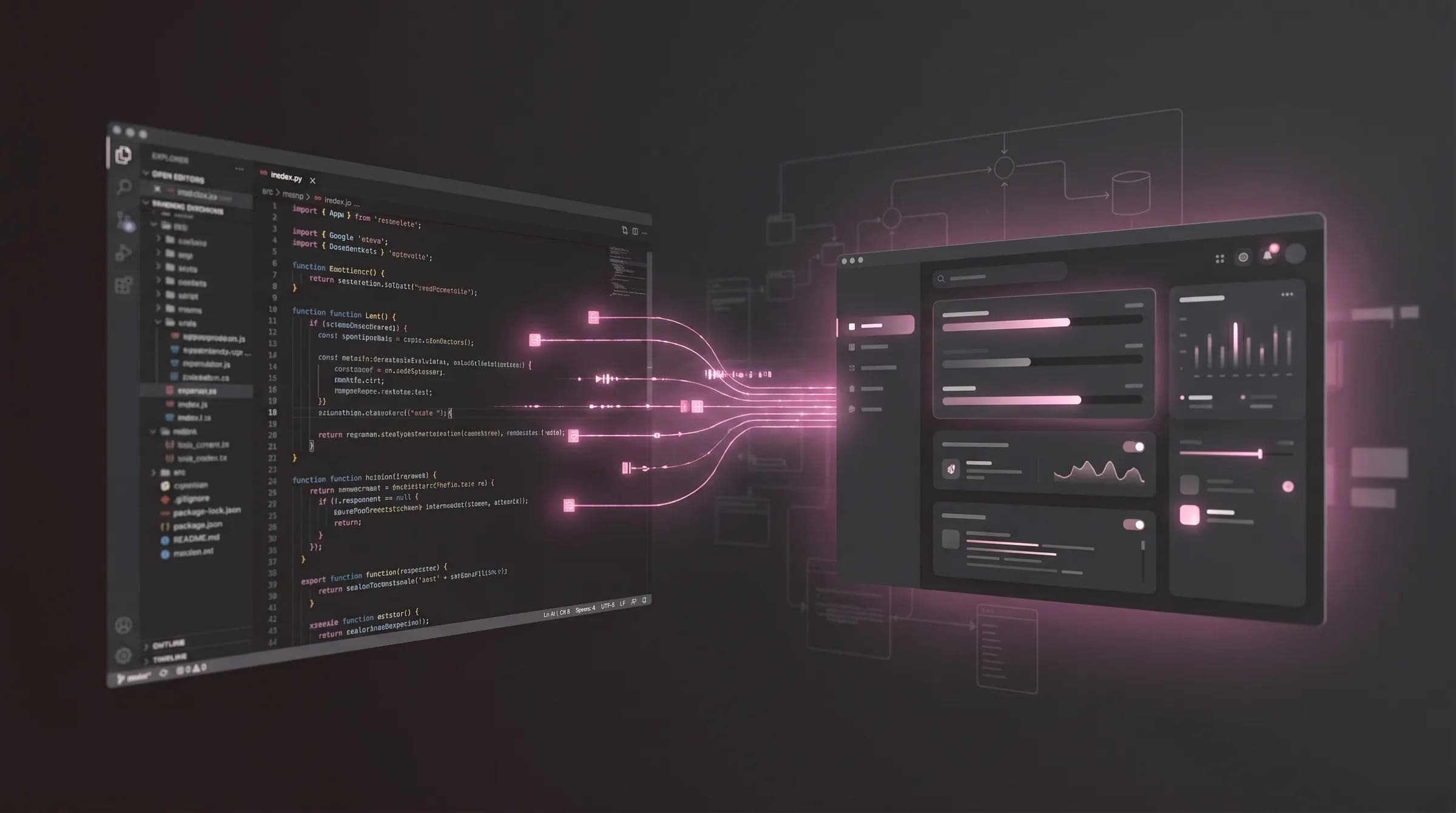











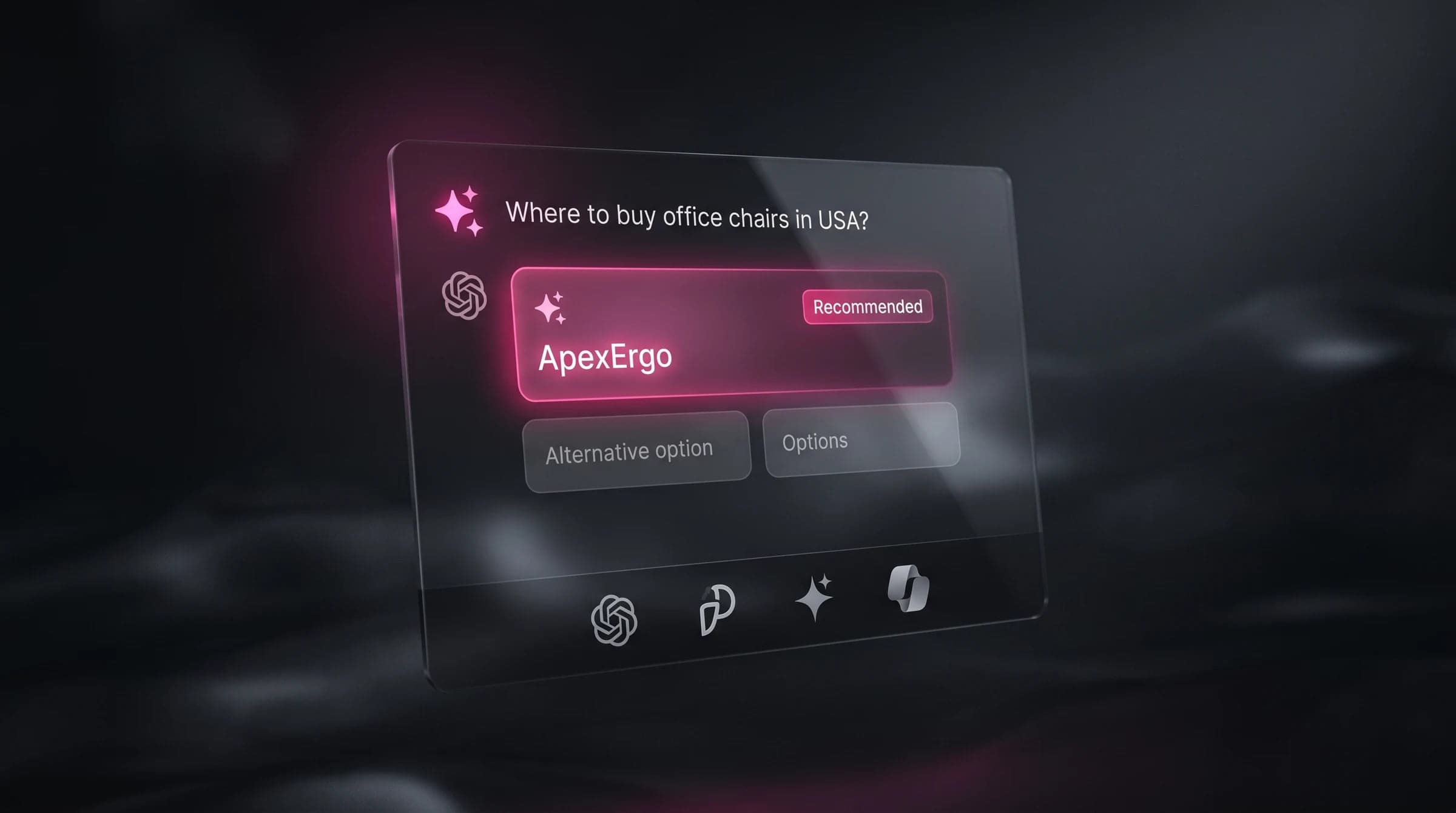
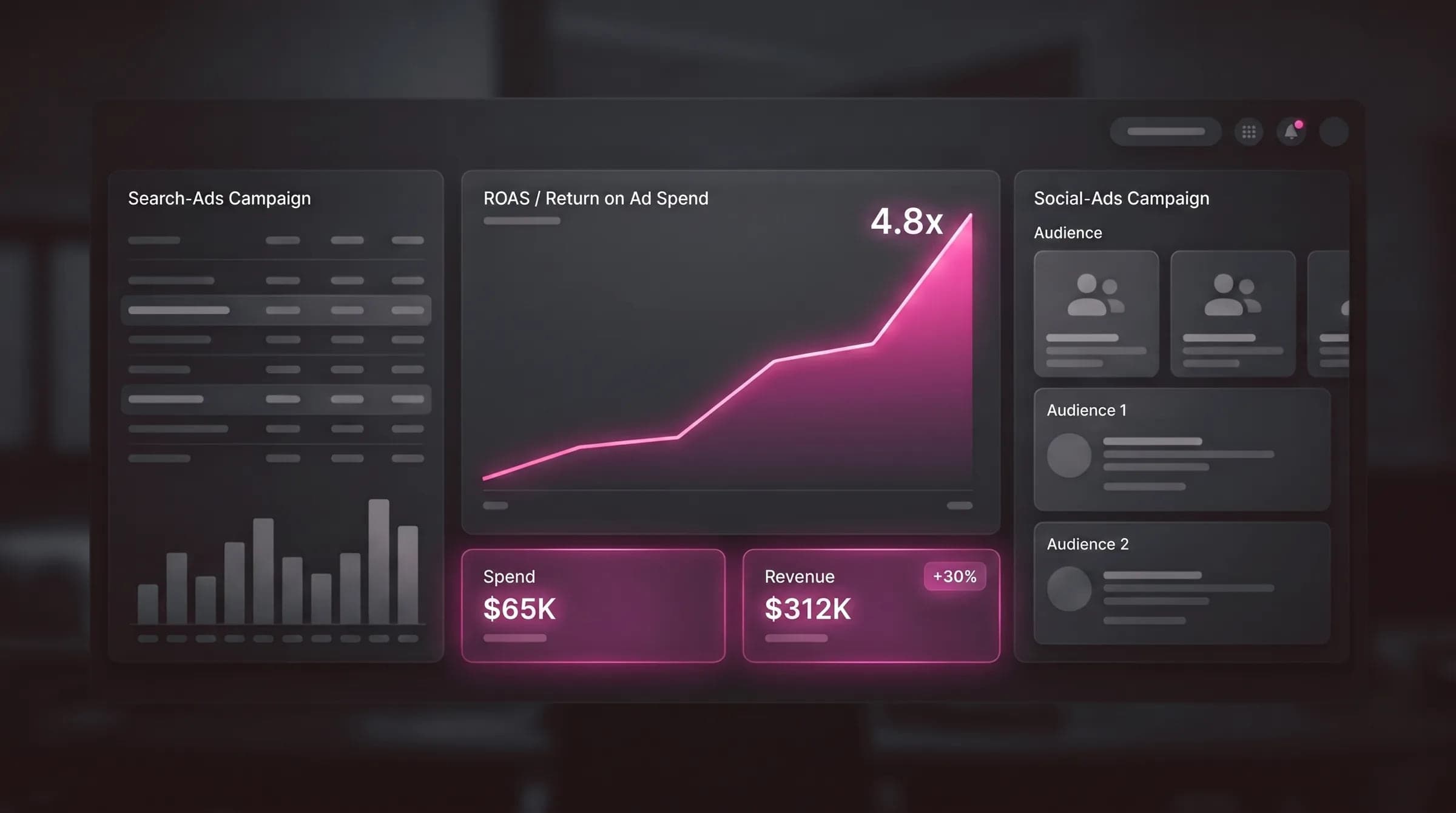






Custom software vs off-the-shelf is a fit-versus-speed decision: custom software is built specifically for your business and workflow — and you own it — while off-the-shelf is a ready-made product you adopt as-is today. Custom bends to your process; off-the-shelf asks your process to bend to it.
Most teams don't need one or the other for everything. The real question is which parts of your business deserve a tool shaped to them, and which are commodity work an existing product already solves.
What's the difference?
Custom software
- built to your exact workflow
- integrates with your systems
- code plus IP are yours
- higher up-front cost, no per-seat ceiling
- great when the process is your edge
Off-the-shelf software
- a packaged product sold to many companies
- fast to start, low entry price
- maintained by the vendor
- you adapt to it, and rent it forever
- great for commodity needs
Custom vs off-the-shelf: the comparison
The license fee is the number on the proposal. Total cost of ownership is what you actually pay once you add fit, lock-in, and the workarounds in between:
| Custom software | Off-the-shelf software | |
|---|---|---|
| Fit to your workflow | Exact — built for you | Approximate — you adapt to it |
| Time to first value | Weeks to months | Fastest — switch on today |
| Up-front cost | Higher | Lowest |
| Cost at scale | Flat — you own it | Per-seat fees compound |
| Code & IP ownership | Yours | Vendor's — you license it |
| Integrations | Built for your stack | Limited to what's supported |
| Vendor lock-in | None | High — switching is costly |
| Competitive advantage | Can be a differentiator | Same tool your rivals use |
The pattern: off-the-shelf wins the first invoice and the first week. Custom wins when fit, ownership, and scale matter more than speed-to-start — which, for a core workflow, is most of the time.
Custom software vs SaaS
People often frame this as "custom software vs SaaS," and it's the same trade-off under a different name. SaaS is just off-the-shelf software delivered by subscription — fast to switch on, maintained for you, but rented and shaped to the average buyer. Custom software solutions are built around your specific workflow and owned by you. The decision isn't custom or SaaS for the whole company; it's choosing custom software solutions for the workflows that are your edge and SaaS for everything commodity.
When off-the-shelf is the right call
Off-the-shelf isn't a compromise — it's the smart default for commodity work. If an industry-standard product already does the job (email, accounting, payroll, a mainstream CRM), buying it is faster, cheaper, and lower-risk than building. The more generic and well-solved the need, the stronger the case to buy. Don't build what you can adopt.
When custom software wins
Custom software earns its cost when the work is yours, not generic:
- The process is your edge. If how you operate is a differentiator, a packaged tool flattens it to match everyone else's.
- Nothing fits. When every option needs heavy workarounds, you're already paying for custom — just in duct tape and lost hours.
- Per-seat pricing punishes growth. Licensing that scales with headcount can quietly outgrow a one-time build.
- You need to own it. Owning the code and IP means no lock-in and no vendor deciding your roadmap.
This is exactly the work our custom software development service is built for — systems shaped to your workflow, with the code and IP yours, full stop.
What about the cost?
Off-the-shelf starts cheap and stays predictable per seat; custom carries a larger up-front build, then flattens. Over a three-to-five-year horizon — the honest way to compare — subscription fees, integration patches, and the productivity tax of a poor fit often push off-the-shelf past the cost of a custom system you own. Compare total cost of ownership, not the first bill.
How to decide
Run each major tool through three questions:
- Is this process generic or a differentiator? Generic → buy. Differentiator → lean custom.
- Does a real product fit without heavy workarounds? Yes → buy. No → the "savings" are an illusion.
- What's the 3-year cost — and who owns it? Add licenses, integrations, and fit; weigh that against a build you'd own outright.
A nearshore software development partner in Mexico — working US business hours from Monterrey — makes the custom path faster and leaner than most teams expect: senior engineers in your time zone, AI-accelerated delivery, and a usable first version in months, not years.
The bottom line
Buy off-the-shelf for commodity work where a proven product already fits. Build custom software when the process is your advantage, when nothing off-the-shelf fits without workarounds, or when ownership and scale matter more than speed-to-start. Most businesses end up with both — the skill is knowing which problems deserve which answer.