





Legacy System Modernization
Modernize without betting the business. We update legacy systems incrementally — assess, de-risk, and migrate in stages — so you cut maintenance cost, close security holes, and integrate with modern platforms. Senior nearshore engineers, AI-assisted, no big-bang.
- IncrementalNo big-bang risk
- AI-assistedLegacy code decoded
- 17Countries served
- 1,000+Projects delivered
Companies that believe in us











What is legacy system modernization?
Legacy system modernization is updating outdated software, platforms, and infrastructure — from mainframes and old codebases to unsupported applications — into modern, maintainable systems, so the business runs faster, integrates with anything, costs less to maintain, and stops depending on technology (and people) that are aging out.
- Modernize vs. rebuild from scratch?
- Rebuilding from scratch is slow, expensive, and risky — and you lose years of business logic baked into the old system. Modernization keeps what works and updates the rest incrementally. We rebuild only the parts that earn it.
- How do you integrate legacy with modern platforms?
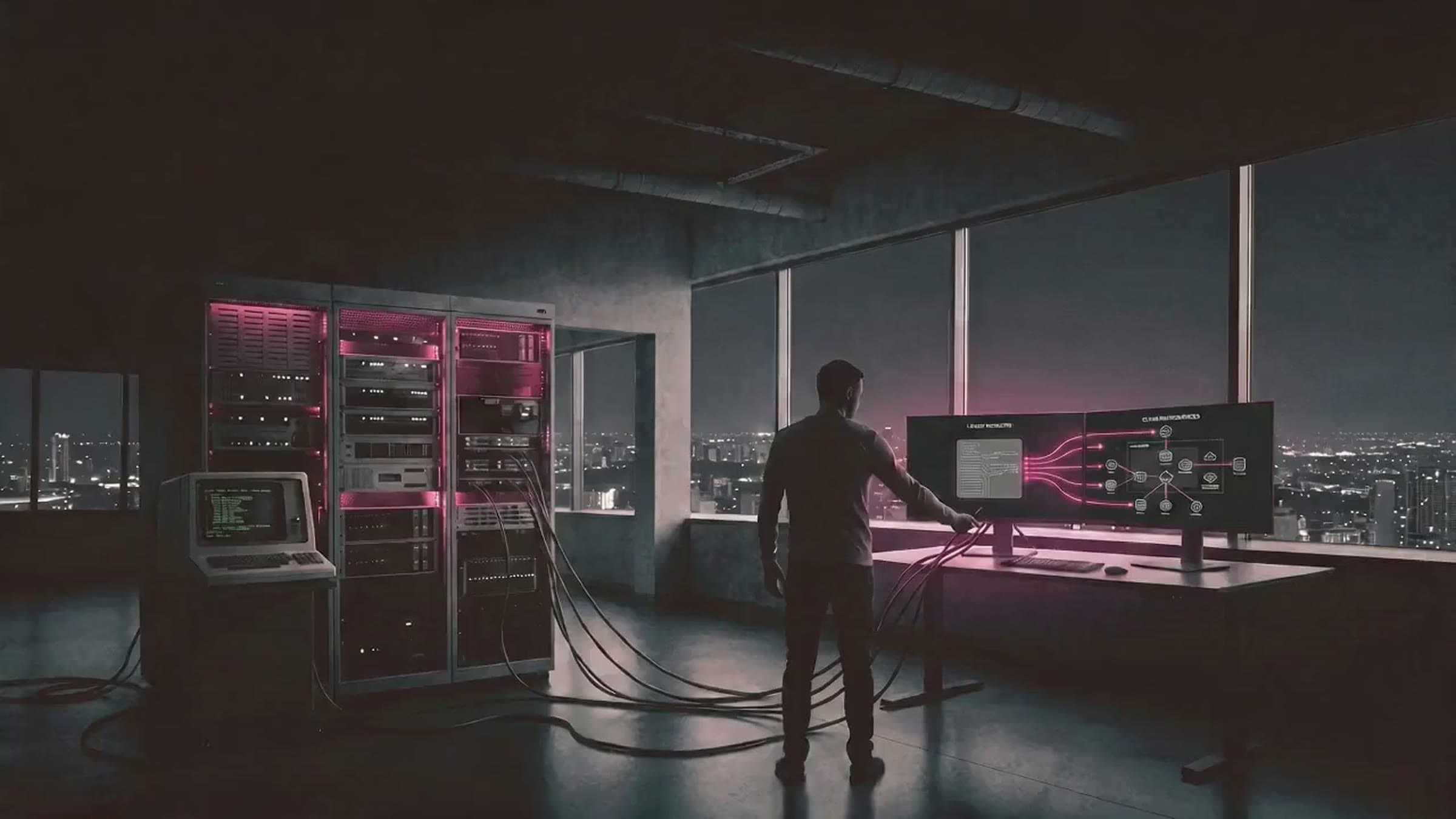
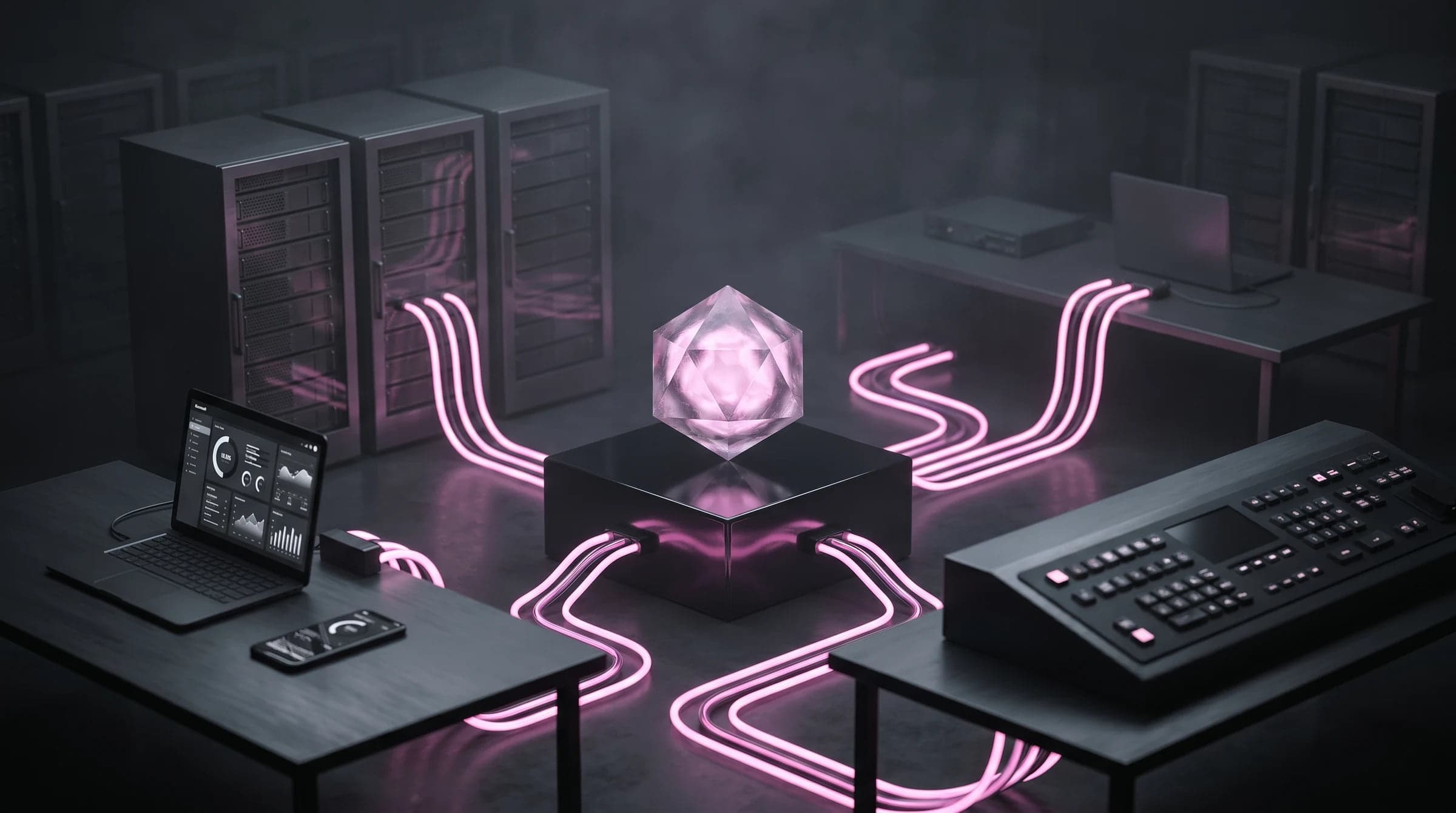
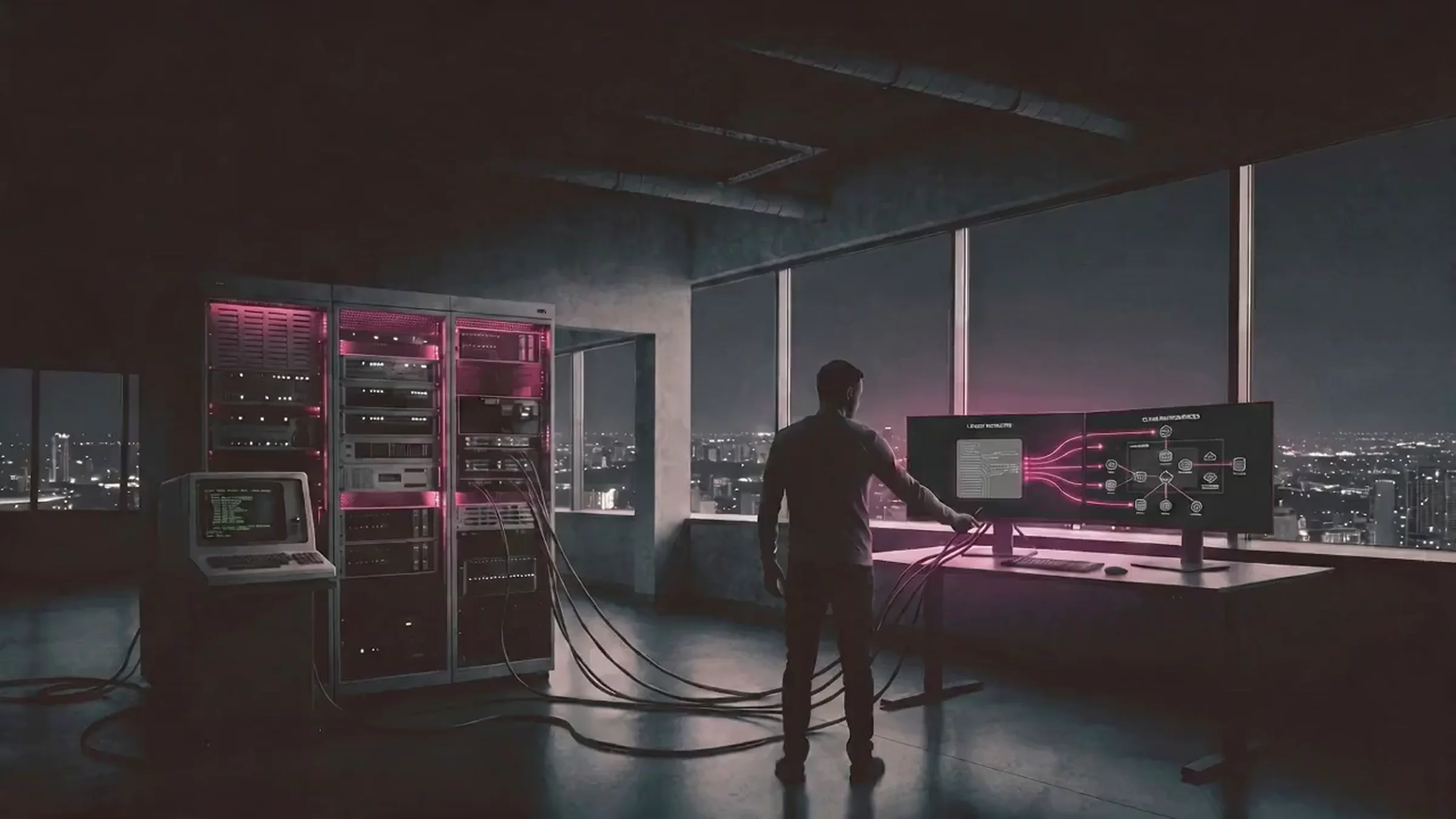
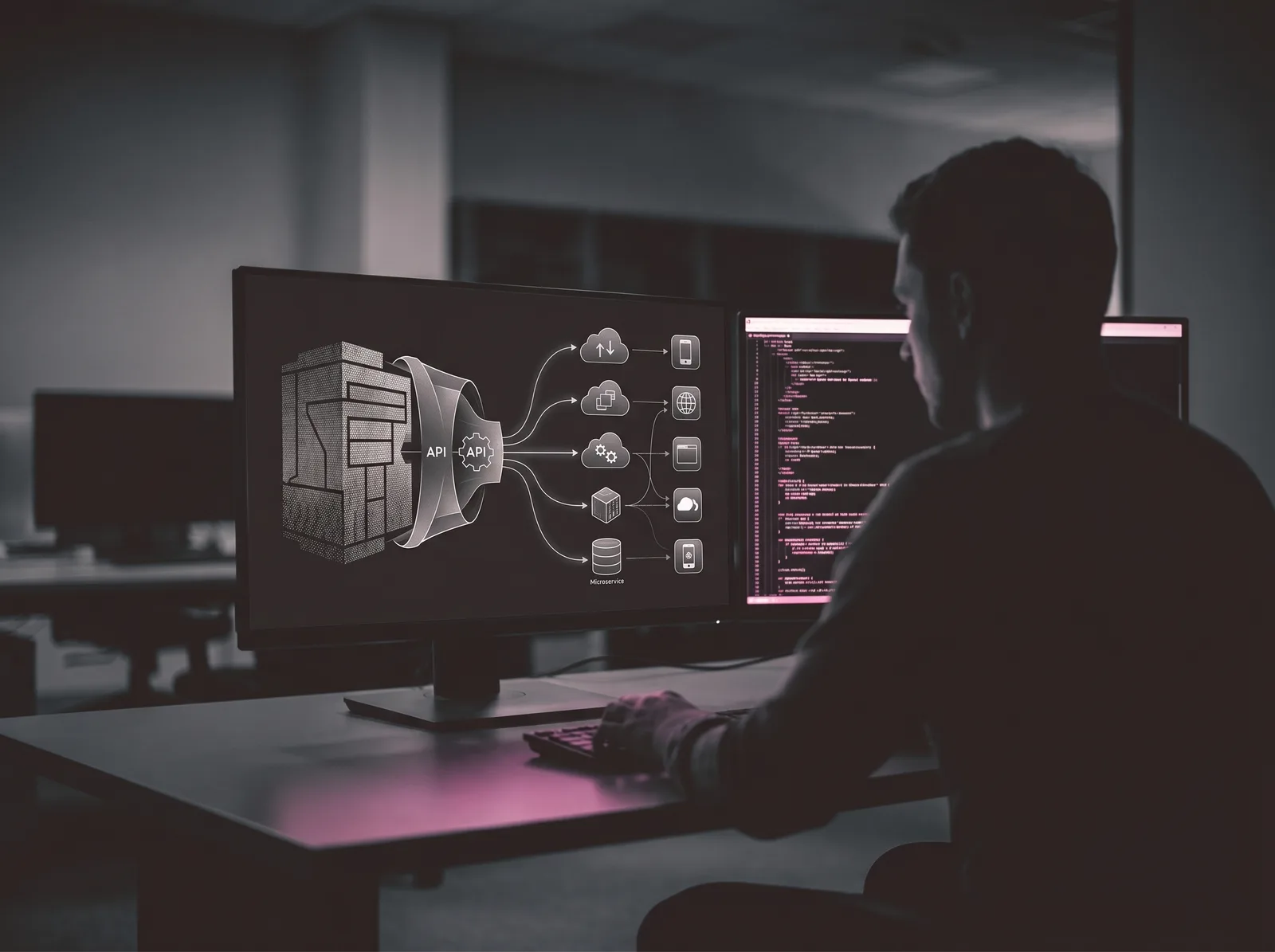
- We wrap the legacy system in APIs so modern apps, cloud, and AI can talk to it — then modernize behind that boundary, piece by piece. The business keeps running while the old system retires gradually.
Key takeaways
Modernize without betting the business — incremental and staged, with the business running throughout.
Keep what works — preserve years of business logic; rebuild only the parts that earn it.
Integrate legacy with modern — APIs let cloud, apps, and AI talk to the old system today.
AI-assisted — AI reads and documents legacy code, so modernization moves faster.
From $50 USD/hour, senior nearshore engineers fluent in old stacks and new.
Why modernize
Staying on legacy isn't saving money — it's deferring risk.
The cost of legacy
Can't hire — the engineers who know COBOL, old frameworks, and the codebase are retiring.
Security holes — unsupported software stops getting patches; it's an open door.
Can't integrate — modern apps, cloud, and AI can't talk to a closed legacy system.
Rising cost — maintenance, licenses, and specialized contractors only get pricier.
Slows the business — every change takes months while competitors move faster.
Downtime risk — aging systems fail, and there's no one left who can fix them.
How WeEvolveIT de-risks it
Incremental, not big-bang — we modernize in stages with the business running throughout.
Assess first — a fixed-scope assessment maps dependencies and risks before any change.
Wrap, then replace — APIs around the legacy let us modernize behind a stable boundary.
Keep the business logic — we preserve what works; rebuild only what earns it.
AI-assisted — AI helps read, document, and translate legacy code faster.
Validated rollback — every stage ships with a way back, so nothing breaks for good.
What we offer
Assess, modernize, integrate — without the rip-and-replace.
Legacy assessment
Map the system, its dependencies, and the risks — a fixed-scope assessment that becomes a costed modernization strategy and roadmap.
Modernization & rebuild
Application modernization done right: rehost, replatform, refactor, or rebuild each component the way that fits — incrementally, never big-bang.
Integration & APIs
Wrap legacy in APIs so modern apps, cloud, and AI connect — and the old system retires gradually.
Cloud migration & support
Move modernized workloads to the cloud, and keep them running with ongoing support and optimization.
Modernization approaches
Every component moves the way that fits it.
- Lift-and-shift
Rehost
Move the system as-is onto modern infrastructure. Quickest relief — buys time and cuts datacenter cost without code changes.
Fastest - Most commonUpdate in place
Replatform / Refactor
Update what matters — frameworks, databases, APIs — keeping the business logic. Real gains without a rewrite. Where most systems belong.
Balanced - Re-architect
Rebuild
Rebuild cloud-native the components that earn it — maximum flexibility and the lowest run cost, for the workloads worth the investment.
Highest payoff
How we modernize
From legacy to modern — without the big-bang.
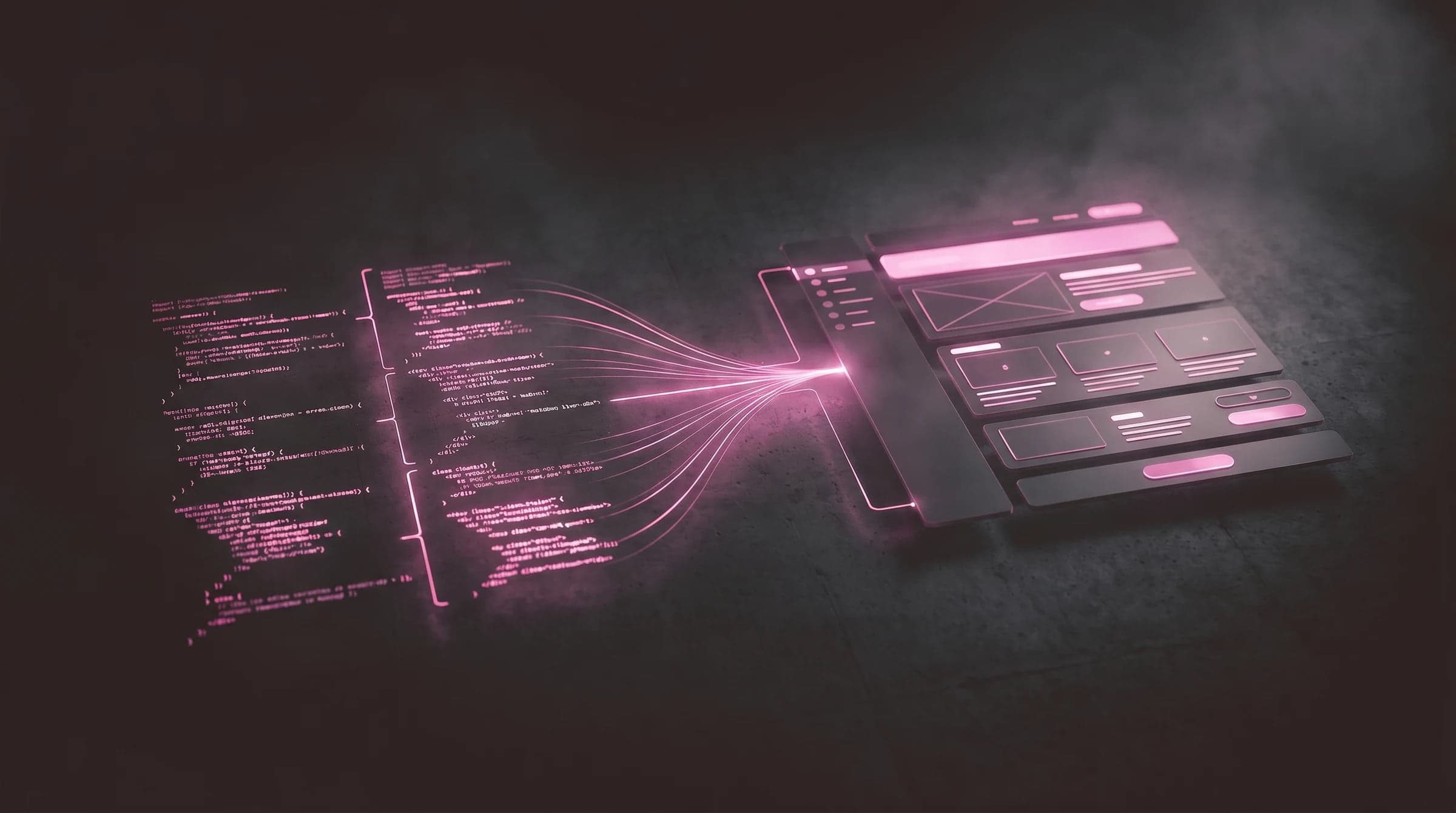
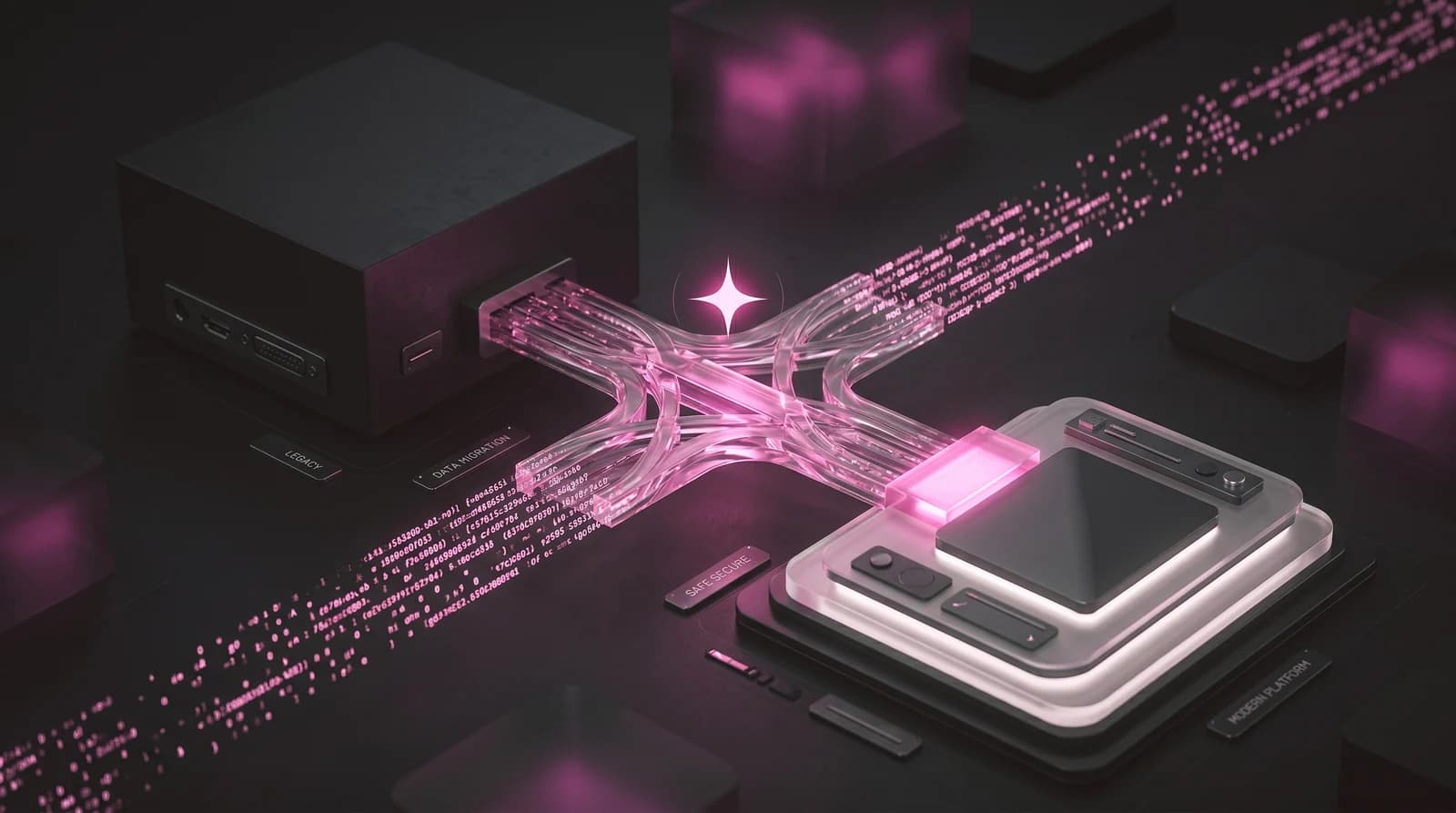
We don't rip and replace. We assess the legacy system, choose the right approach (the 7 R's), modernize piece by piece, integrate old and new while data migrates safely, then retire the legacy and keep the new system current.
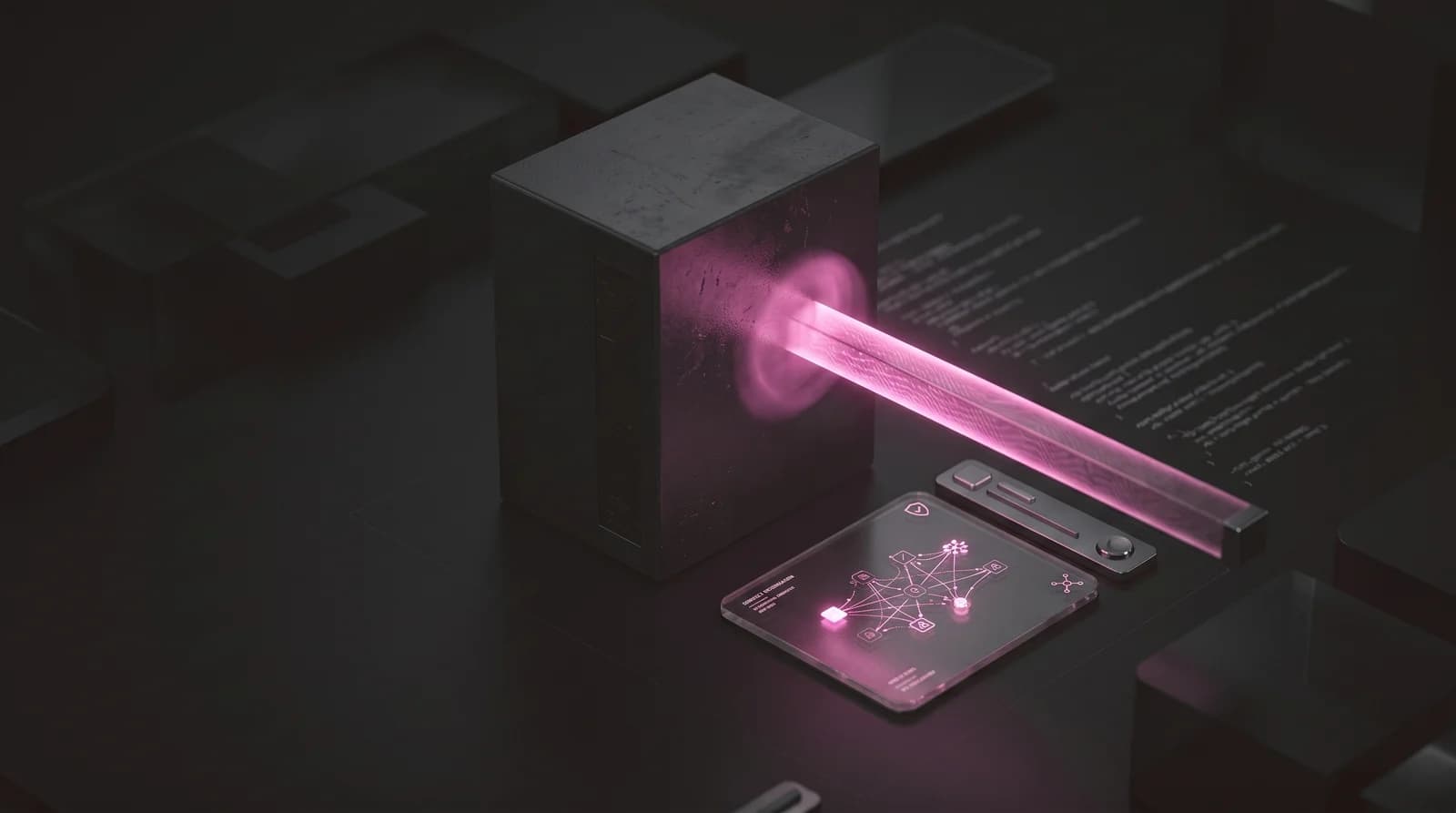


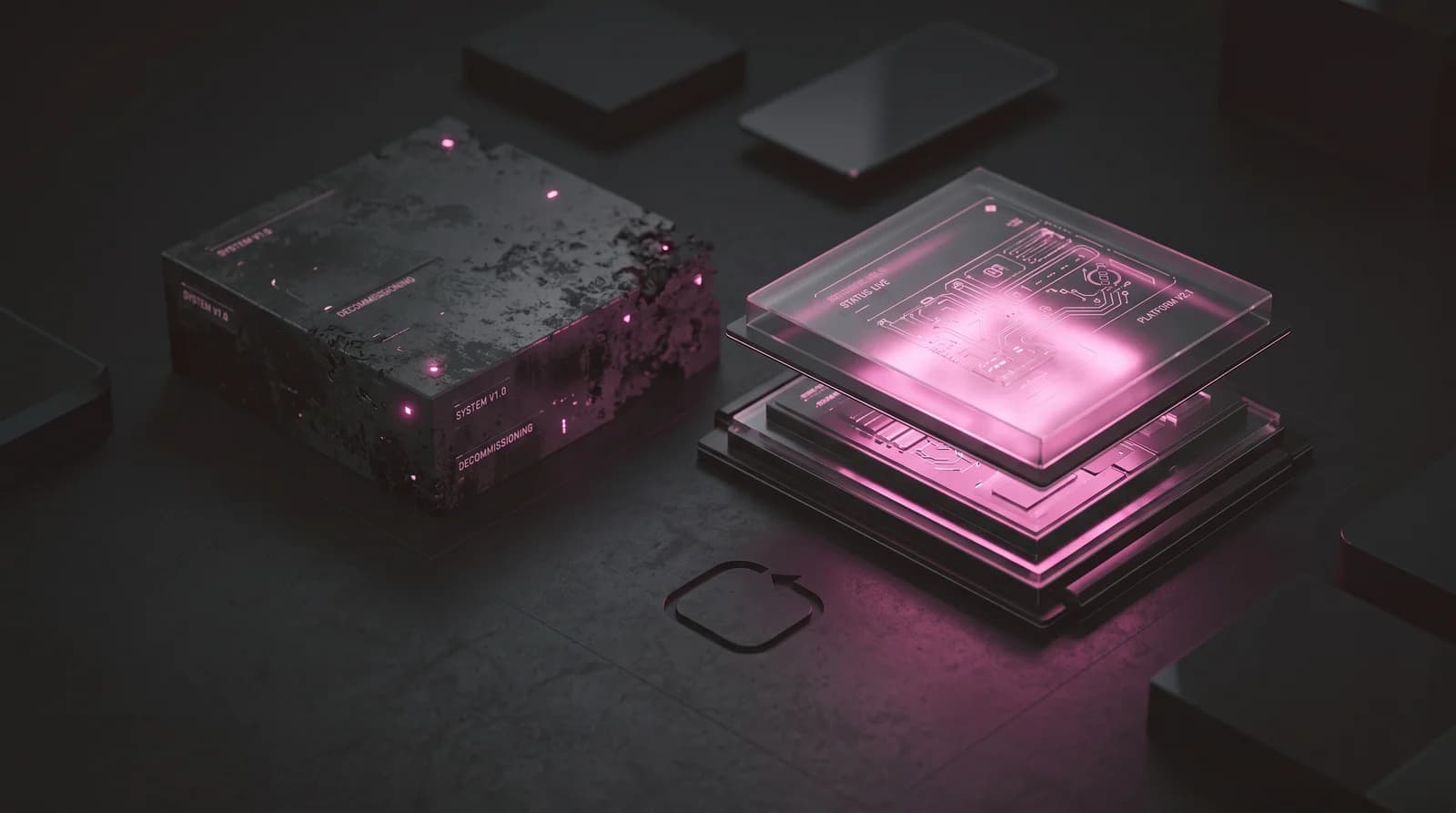
We audit the legacy system, the risks, and the dependencies.
The modern stack we modernize onto
Proven, current, and built to last.


Why WeEvolveIT
Modernize the old system without breaking the running one.
The risk in modernization isn't the new tech — it's breaking what the business runs on today. We de-risk it: assess first, wrap the legacy in APIs, and modernize in stages with rollback at every step. We keep the business logic that works, rebuild only what earns it, and use AI to decode old code faster — all with senior nearshore engineers fluent in both worlds.
De-risked, incremental
We modernize in stages — the business never stops during the change.
Keep what works
Preserve years of business logic; rebuild only the parts that earn it.
AI-assisted
AI reads and documents legacy code, so modernization moves faster.
Senior nearshore
Engineers fluent in both the old stacks and the new, in your time zone.
How it works · Our method
The WeEvolveIT five-phase method, applied to your modernization.
- 01
Discover
We map the legacy system, its dependencies, and the dollar cost of keeping it — a fixed-scope assessment that becomes a costed modernization roadmap.
- 02
Diagnose
We assess each component's risk and value, and decide what to retire, keep, update, or rebuild.
- 03
Design
We design the target architecture, the API boundaries, and the sequence — so the business keeps running through the change.
- 04
Deliver
We modernize in stages — wrap, update, migrate, and validate each piece against milestones, with rollback plans.
- 05
Evolve
Continuous improvement. We keep retiring legacy, adding capabilities, and modernizing as the business grows — so you never fall this far behind again.
Where we work
US-first, LATAM-rooted, globally proven
- United States — primary market, full time-zone overlap
- Mexico & LATAM — local presence (Monterrey HQ)
- Global — teams serving clients across 17 countries
Cost & engagement
Scoped to your system — from $50 USD an hour.
Modernization cost depends on the size and complexity of the system and how much you rebuild. Senior certified engineering starts at $50 USD/hour, and we scope a fixed-price assessment first, so you see the plan and the cost before any change. Doing nothing has a cost too — and it rises every year.
Cheaper than standing still · AI-accelerated
Legacy maintenance, licenses, and scarce specialists cost more every year. Modernization usually pays back in lower run cost and faster delivery — and AI decoding the old code makes the work faster still.
- Fixed scope · assessment
Modernization roadmap
A costed assessment and staged roadmap — the plan and the risks before any code changes.
- Per stage · milestones
Modernization project
We modernize in stages, priced and billed against delivered milestones.
- Per hour · from $50 USD
Hourly engineering
Senior engineers when you need them — integrations, fixes, or a focused modernization sprint.
FAQ
What teams ask before modernizing.
01What is legacy system modernization?
02What are the approaches to legacy modernization?
03Should we modernize or rebuild from scratch?
04How do you integrate legacy systems with modern platforms?
05How much does legacy modernization cost?
06How do you modernize without breaking the business?
Related services
Often paired with modernization
 View
ViewCustom Software Development
Rebuild the components that earn it as modern, bespoke software.
Software & Product View
ViewCloud Infrastructure & DevOps
Move modernized workloads to vendor-neutral cloud, automated and lean.
Data & Cloud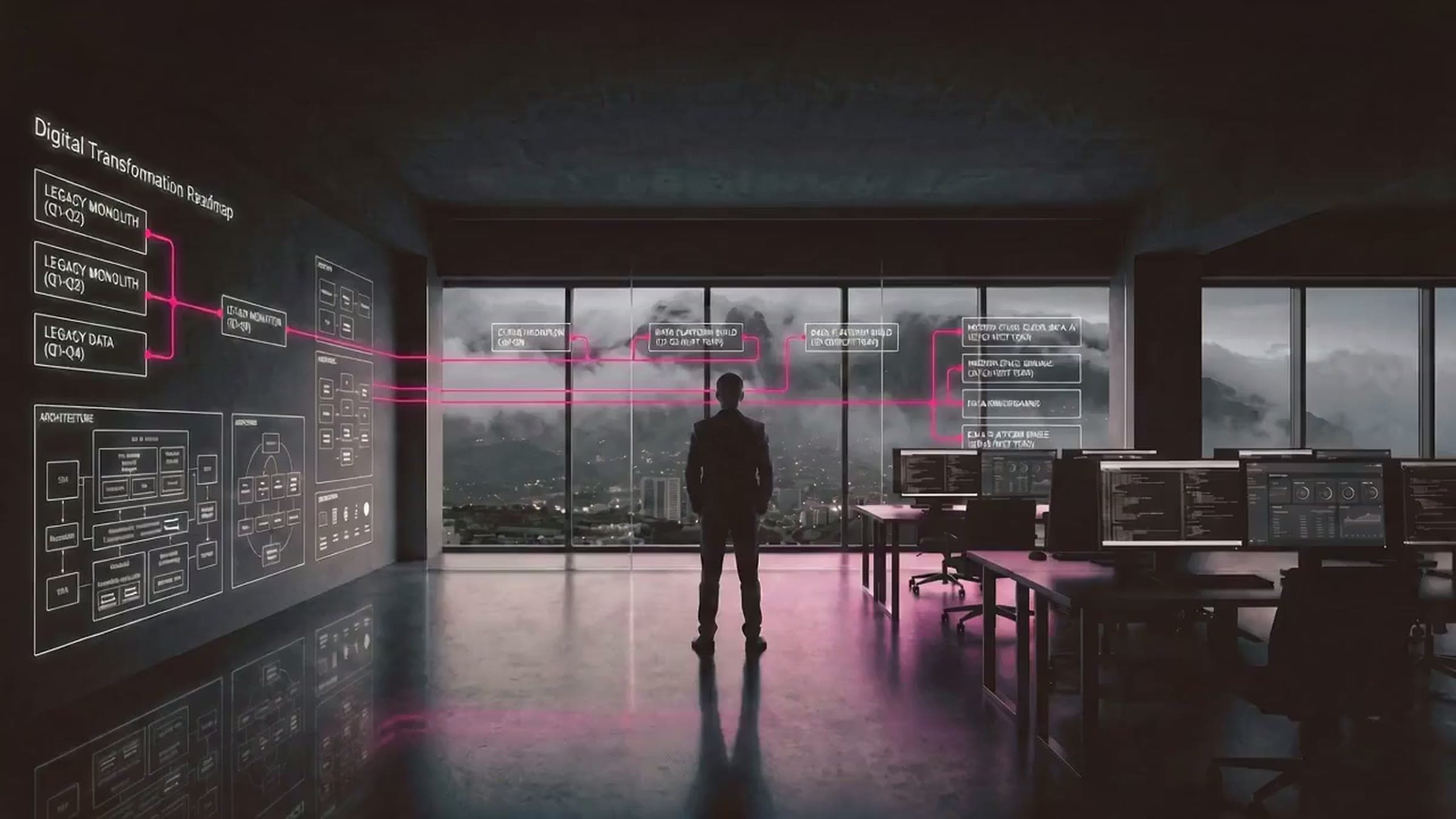 View
ViewDigital Transformation
Modernization as one move in a wider, costed transformation roadmap.
Enterprise
Learn more
From the blog
 Guide
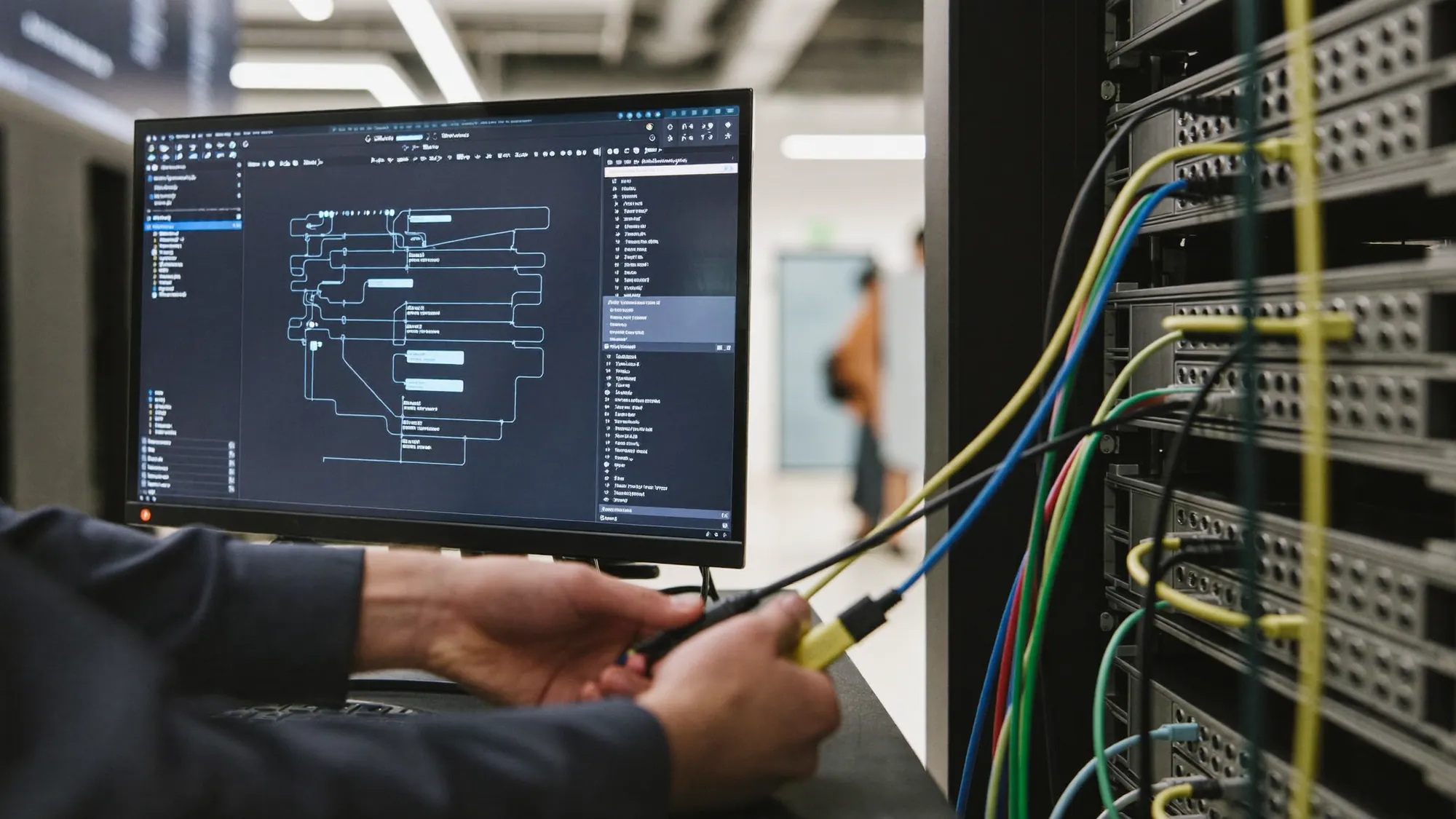
GuideHow to integrate legacy systems with modern platforms
How to integrate legacy with modern: wrap the old system in APIs, route through a stable boundary, and migrate behind it incrementally — so cloud, apps, and AI talk to your legacy system without a big-bang rewrite.
Jun 20266 min readRead Guide
GuideLegacy modernization approaches: the 7 Rs explained
The 7 Rs are the standard menu of legacy modernization approaches — retain, retire, rehost, replatform, refactor, rearchitect, and rebuild. Here's what each one means, what it costs in risk, and how to pick the right move for each legacy system.
Jun 20267 min readRead Guide
GuideLegacy modernization strategy: a step-by-step plan
A legacy modernization strategy is the staged plan for upgrading old systems without breaking the business. Here's the step-by-step approach — assess, prioritize, wrap, modernize, retire — plus how nearshore teams de-risk it.
Jun 20266 min readRead
Ready to modernize before the system forces your hand?
Tell us what you're running and where it hurts. We'll come back with an assessment, a staged roadmap, and a scoped cost — no big-bang, no betting the business.
Assess my system