

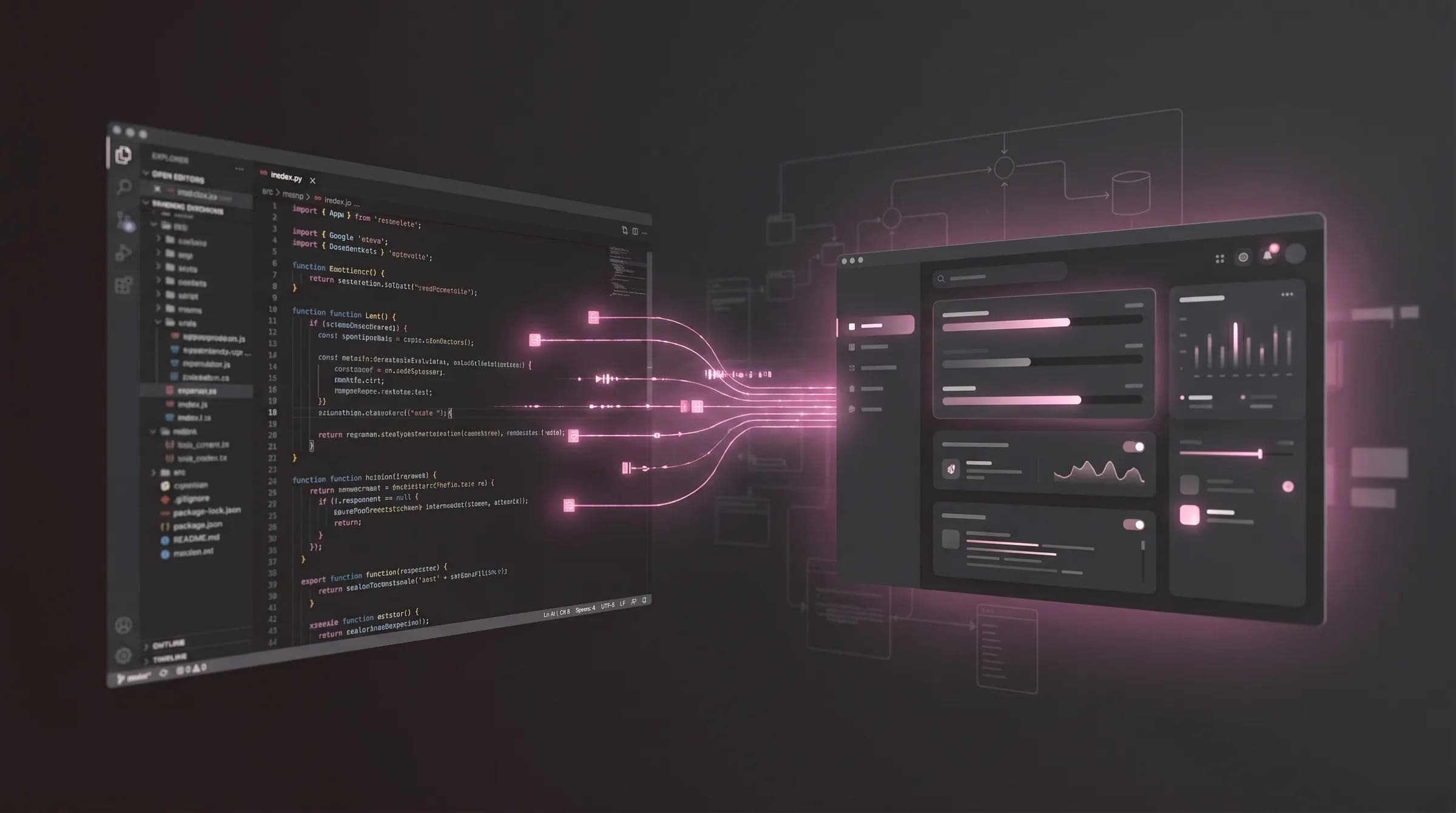

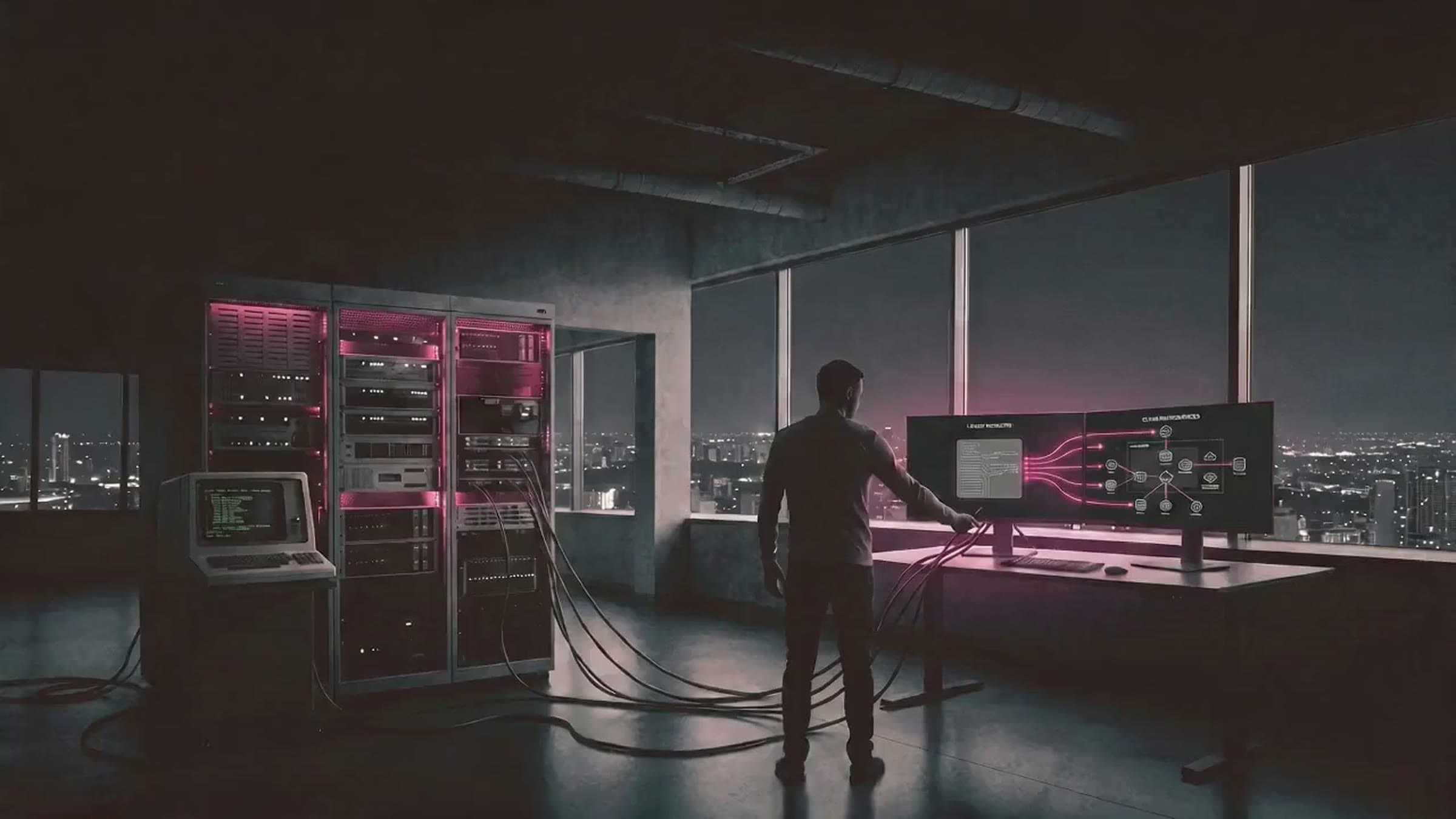



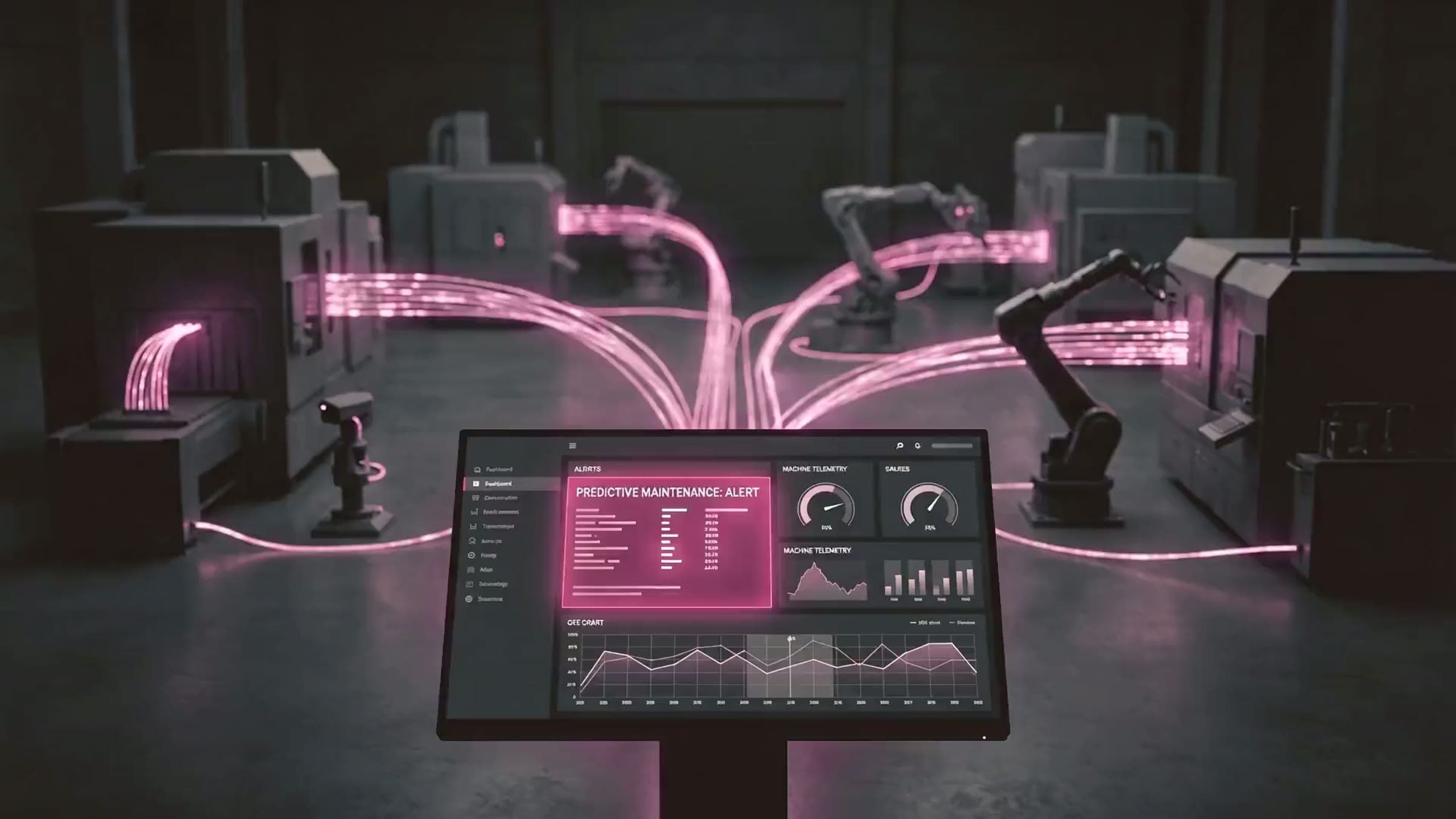

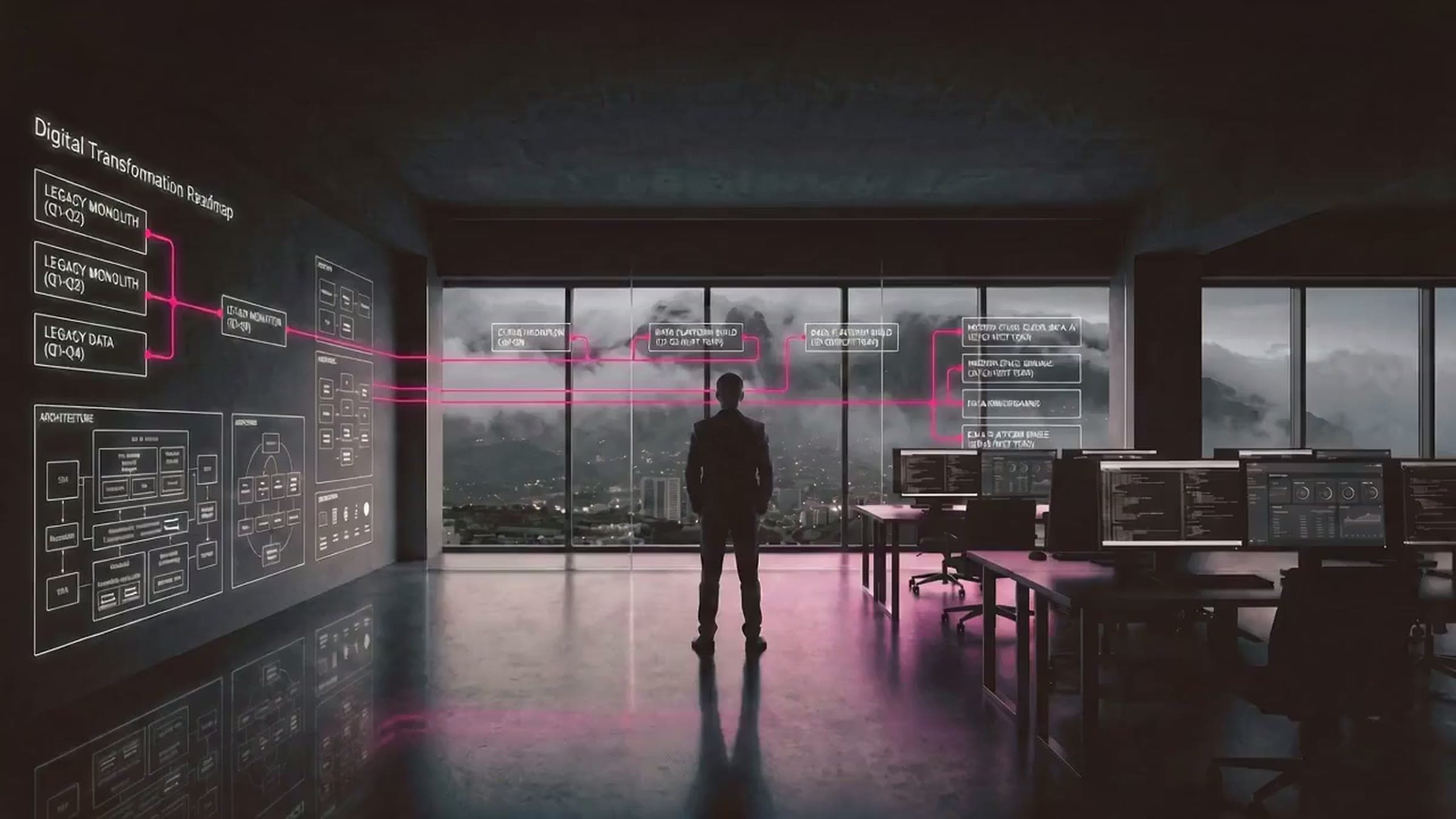






Integrating legacy systems with modern platforms means wrapping the old system in an API layer so cloud services, apps, and AI tools talk to a clean, stable contract — while the legacy system keeps running behind it. You connect today, then migrate behind that boundary incrementally, with no big-bang rewrite.
The mistake most teams make is treating it as a binary: keep the old system or rip it out. The real answer to how to integrate legacy with modern is a third path — put a modern boundary in front of the legacy system, then change what's behind it on your own schedule.
How to integrate legacy systems with modern platforms
The short version of how to integrate legacy systems with modern platforms: put a clean API contract in front of the old system, route every modern consumer through it, and migrate the internals behind that boundary at your own pace. That single move is what lets you integrate legacy systems with modern platforms — cloud services, mobile apps, AI agents — without a risky rewrite. The rest of this guide walks the playbook step by step, then compares the integration patterns you'll choose between.
What "integrate legacy with modern" actually means
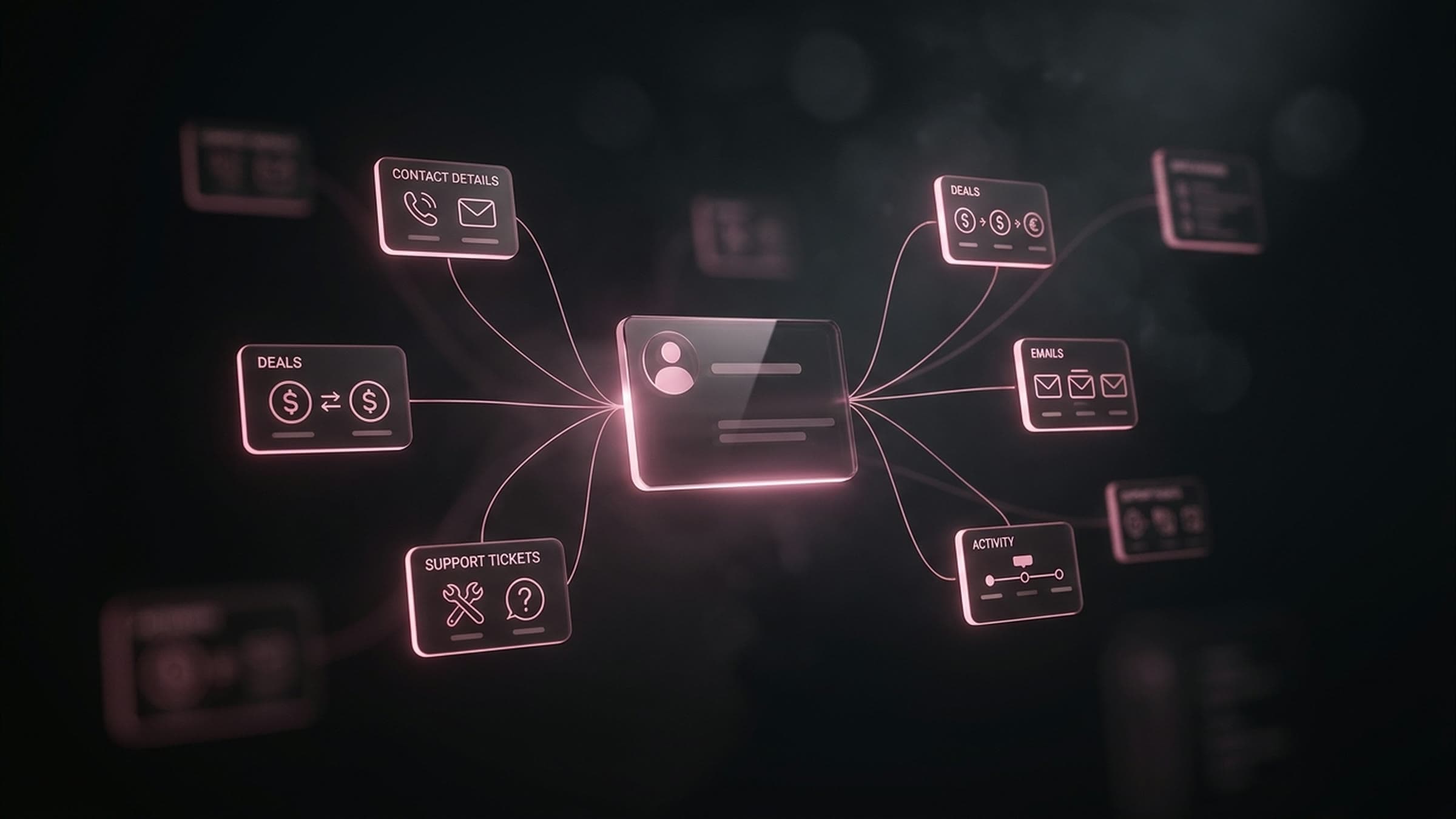
Your legacy system still holds the business logic, the data, and the customers. The goal isn't to replace it overnight — it's to let modern platforms use it without inheriting its constraints. You do that by introducing a stable interface (an API) between the old and the new, so neither side has to know the other's internals.
Once that boundary exists, a React app, a cloud function, or an AI agent can read and write to the legacy system through clean endpoints — and you can swap out the legacy internals later without breaking a single consumer.
The integration playbook (step by step)
- Assess and document — map the legacy system's data, interfaces, and buried business rules; AI tools can read and document old code far faster than a human.
- Define the API contract — design the clean REST or GraphQL interface you wish the legacy system had; it outlives the legacy internals.
- Build the wrapper — implement an adapter that translates clean API calls into SOAP, flat files, mainframe transactions, or a direct DB read.
- Route through a façade — put a gateway in front so traffic flows through the boundary, not straight to the legacy system. This is the seam you migrate behind.
- Migrate incrementally (strangler fig) — replace one capability at a time behind the façade; retire the old system only when nothing depends on it.
- Validate and roll out safely — use feature flags and canary releases so a small share of traffic hits the new path first, with the legacy system still the source of truth.
Integration patterns compared
Different situations call for different boundaries. Here's how the common patterns line up:
| Pattern | What it does | Best when | Risk |
|---|---|---|---|
| API wrapper / façade | Clean REST/GraphQL contract over the old system | You need cloud/apps/AI to use legacy data now | Low |
| Strangler fig | Replace capabilities one at a time behind a façade | You're modernizing a large monolith gradually | Low |
| Event streaming / CDC | Stream legacy data changes to modern systems | Data needs to flow to analytics or AI in near real time | Medium |
| Middleware / ESB | A bus brokers messages between old and new | Many systems must interoperate at once | Medium–high |
| Big-bang rewrite | Rebuild and cut over all at once | Almost never — only tiny, isolated systems | High |
The first two rows are where most successful integrations live. The pattern to avoid is the bottom row: a big-bang rewrite bets the business on a single cutover, and that's exactly the risk incremental integration removes.
The API wrapping and façade work in rows one and two is usually built on an integration platform like MuleSoft, Apigee, or Azure API Management — covered in our legacy modernization tools (2026) roundup, sorted by the job each tool does.
Integrate or replace? Integrate first
Replacing a legacy system from scratch is the most expensive, riskiest option on the table — and it throws away years of hard-won business logic. Integration is almost always the better opening move: wrap the system, connect modern platforms, and only then decide which components earn a rebuild. Replace selectively, behind the API boundary you already have, so the business keeps running the whole time.
This "keep what works, modernize behind a stable boundary" approach is the core of WeEvolveIT's legacy system modernization service — assess, wrap in APIs, then migrate stage by stage with rollback.
How to do it without breaking the business
The point of the API boundary and the strangler fig pattern is risk control. The legacy system stays live and authoritative while the modern layer grows beside it. Traffic shifts gradually, every step is reversible, and a failed canary routes back to the old path automatically. You're never one deploy away from an outage — which is the whole reason to integrate incrementally instead of rewriting.
Legacy integration also demands a rare skill mix: engineers who read COBOL or old frameworks and ship clean cloud APIs. A senior nearshore team in Monterrey, Mexico — fluent in both stacks and working US business hours — can resolve the undocumented edge cases in real time, where an offshore vendor in India or Dubai on a 12-hour delay turns each one into a lost day. On a flat-fee engagement you also own the APIs and accounts we build, so the integration boundary is yours, not the vendor's.
The bottom line
To integrate legacy with modern, don't choose between the old system and the new platform — put an API boundary between them. Wrap the legacy system, route through a façade, and migrate behind it one capability at a time. You get cloud, apps, and AI talking to your legacy data this quarter, and a path to retire the old system on your terms, without ever betting the business on a single cutover.