





















How long does SEO take to work? For most US businesses, expect 3-6 months for early movement and 6-12 months for meaningful traffic and rankings. SEO is a compounding investment, not an instant switch — search engines need time to crawl, trust, and rank your pages, and results accelerate the longer you stay consistent.
That timeline frustrates teams used to paid ads, where traffic shows up the day you launch. But the trade-off is the whole point: SEO is slow to start and hard to stop. Once it works, it keeps working long after the spend tapers off.
The realistic SEO timeline
SEO doesn't flip on — it ramps. Here's roughly how a healthy campaign unfolds for a US business:
- Foundation (Month 0-2) — technical fixes, indexing, content and keyword groundwork.
- Early movement (Month 3-6) — long-tail keywords rank, impressions climb, first traffic.
- Traction (Month 6-12) — competitive keywords move, traffic compounds, leads arrive.
- Compounding (12 months+) — authority builds, results accelerate, cost-per-lead drops.
The honest answer to "how long does SEO take" is 6-12 months to a meaningful result for most businesses — sooner for local or low-competition work, later for new domains in crowded national markets.
What determines how long SEO takes
No two sites move at the same pace. Five factors drive the timeline more than anything else:
- Domain age and authority. An established site with existing backlinks ranks new pages far faster than a brand-new domain starting from zero.
- Competition. Ranking for "best CRM software" takes far longer than ranking for a niche or local term. The harder the keyword, the longer the wait.
- Content quality and velocity. Publishing genuinely useful pages consistently beats one big push and then silence.
- Technical health. Crawl errors, slow pages, and broken indexing put a ceiling on everything else — fix these first.
- Backlinks and signals. Authority from other sites accumulates over months; it can't be rushed without risking penalties.
Local SEO is usually faster
Targeting a specific city — Monterrey, Dallas, Houston — often pays off in 2-4 months rather than 6-12. Local rankings lean on a complete Google Business Profile, consistent citations, and reviews, which you can influence far faster than national domain authority. This is the quickest-moving corner of SEO for most small and mid-sized businesses.
How to tell SEO is working before the rankings land
Rankings are a lagging indicator. The momentum shows up earlier if you know where to look:
- More pages indexed in Google Search Console
- Rising impressions even before clicks climb
- Improved crawl coverage and fewer errors
- Rankings appearing for long-tail and question keywords
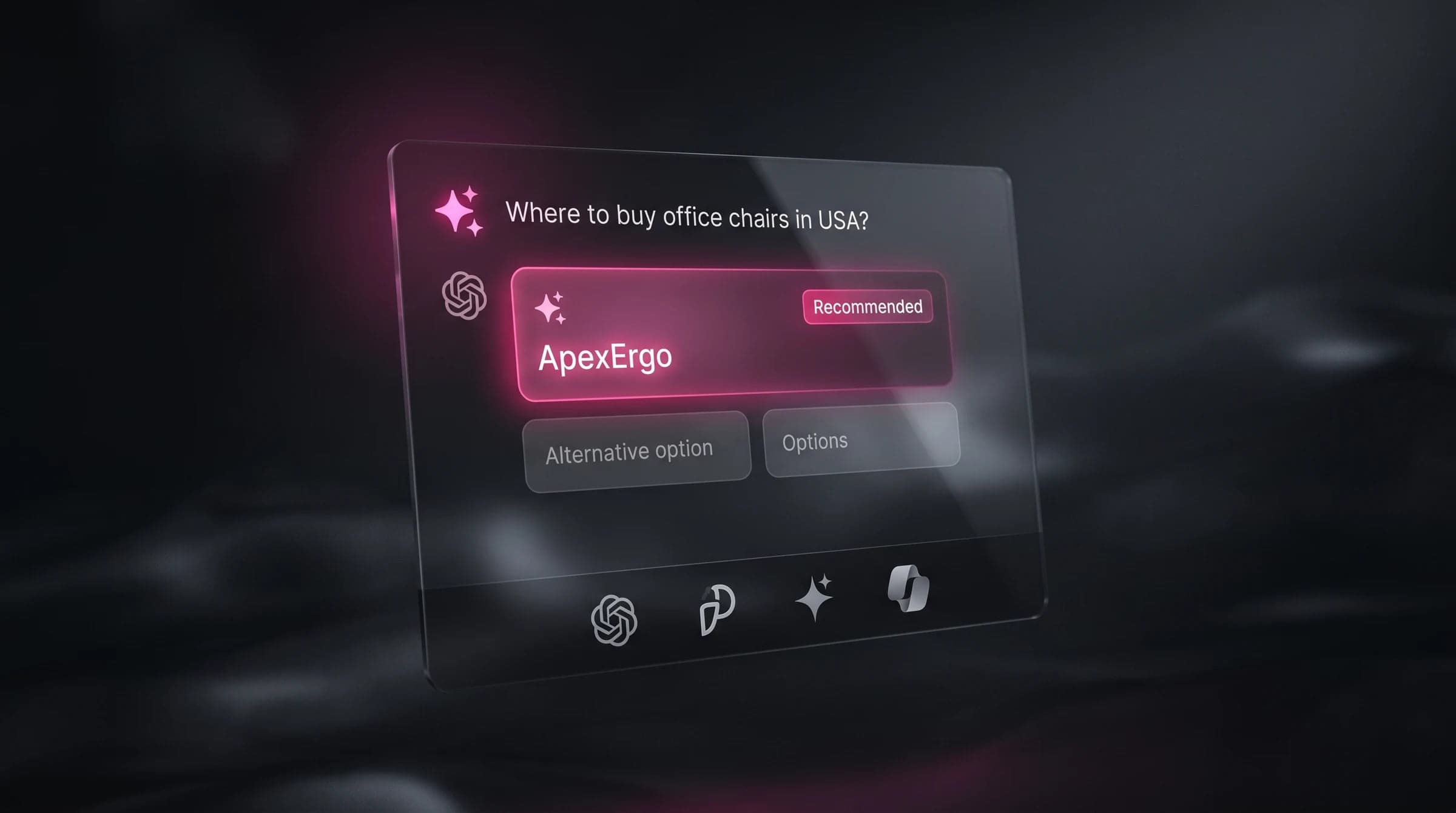
- Getting cited in AI answers from ChatGPT, Perplexity, or Google's AI overviews
That last signal matters more every quarter. Ranking #1 on Google isn't enough when AI engines answer the query and cite a handful of sources. Modern SEO work — the kind built into our SEO service, which pairs traditional SEO with GEO and AEO — optimizes for both the blue links and the AI citation. Those AI citations often appear before classic rankings fully mature, giving you an early proof that the strategy is working.
Why SEO can't (honestly) be rushed
Anyone promising #1 rankings in 30 days is selling snake oil. The big US agencies that pitch "guaranteed rankings" or "results in weeks" are either misleading you or quietly leaning on tactics that backfire. Search engines deliberately reward sustained authority over quick tricks, and the shortcuts that game them — bought links, thin AI spam, keyword stuffing — get sites penalized, costing you months of recovery. The fastest real path to results is the boring one: fix the technical foundation, publish content people actually want, earn legitimate links, and stay consistent.
There are honest quick wins. Optimizing pages already stuck on page two, fixing indexing problems, or sharpening local listings can move the needle in 4-8 weeks. But those accelerate a sound strategy — they don't replace it.
SEO vs paid ads: speed vs durability
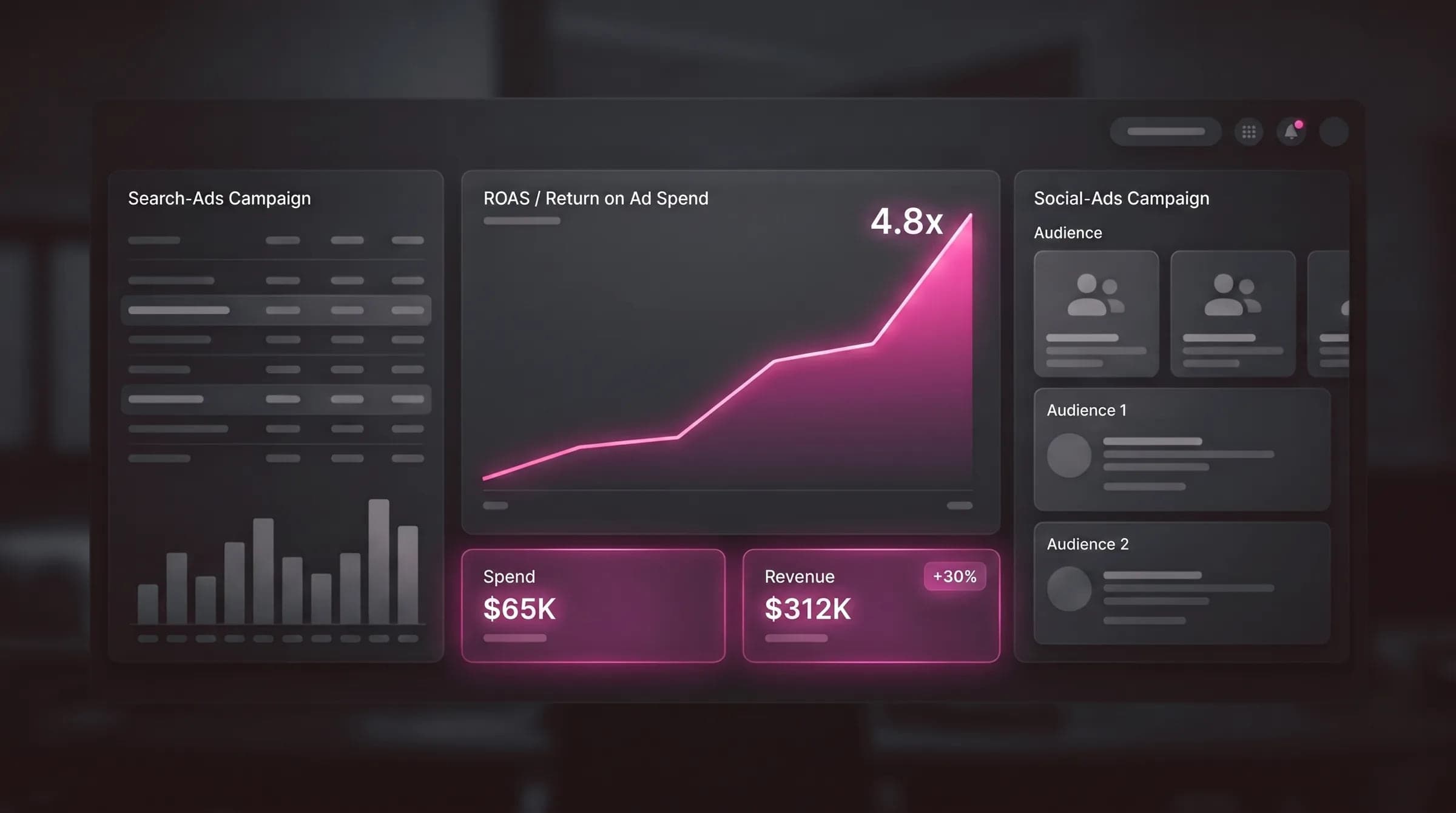
If you need leads this week, SEO is the wrong tool — run paid ads. SEO takes months; ads take minutes. The difference is what happens when you stop. Turn off ads and the traffic vanishes the same day. Slow down on SEO and the rankings you earned keep delivering traffic at a fraction of the cost. Most US businesses run both: ads for immediate pipeline, SEO for compounding, lower-cost growth.
The bottom line
How long does SEO take to work? Plan for 6-12 months to a meaningful result, with early signals at 3-6 months and local SEO often faster at 2-4 months. The exact pace depends on your domain authority, competition, and consistency. Watch the leading indicators — indexing, impressions, long-tail rankings, and AI citations — so you can see momentum building long before the traffic peaks. SEO is slow to start and hard to stop; the businesses that win treat it as a compounding asset, not a 30-day campaign.