






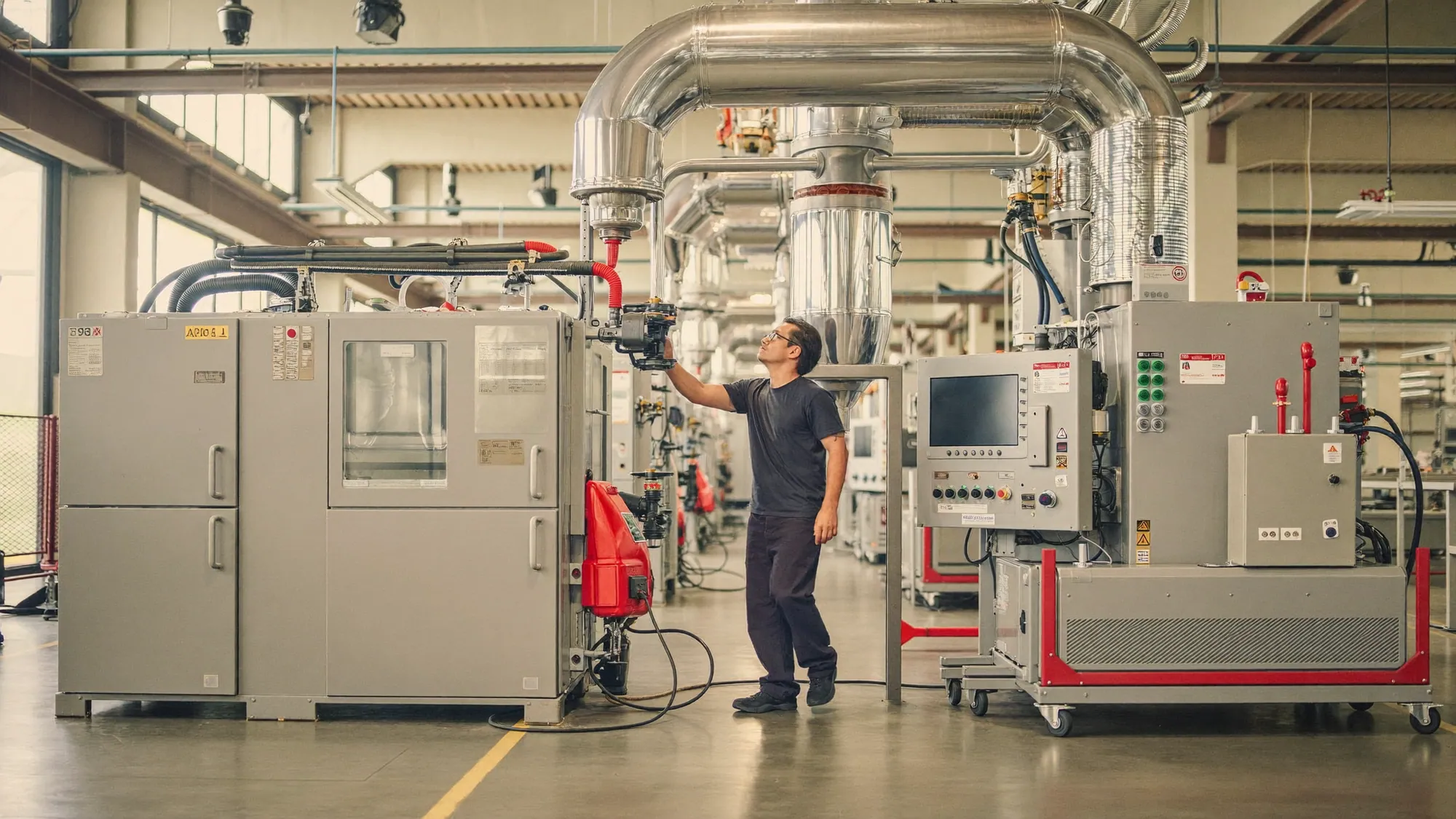
Industrial IoT applications are the specific ways a factory or plant connects its machines, sensors, and systems to software that monitors and predicts what happens next. The highest-value ones — predictive maintenance, smart-factory monitoring, OEE tracking, and asset tracking — turn raw signals into fewer breakdowns and more output.
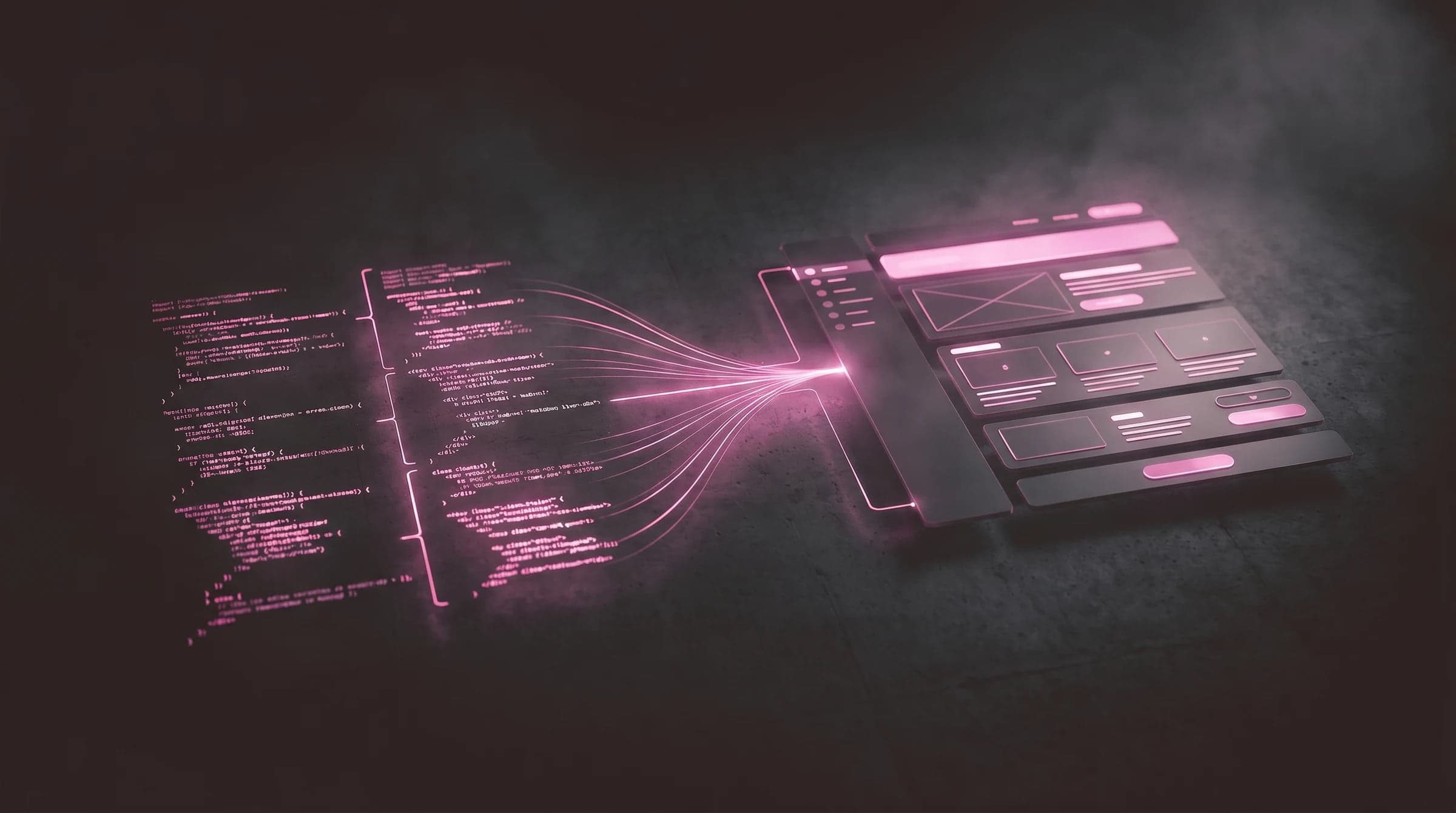
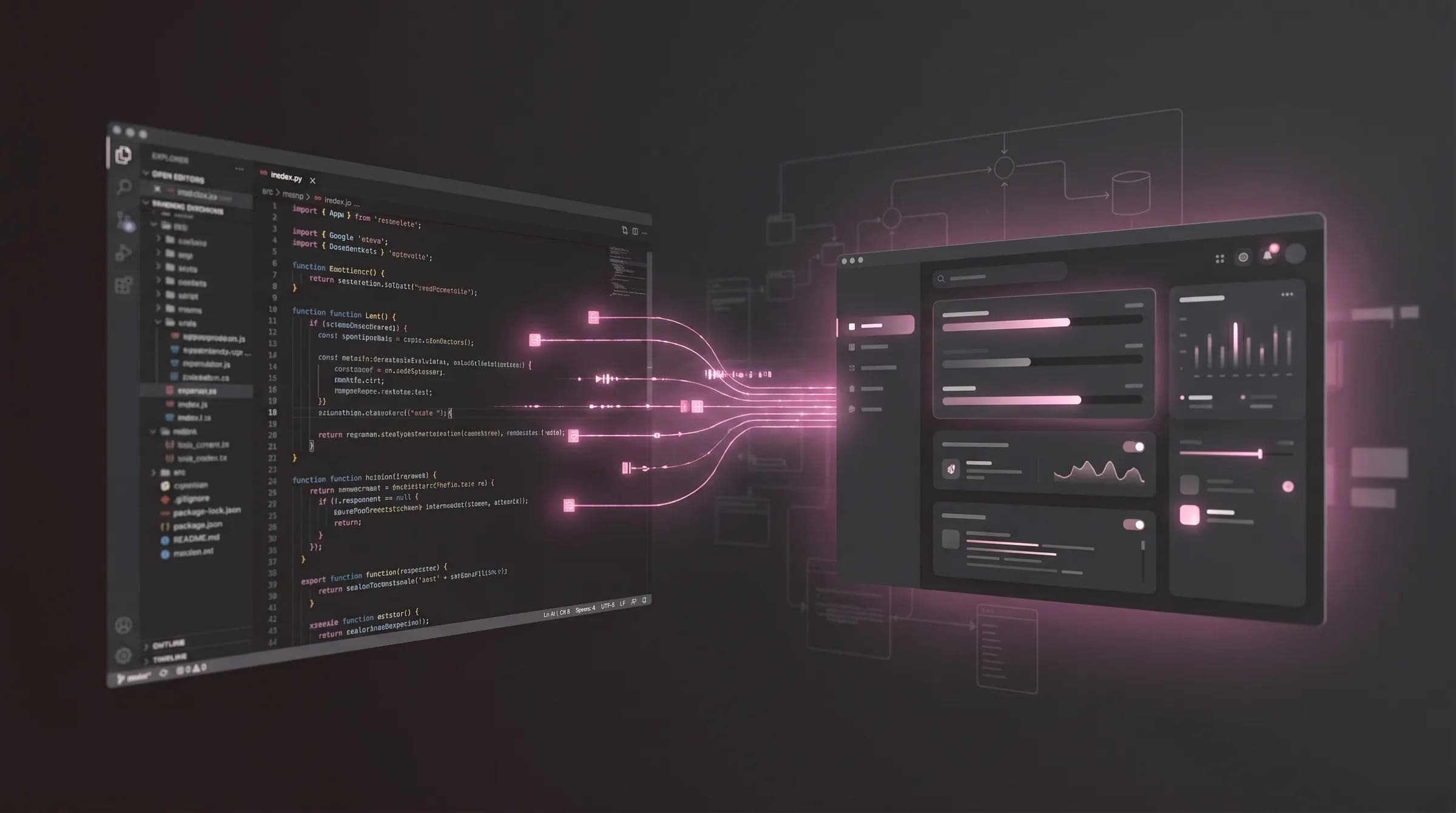
The pattern underneath every use case is the same: connect → monitor → predict. You wire up existing equipment, stream its data to a platform, and then let analytics and AI tell you what to act on. Below are the ten applications US manufacturers ask for most — and what each one actually does on the floor.
Most "top industrial IoT applications" listicles (IoT World Today, NIX, IoT For All) name the use cases but stop there. This one ties each application to what it connects, what it predicts, and the industrial IoT platform that has to sit underneath — because the use case is the easy part; making it scale and pay off is the work.
The 10 industrial IoT applications, at a glance
| # | Application | What it connects | What you get |
|---|---|---|---|
| 1 | Predictive maintenance | Vibration, temp, current sensors | Fewer unplanned breakdowns |
| 2 | Smart-factory monitoring | PLCs, machine controllers | Live floor visibility |
| 3 | OEE tracking | Line counters, cycle data | Higher throughput |
| 4 | Asset & inventory tracking | RFID, BLE, GPS tags | No lost tools or stock |
| 5 | Energy monitoring | Meters, sub-meters | Lower utility spend |
| 6 | Quality control | Vision, inline sensors | Fewer defects shipped |
| 7 | Condition monitoring | Pressure, flow, acoustic | Safer, longer asset life |
| 8 | Remote operations | Gateways, edge devices | Run sites from anywhere |
| 9 | Supply-chain visibility | Telematics, environment | On-time, on-spec delivery |
| 10 | Worker safety | Wearables, gas/zone sensors | Fewer incidents |
1. Predictive maintenance
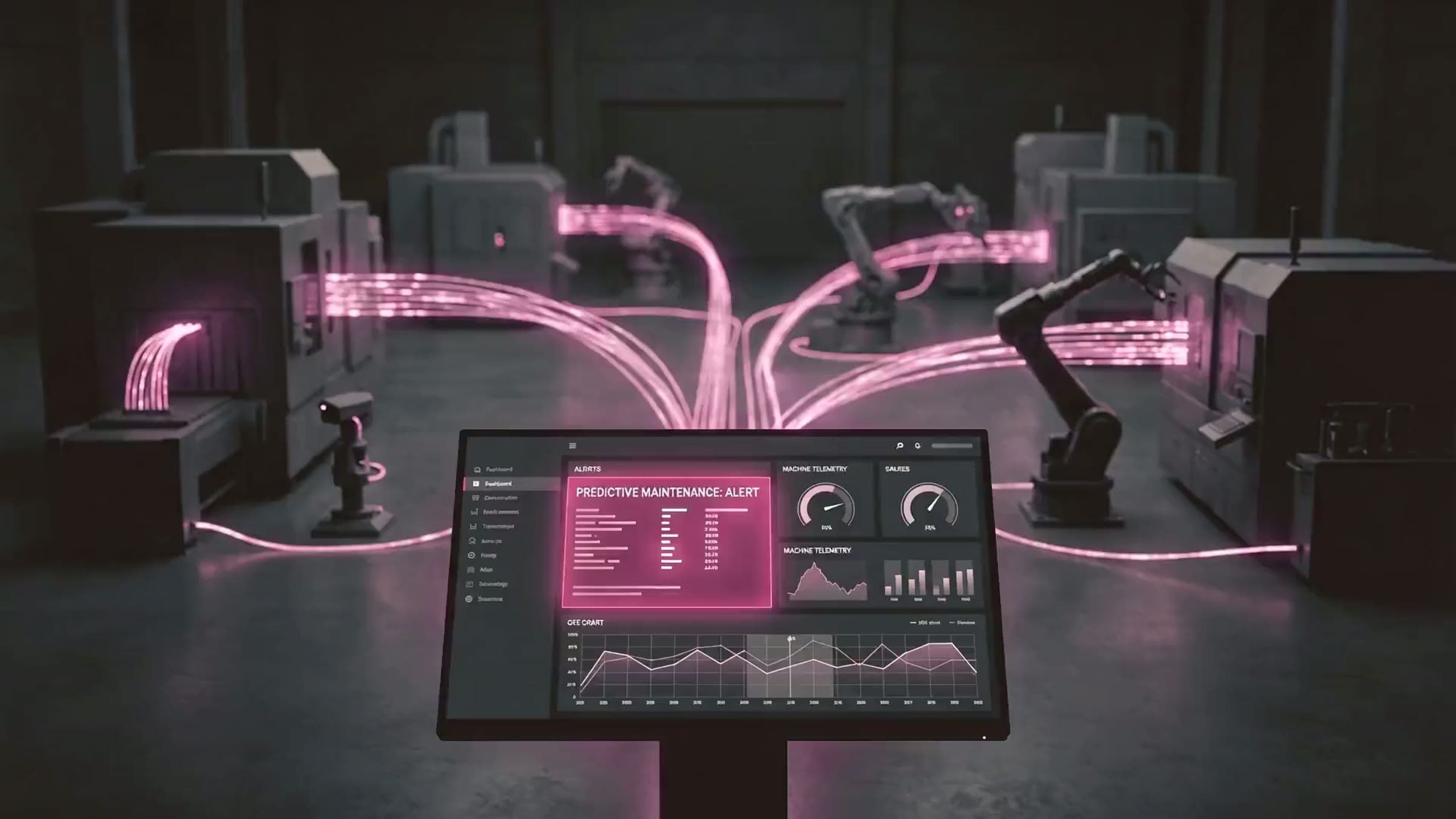
The flagship industrial IoT application. Sensors stream equipment health to a platform; ML models learn each asset's baseline and flag the anomalies that come before failure — so you replace a bearing on a planned window, not mid-shift. This is where most factories see the fastest payback.
2. Smart-factory monitoring (IoT in manufacturing)
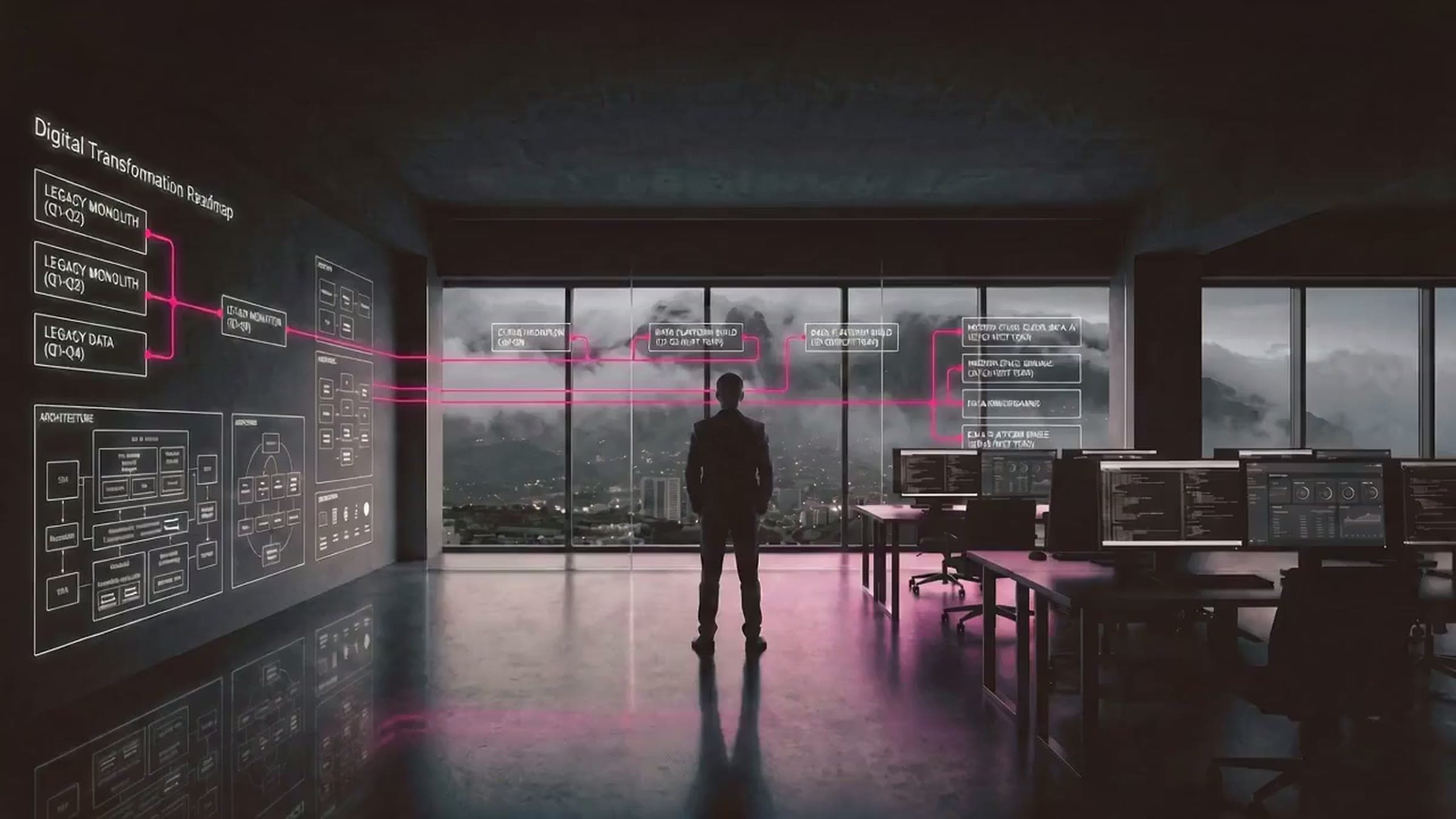
This is IoT in manufacturing at its most visible: connect PLCs and machine controllers into one live view of the floor. Operators and managers see machine state, throughput, and stoppages in real time instead of walking the line or waiting on end-of-shift reports. It's the foundation of a smart factory and the entry point into Industry 4.0 for most plants — the first time the floor and the office see the same numbers at the same time.
3. OEE tracking
Overall Equipment Effectiveness — availability, performance, quality — measured automatically from machine data instead of clipboards. With accurate OEE you can find the real bottleneck and prove the improvement.
4. Asset and inventory tracking
RFID, BLE, and GPS tags locate tools, WIP, and finished goods across a plant or yard. No more hunting for a fixture or miscounting stock — and the data feeds straight into your inventory and ERP systems.
5. Energy and condition monitoring
Sub-meters and condition sensors (pressure, flow, acoustic) track how much energy each line draws and how hard each asset is working. You cut utility spend and catch equipment stress before it becomes damage.
6. Quality control and the rest
Inline vision and sensors catch defects on the line; remote operations let one team run distributed sites from a single dashboard; supply-chain telematics keep shipments on time and in-spec; and safety wearables and zone sensors reduce incidents. Each is a variation on the same connect-and-monitor backbone.
Why these projects stall — and how to avoid it
Most industrial IoT pilots don't fail technically. They stall because the pilot never scales, or because the data lands in a dashboard nobody uses. The fix is to start with one application tied to a hard number — downtime hours, scrap rate, energy cost — and design from day one for integration with the ERP, MES, or SCADA systems you already run.
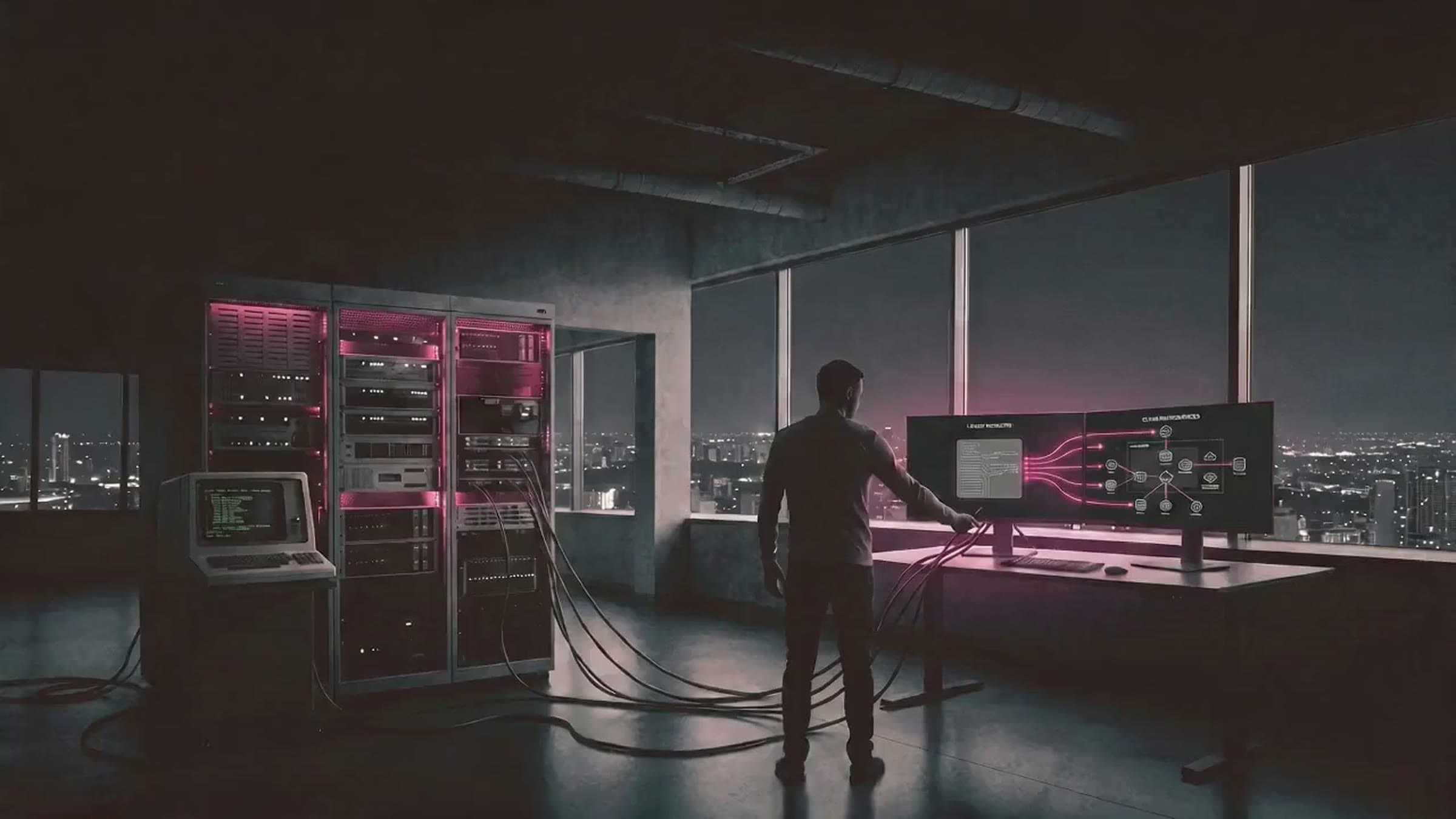
That integration work, not the sensors, is usually the real cost and the real differentiator. A software-first, vendor-neutral approach means you connect your existing machines and clouds rather than ripping anything out — and every one of these applications runs on a single industrial IoT platform that you own: your cloud, your code, your dashboards, your data.
Where nearshore fits
For US manufacturers, building this with a nearshore team in Mexico is a natural fit. From our industrial IoT service, WeEvolveIT connects your existing equipment, builds the monitoring platform in your cloud, and layers AI predictive maintenance on top — all from Monterrey, inside US business hours and in the heart of a manufacturing belt. You get senior engineers a short flight away, not a vendor 10–12 time zones offset.
The bottom line
Pick one industrial IoT application with a clear ROI — usually predictive maintenance or machine monitoring — connect what you already have, and prove the number before you scale. The technology is mature; the wins come from focused use cases, clean integration with your existing systems, and a team that builds a platform you own rather than one you rent.