




















SEO vs PPC is the choice between earning search traffic and buying it. SEO (search engine optimization) builds unpaid, organic rankings that compound over months into free traffic. PPC (pay-per-click) buys instant ad placements you pay for on every click. SEO is slow and compounding; PPC is fast and rented.
The honest answer to "which should you invest in?" is rarely one or the other. It's a question of timing and cash flow — what your business needs now versus what pays off later. This guide breaks down the real trade-off so you can fund the right one first.
What's the difference?
- PPC: you bid on keywords, your ad appears at the top of Google, and you pay each time someone clicks. Traffic starts the same day and stops the moment your budget runs out. Great for immediate leads and testing offers.
- SEO: you improve your content, technical health, and authority so Google ranks you organically. It takes months to work, but the traffic is free and compounds. Great for durable, long-term demand capture.
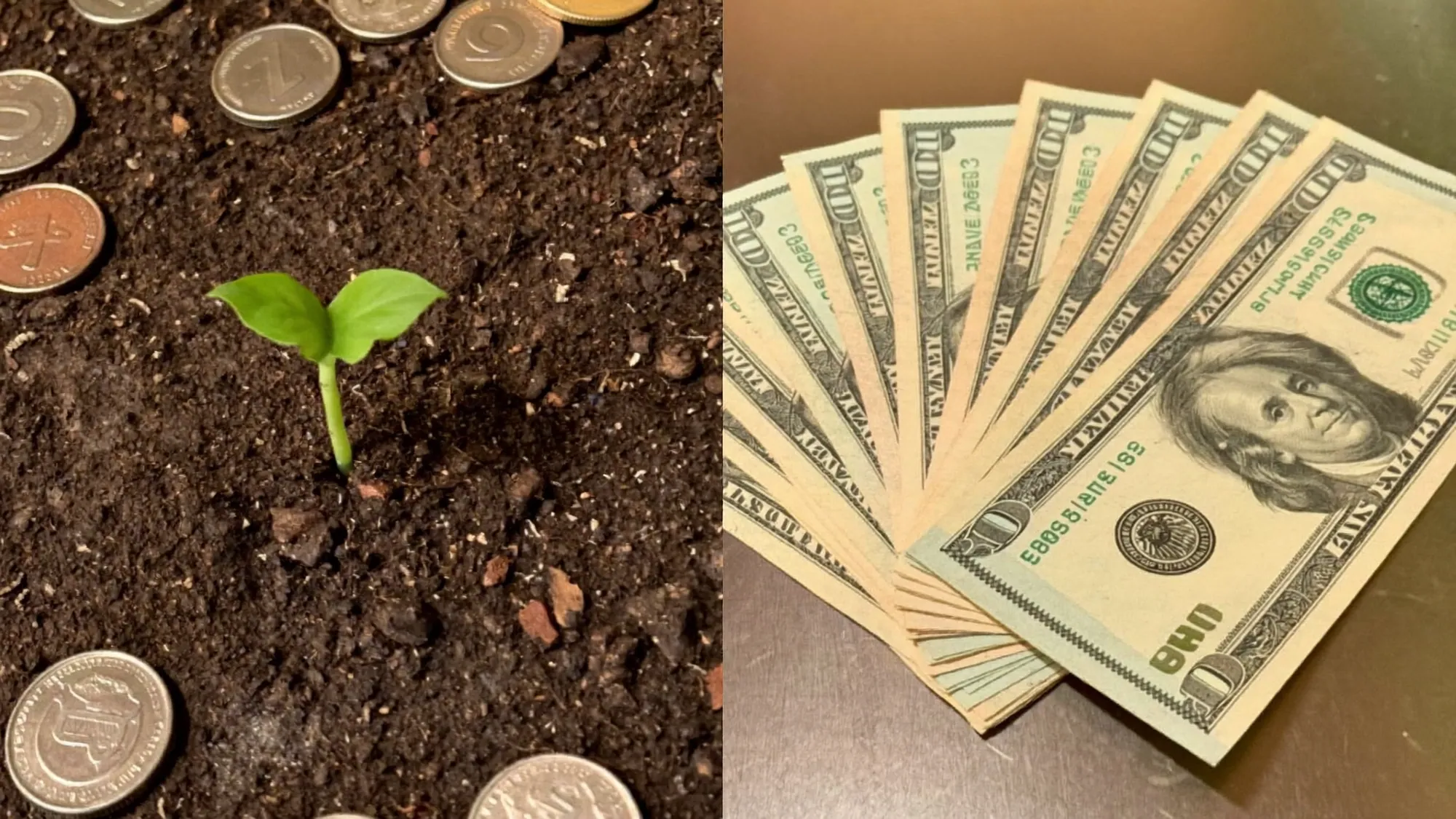
- The catch: PPC is a faucet — turn it off and the water stops. SEO is a well — slow to dig, but it keeps giving once you hit water.
The real comparison
The bid price is what you see on day one. The cost per visit over a year is what actually decides your return:
SEO
- First traffic in 3–6 months
- Fixed monthly investment
- Cost per visit drops as rankings hold
- Traffic keeps coming when you stop paying
- ROI compounds over time
- Best for durable, compounding demand
PPC
- Traffic the same day
- Pay per click
- Cost per visit stays constant
- Traffic stops immediately when you stop paying
- ROI stays linear
- Best for instant leads and testing offers
The pattern: PPC wins the first quarter, SEO wins the year. PPC buys you traffic today at a price that never drops; SEO costs you patience up front but turns nearly free once rankings hold.
When PPC is the right call
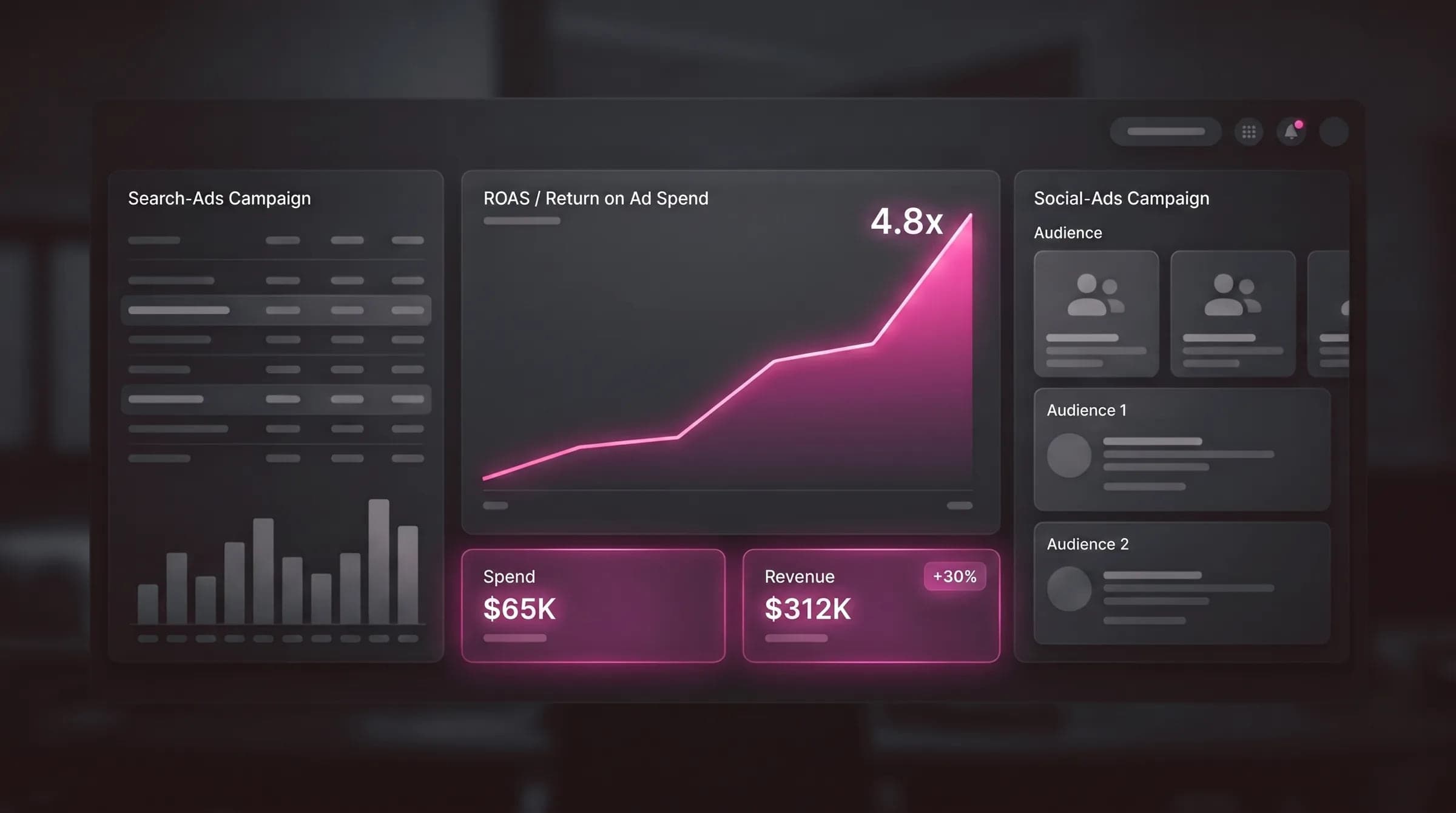
PPC is the faster answer when speed matters more than margin. Fund it first if you need leads this month, you're launching a product or promotion with a deadline, or you're still figuring out which keywords and offers actually convert. PPC's instant feedback loop makes it the best testing tool in search: you learn in days what would take SEO months to reveal.
It's also the only option for keywords you don't yet rank for — and won't for a while. Until your organic presence catches up, paid ads hold the position.
When SEO is the right call
SEO is the right investment when you can afford to wait for a return that compounds. It's built for durable demand: the searches your customers will keep making for years, the content that keeps earning clicks long after you publish it. Once you rank, every visit is effectively free — which is why SEO's cost-per-acquisition falls over time while PPC's holds flat.
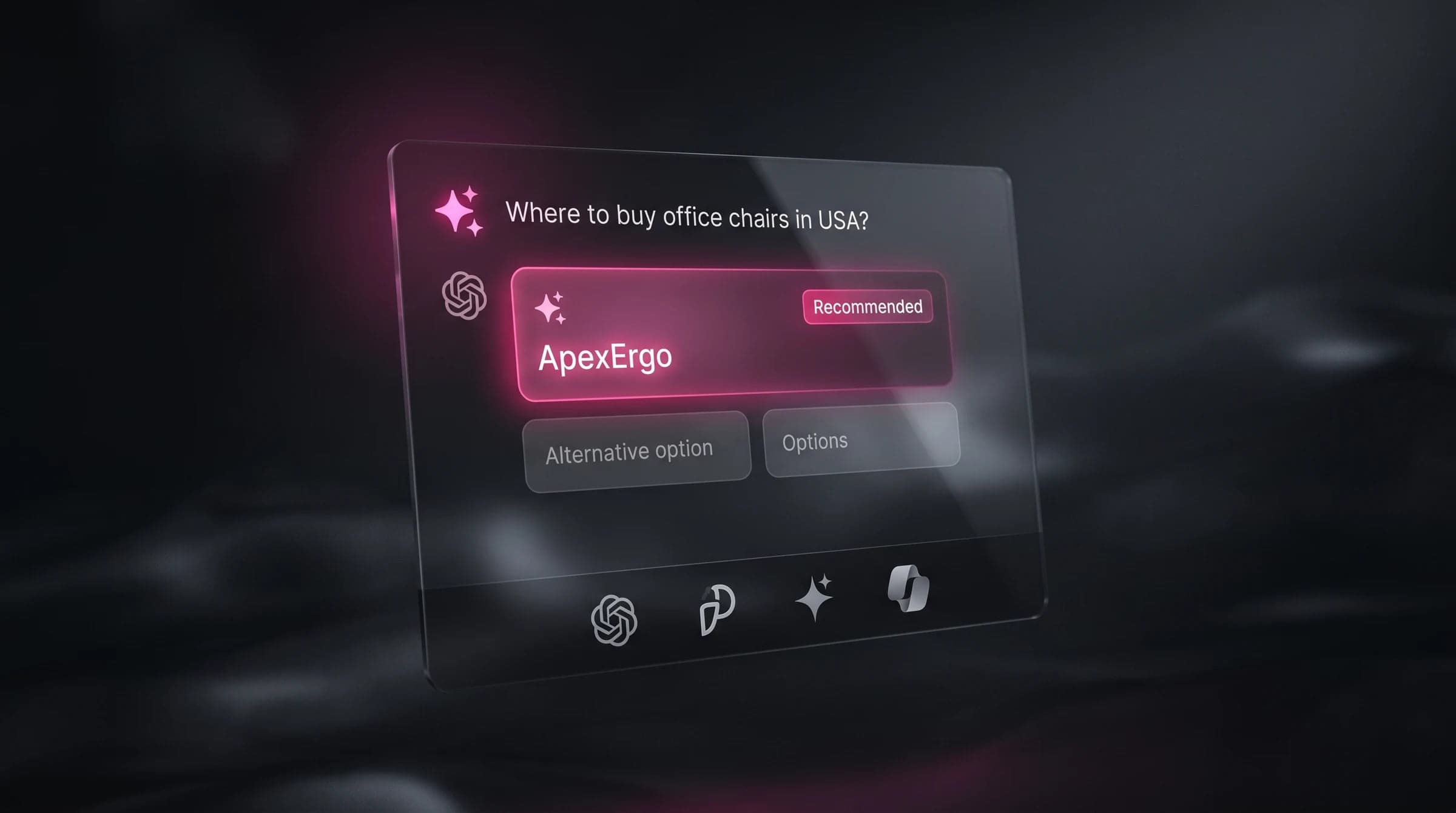
SEO also captures the trust that ads can't buy. Many searchers skip the ads and click the first organic result on purpose. Ranking there signals authority in a way a paid slot never will — and in 2026 it increasingly decides whether AI search engines like ChatGPT and Perplexity cite you at all. That last part — ranking on Google and getting cited by AI — is exactly what our SEO service is built to do: traditional SEO paired with GEO and AEO, the layer most agencies still don't offer. And because we run it as a senior nearshore team on a transparent flat fee — not a US-agency retainer with a black box on top — the SEO side of the equation stays lean while the compounding does its work.
Run both — and let them feed each other
The teams that win search rarely choose. PPC and SEO compound when combined:
- PPC tells SEO what to rank for. Your paid campaigns reveal which keywords actually convert. That's the exact list your SEO work should target.
- SEO lowers your blended cost. As organic rankings take over high-volume terms, you can pull PPC spend back to the gaps — cutting your average cost-per-lead.
- Both at once double your visibility. An ad plus an organic listing on the same results page squeezes out competitors and earns more total clicks than either alone.
The common playbook for US businesses: start with PPC for immediate cash flow and keyword data, then build SEO underneath it to drive the long-term cost down. PPC funds today; SEO compounds for tomorrow.
The bottom line
Whether you frame it as SEO vs PPC or PPC vs SEO, don't treat it as a winner-take-all bet. PPC buys traffic now at a price that never drops; SEO earns traffic later at a price that approaches zero. If you need leads this quarter, start with PPC. If you're building durable demand, fund SEO. Most growing businesses do both — PPC to capture demand today, SEO to own it tomorrow — and use one to make the other cheaper.