













Digital transformation is the process of rebuilding how a business operates — its technology, processes, and people — around modern, AI-first software. It's not buying one new tool; it's changing how work gets done, how decisions are made, and how customers are served, so the organization runs faster, leaner, and on data instead of guesswork.
The word "transformation" is the load-bearing part. Moving a spreadsheet to the cloud is digitization. Rethinking the process the spreadsheet served — and the org around it — is transformation. That distinction is where most budgets are quietly won or lost.
What is digital transformation, really?
For US companies in 2026, digital transformation usually touches five areas at once: cloud infrastructure, data and AI, business systems (ERP/CRM), custom software, and the people who have to adopt all of it. The point isn't to own more technology — it's to change the operating model: how the business makes money, serves customers, and makes decisions.
A useful test: if you switched off the new software, would the business work differently — or just slower? Digitization makes the old way faster. Transformation makes a new way possible.
Digitization vs digitalization vs digital transformation
Three words get used interchangeably and mean very different things:
| Term | What it means | Example |
|---|---|---|
| Digitization | Convert analog to digital | Scanning contracts into PDFs |
| Digitalization | Use digital tech to improve a process | An online portal for those contracts |
| Digital transformation | Reshape the business model and operating model around digital + AI | Contracts auto-drafted, risk-scored, and routed by AI — changing how the legal team works |
Most "transformation" projects that disappoint are actually digitalization wearing a bigger budget. Knowing which one you're buying sets honest expectations.
Why do most digital transformations fail?
The number most often cited is brutal: roughly 70% of digital transformations fall short of their goals. The cause is almost never the technology. It's the business change around it:
- No strategy. Technology gets bought before anyone defines the outcome it's supposed to produce.
- Weak ownership. Treated as an IT project, not a CEO-level business change.
- No adoption plan. The software ships; the people-side change never happens, so old habits win.
- Advice without execution. A strategy house delivers a deck and leaves — nobody builds or runs the thing.
The pattern: failures come from the gap between the slide and the software. Closing that gap is the whole game.
What does a digital transformation consultant do?
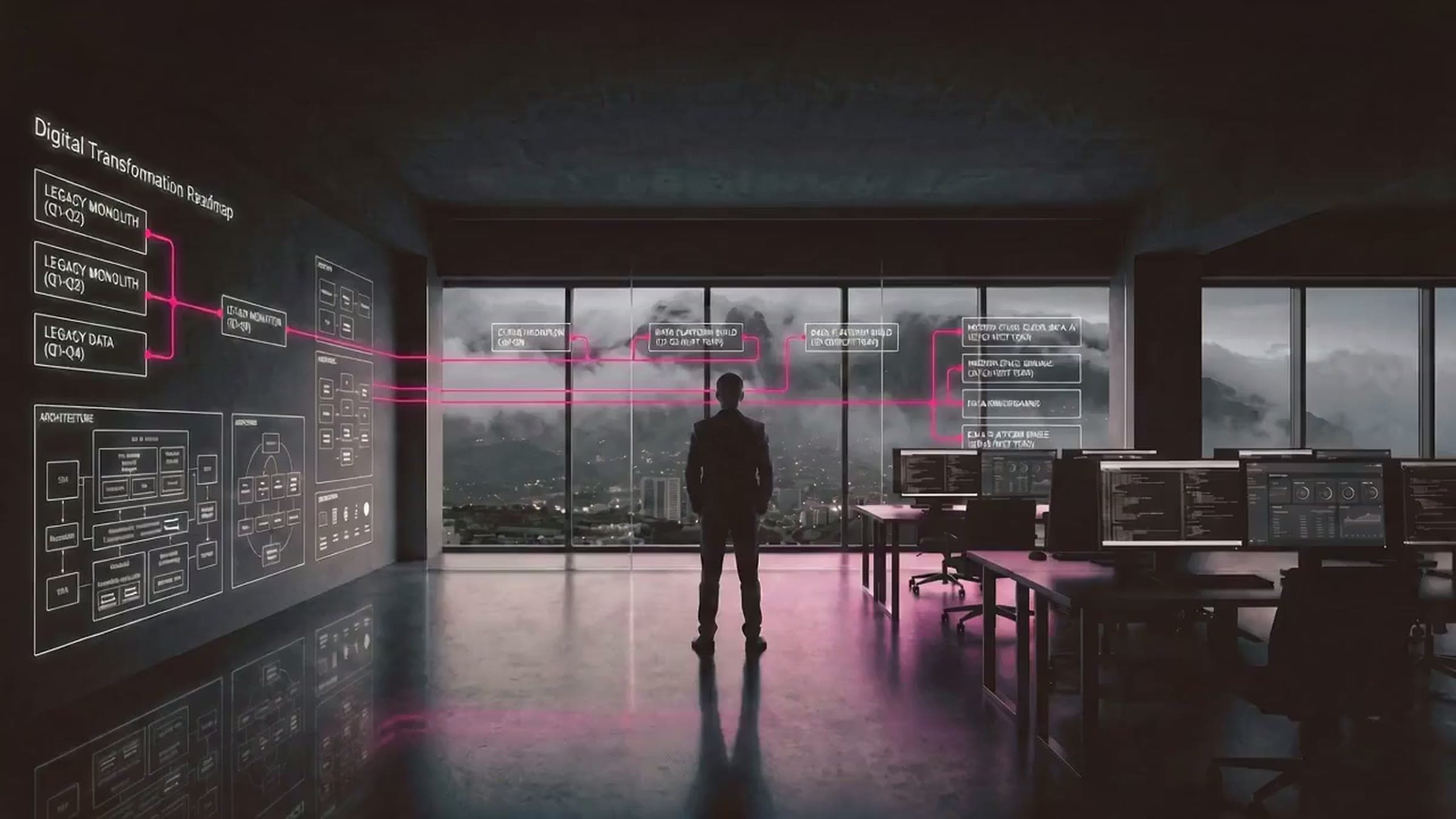
A good consultant assesses how you run today, designs a target operating model, and builds a costed, phased roadmap to get there — then helps execute it. This is where the market splits. The big strategy houses advise brilliantly but hand off the build to someone else, which is exactly where transformations stall.
This is the wedge behind WeEvolveIT's digital transformation consulting service: one team that does both — strategy and execution. Because we have the engineers, the same partner that writes the roadmap modernizes the cloud, the data, the business systems, and the custom software, and stays through adoption. No handoff, no fragmentation across five vendors. Good digital transformation consulting pairs the advice with the build — AI-first, senior nearshore talent from our Monterrey HQ, costed by milestone instead of an open-ended retainer.
Digital transformation examples
The clearest way to see what transformation means is in the before-and-after. A few representative examples:
| Before | After (transformed) | The shift |
|---|---|---|
| Claims keyed by hand into a legacy system | AI extracts, validates, and routes claims automatically | A back-office task becomes a self-running process |
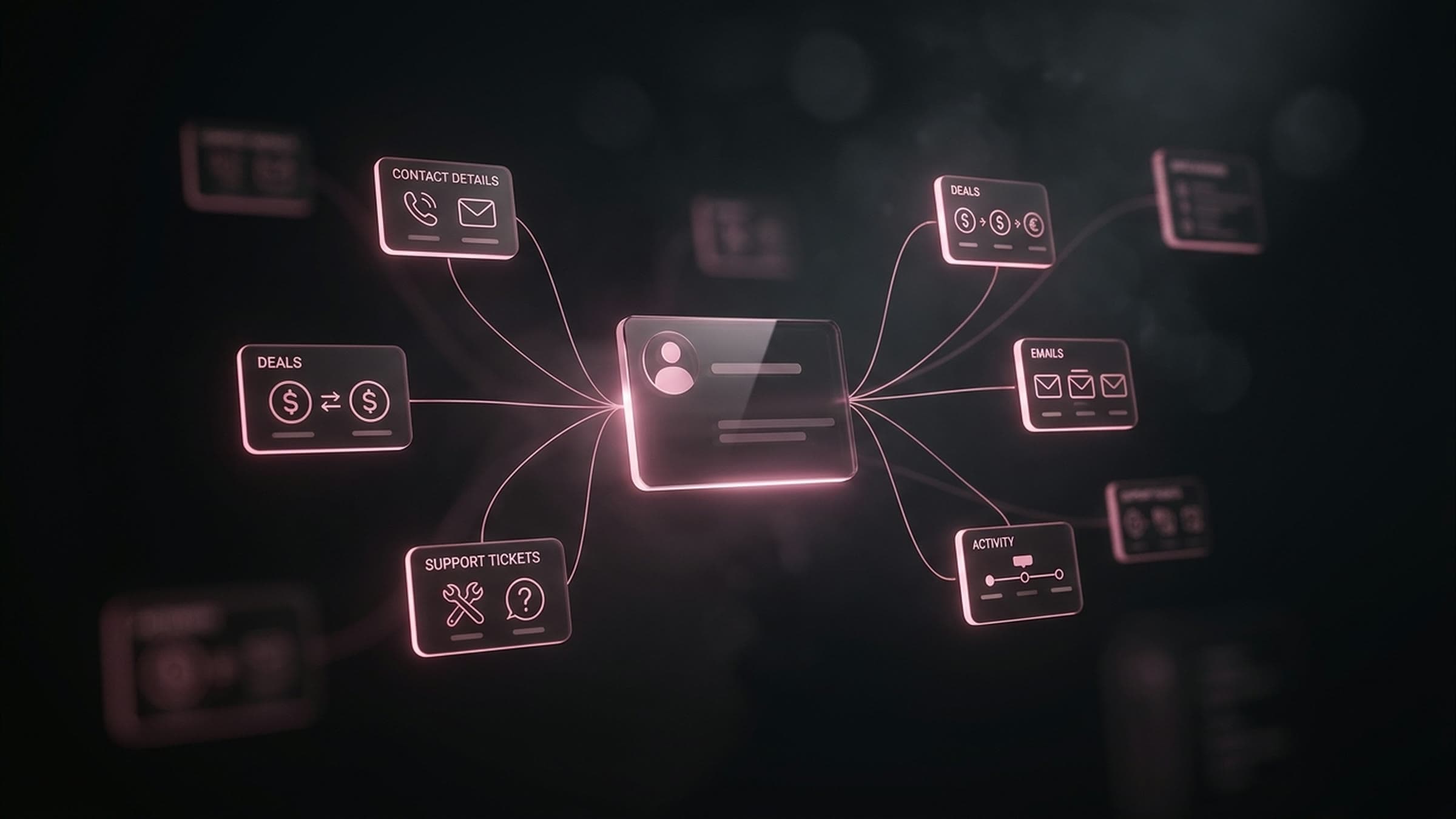
| Sales reps guessing at inventory by phone | A real-time data platform shows stock, demand, and pricing live | Decisions move from gut feel to data |
| Five disconnected tools clinicians copy-paste between | One integrated workflow with AI drafting the notes | Time given back to the people doing the work |
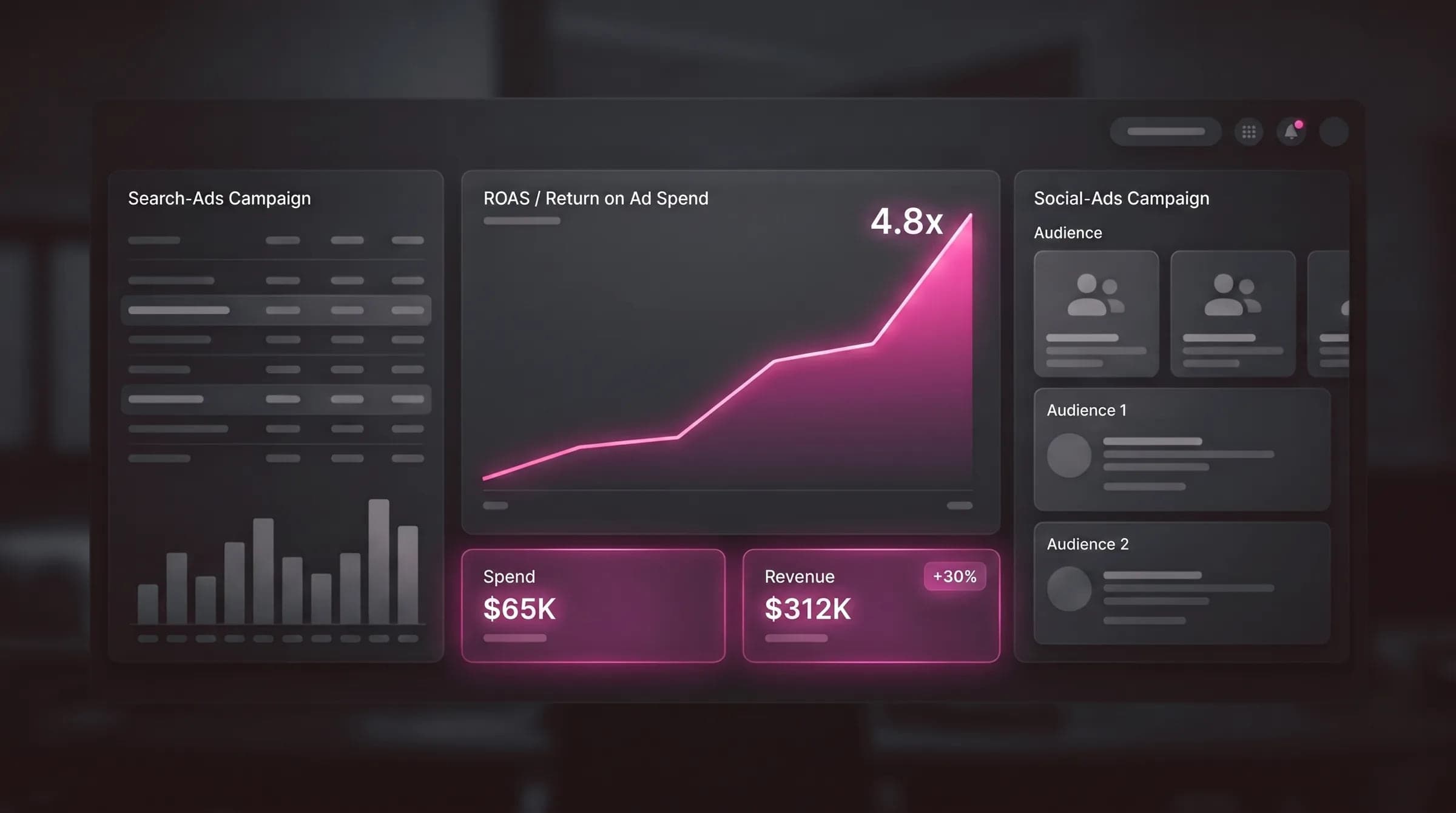
| Quarterly reports compiled manually in spreadsheets | Dashboards and AI agents surface anomalies in real time | Reporting shifts from looking back to acting now |
The pattern in every example: the goal isn't a newer tool, it's a different way of operating. That's what separates a real transformation from an expensive software purchase.
How to build a digital transformation strategy
A strategy that survives contact with reality follows a clear sequence:
- Start with outcomes — name the problems that hurt and the results you need, not the tools you want.
- Assess the current state — map how work actually flows today, including the workarounds.
- Design the target operating model — decide how the business should run once transformed.
- Prioritize by impact and feasibility — sequence initiatives so early wins fund and prove the rest.
- Roadmap with milestones and cost — phase the work, attach numbers, and include a plan for adoption.
Every technology decision should trace back to a business outcome. If it can't, it's a cost, not a transformation.
How much does digital transformation cost?
There's no sticker price — cost tracks scope. A single process redesign is a fraction of a multi-year, company-wide overhaul. The right way to buy it is a costed roadmap split into milestones, so you fund value in stages and can prove ROI before committing to the next phase. A senior nearshore partner that advises and builds typically delivers for less than the rate card of a Big-4 house that only consults — and avoids the second invoice from whoever does the actual building.
The bottom line
Digital transformation isn't a tool you buy — it's how your business runs, rebuilt around modern, AI-first software and the people who use it. The efforts that work share three traits: a strategy tied to real outcomes, execution that actually ships and gets adopted, and one team accountable from roadmap to running software. Get those right and you beat the 70% failure rate. Skip any one of them and you've bought an expensive slide deck.