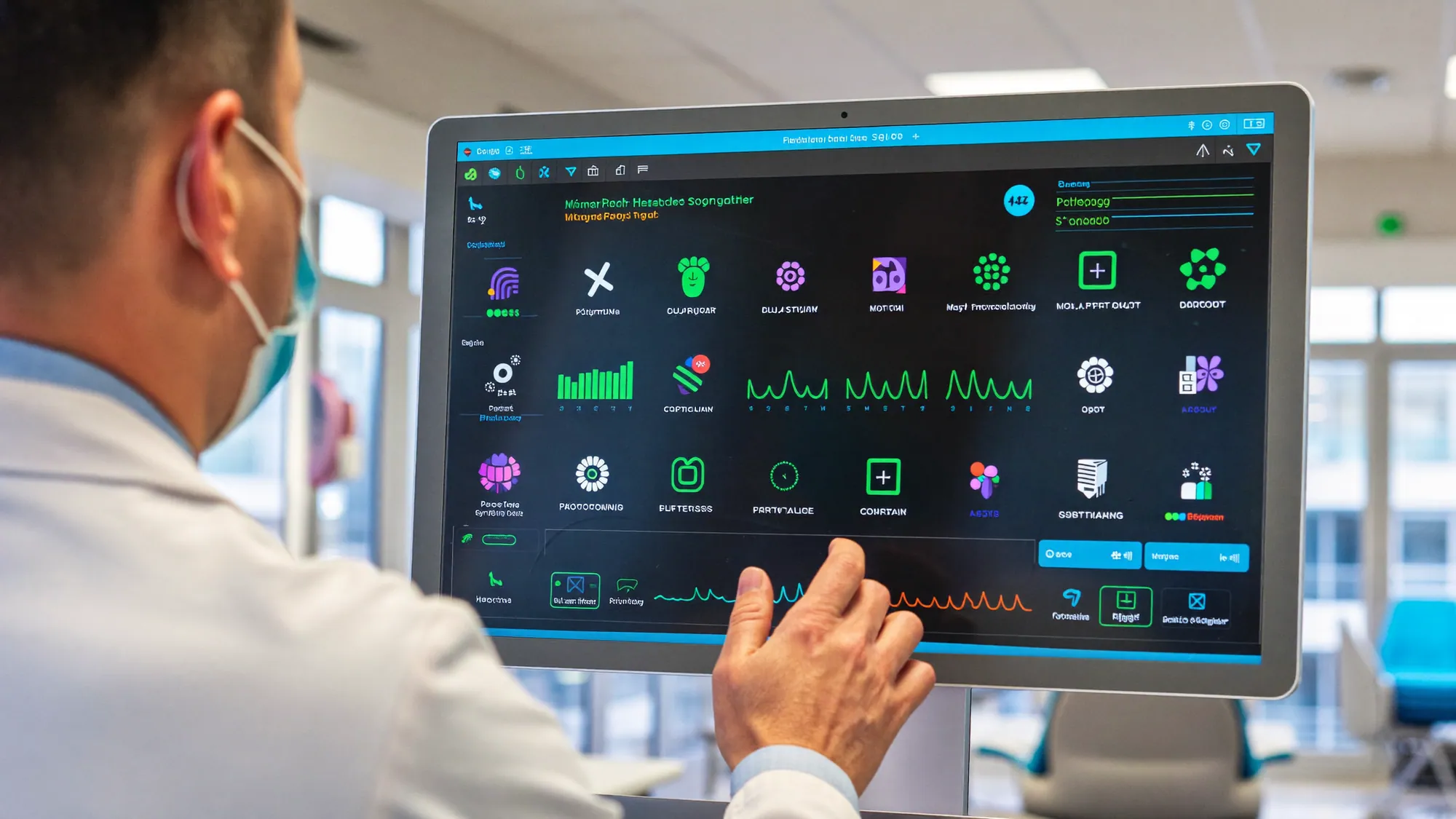

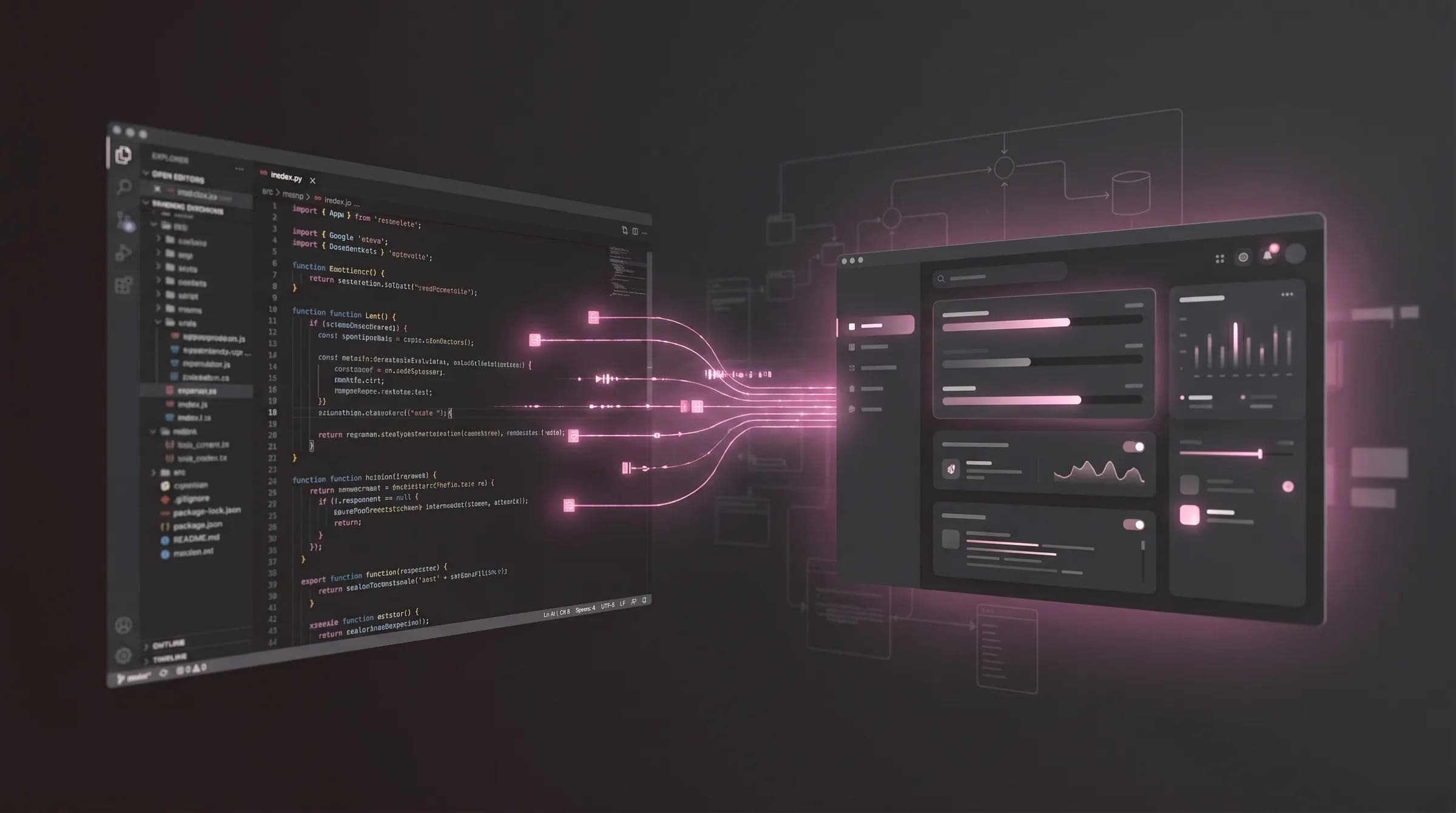





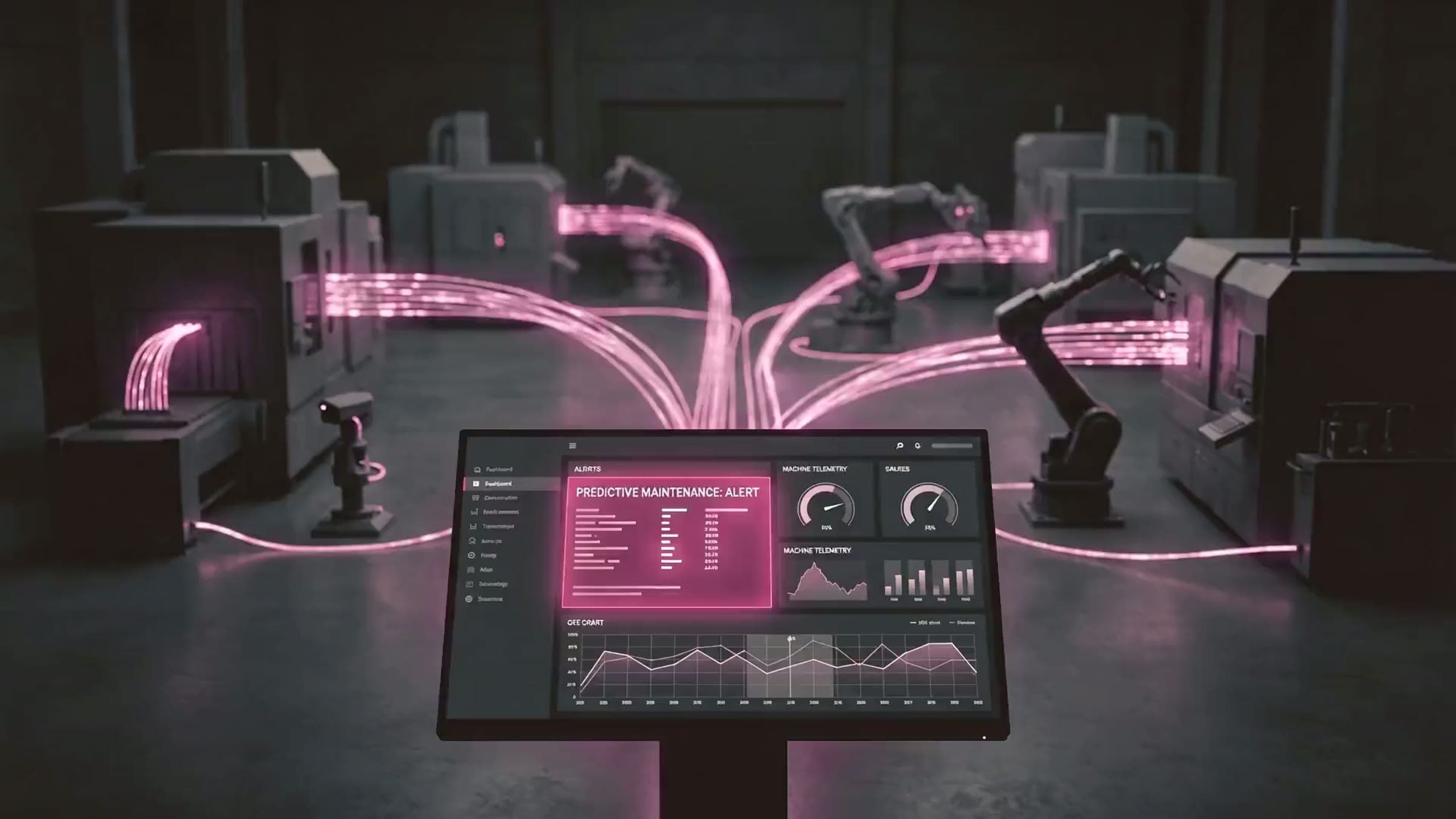











Healthcare digital transformation is the use of modern technology — cloud, data platforms, AI, telehealth, and connected devices — to modernize how care is delivered, how operations run, and how data moves between systems. For providers and payers, it means turning disconnected records and manual workflows into real-time, interoperable, patient-centered systems.
It's not a software upgrade. It's a shift in how an organization works — and the hard part is doing it without breaking compliance, clinician trust, or the systems already keeping the lights on.
What is digital transformation in healthcare?
In healthcare, "digital transformation" describes the move from paper, silos, and one-off tools to connected, data-driven care. It spans the full stack of a health organization: clinical systems (EHRs, telehealth, remote monitoring), operational systems (scheduling, billing, supply chain), and the data and AI layer that ties them together.
The opposite isn't "going digital" — most providers already have an EHR. The real opposite is fragmentation: systems that don't talk to each other, data trapped in silos, and clinicians copy-pasting between five tools. Transformation is what connects them into one working whole.
Where healthcare transformation actually happens
The work tends to cluster in a few high-impact areas:
| Area | What changes | Outcome |
|---|---|---|
| Patient experience | Telehealth, portals, digital intake | Easier access, fewer no-shows |
| Clinical workflows | AI documentation, decision support | Time back for clinicians |
| Data & interoperability | Cloud data platform, HL7/FHIR | One source of truth |
| Operations | Automated scheduling, billing, supply | Lower cost, fewer errors |
| Compliance & security | HIPAA-aligned architecture | Audit-ready, lower risk |
The mistake is treating these as five separate projects with five vendors. They work best as one coordinated program — which is exactly what a focused digital transformation effort is built to deliver.
Why most healthcare digital transformations fail
Industry estimates have long put the failure rate of large transformations around 70%, and healthcare carries extra weight: regulation, legacy EHRs, and clinicians who can't afford workflow disruption. The usual reasons things stall:
- Tech-first, not outcome-first. Buying a platform isn't a strategy. The question is which patient or operational outcome it improves.
- Legacy integration underestimated. A new tool that doesn't connect to the EHR creates more silos, not fewer.
- No clinician buy-in. If it adds clicks to a clinician's day, it fails on the floor regardless of the boardroom plan.
- Compliance bolted on late. HIPAA, HL7, and FHIR designed in from day one cost far less than retrofitting them after an audit finding.
Avoiding these is less about technology and more about sequencing, change management, and building on what already works.
How AI is reshaping healthcare transformation
Modern healthcare transformation is increasingly AI-first. The highest-value uses today are unglamorous but real: ambient documentation that drafts notes so clinicians stop typing during visits, automation of prior authorization and claims, risk scoring that flags patients before they deteriorate, and AI-assisted imaging and diagnostics.

The principle that matters: AI should give clinicians time back, not add oversight burden. That means models that are governed, auditable, and HIPAA-safe — transformation that earns clinical trust instead of demanding it.
How to approach it without breaking things
A healthcare transformation that lands tends to follow the same shape:
- Diagnose — map the real workflows, data flows, and compliance constraints before touching tools.
- Prioritize one wedge — pick a first initiative with clear ROI: a telehealth rollout, a unified data platform, an AI pilot.
- Build on what works — integrate with the EHR; don't rip and replace what's already keeping care moving.
- Design compliance in — HIPAA, HL7, FHIR as architecture, not afterthought.
- Roll out in waves — phased milestones with clinician feedback at each step.
The thread through all of it: strategy and execution in one team. A deck that recommends "adopt AI" is worthless without engineers who can integrate it into a live EHR without breaking compliance — which is where most healthcare programs quietly fall apart.
What a healthcare digital transformation consulting partner does
This is why so many providers and payers bring in a healthcare digital transformation consulting partner rather than going it alone. The right one does more than hand over a strategy — it carries the work from diagnosis through a live, compliant rollout.
A strong healthcare digital transformation consulting partner should:
- Know the regulatory terrain. HIPAA, HL7, and FHIR aren't add-ons; the partner should design them into the architecture from day one.
- Integrate with the EHR, not around it. Epic, Cerner, and the rest are the system of record — modernization layers onto them through APIs, not a rip-out.
- Build, not just advise. The engineers who write the roadmap should also ship the data platform, the AI documentation, and the integrations.
- Bring clinicians in early. Adoption on the floor decides success more than any boardroom plan.
Many healthcare digital transformation companies sell strategy or point solutions; fewer deliver both the plan and the engineering under one roof. That single-team model is the core of WeEvolveIT's digital transformation practice — AI-first, senior nearshore engineers working US hours from Monterrey, so the roadmap and the compliant build stay in sync.
The bottom line
Healthcare digital transformation isn't about buying technology — it's about connecting care, data, and operations into systems that work for patients and clinicians without compromising compliance. The organizations that succeed treat it as a phased program tied to outcomes, design HIPAA and interoperability in from the start, and pair strategy with the engineering to actually build it. Get those right and the technology — AI included — becomes the easy part.