




















AI in data analytics means using machine learning and large language models to forecast outcomes, detect anomalies, and answer data questions in plain English — work classic dashboards can't do. In 2026 it's real for narrow, repeatable tasks and still oversold for fully autonomous analysis. The dividing line is data quality.
The short version: AI doesn't replace your analytics stack — it sits on top of it. And it only works as well as the data engineering underneath it. When people search for AI data analytics, that's the promise — and the honest answer about AI and data analytics in 2026 is that the wins are real but narrow. That's the whole story of what's real this year.
What is AI in data analytics?
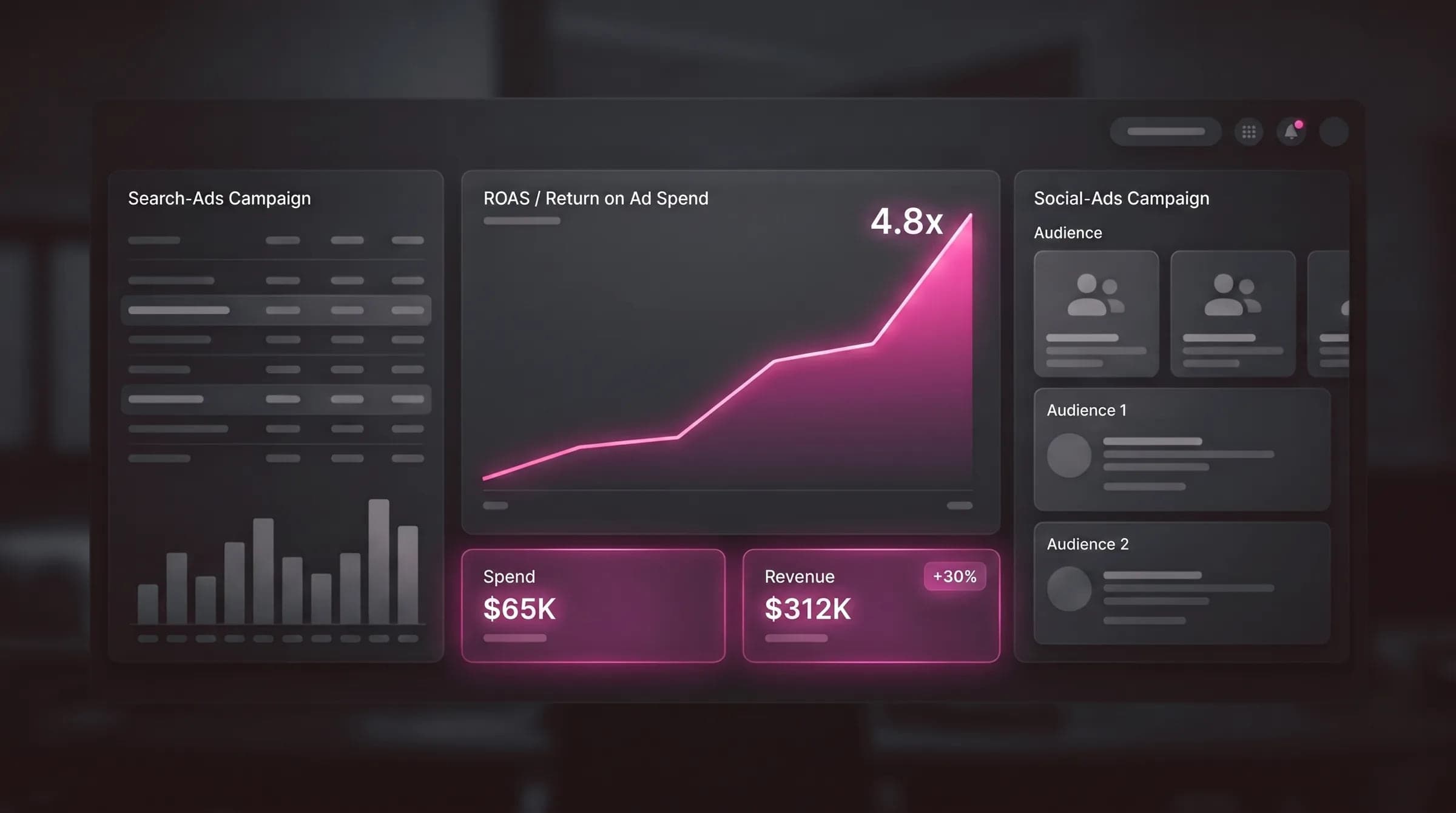
AI in data analytics is the layer that turns analytics from describing the past into predicting and explaining it. Three capabilities do almost all the real work today:
- Forecasting — predicting demand, revenue, or churn from historical patterns (this is predictive analytics).
- Anomaly detection — automatically flagging the spike, drop, or fraud signal a human would miss in a dashboard.
- Natural-language querying — asking "why did margin drop in the Northeast last quarter?" and getting an answer instead of writing SQL.
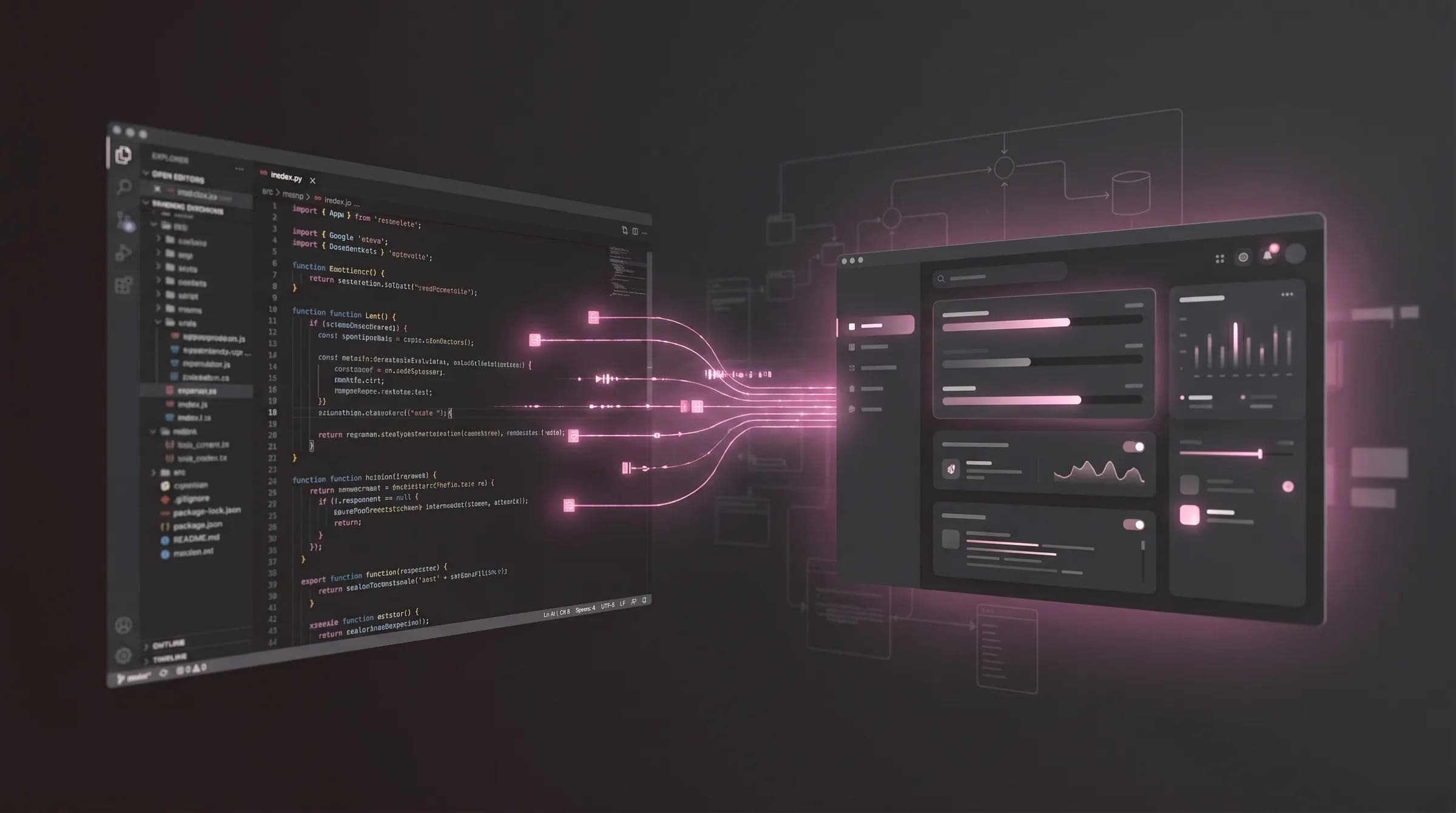
None of these replace your pipelines or your BI dashboards. They plug into them. That's why the companies winning with AI analytics in 2026 are the ones that already did the boring work first.
What's real vs what's still hype
The gap between the demo and the deployment is entirely about data quality and scope. Here's the honest split:
| Capability | Status in 2026 | Why |
|---|---|---|
| Demand / revenue forecasting | Real | Mature models, clear inputs, measurable accuracy |
| Anomaly & fraud detection | Real | Narrow task, well-defined signal |
| Natural-language querying (on clean data) | Real | LLMs are strong here when the data model is solid |
| Churn / risk prediction | Real | Proven pattern, depends on good historical data |
| "Ask anything, trust the answer" autonomous analytics | Hype | Accuracy collapses on messy or unmodeled data |
| AI that fixes bad data for you | Hype | Still needs engineering and human judgment |
The pattern: narrow and well-scoped works; broad and autonomous doesn't — yet. AI amplifies good data engineering and ruthlessly exposes bad data engineering.
The maturity ladder: where AI actually fits
Most analytics failures aren't AI failures — they're foundation failures. Dashboards nobody opens. Pipelines that break silently. Metrics no one trusts. AI sits at the top of a ladder, and skipping rungs is how projects stall:
- Data engineering — reliable pipelines and a clean warehouse, the prerequisite the model can't fix for you.
- Business intelligence — dashboards that surface the right metrics and earn the team's trust.
- Analytics & insights — answering why, not just what, before any prediction is layered on.
- AI & predictive — forecasting, anomaly detection, and natural-language access on top of clean data.
You can't bolt rung four onto missing rungs one and two. The fastest way to "do AI" is usually to first make the data trustworthy — which is exactly the work our data analytics service leads with before any model ships.
How to add AI without rebuilding your stack
You don't need a platform migration. A pragmatic 2026 rollout looks like this:
- Start from a decision, not a model. Pick one decision (reorder point, fraud flag, at-risk account) that a forecast or anomaly alert would improve.
- Check data readiness first. If the inputs are clean and modeled, the AI work is contained. If not, budget for the engineering — that's where the cost lives.
- Layer, don't replace. Add the model on top of your existing warehouse and BI; keep dashboards as the backbone.
- Keep a human in the loop. AI proposes the forecast or the flag; a person owns the decision. That's how you ship AI you can trust.
- Own your stack. Your warehouse, your models, your dashboards — no lock-in to a black-box platform you can't inspect.
Why this is a nearshore fit
AI analytics is iterative — you tune models, question outputs, and adjust against real business feedback weekly. That tight loop is exactly where a senior nearshore team in Mexico beats both a distant offshore vendor and a Big-4 consulting engagement. From Monterrey, our engineers work US business hours, collaborate in real time, and deliver Snowflake, BigQuery, dbt, and Python work at senior quality — without enterprise-consultancy pricing. For US companies adding AI to data analytics, that real-time overlap is what keeps the modeling loop fast and the data trustworthy.
The bottom line
AI in data analytics is real in 2026 — for forecasting, anomaly detection, and natural-language querying on clean, well-modeled data. It's still hype for fully autonomous, ask-anything analysis. Treat AI as the top of the maturity ladder, not the foundation: get the data engineering right, layer AI on top of your existing stack, keep a human on the decision, and own what you build. Do that, and AI amplifies your analytics instead of advertising your data problems.