
















If you searched "best AI automation tools," you were probably hoping for one winner. There isn't one — and any list that crowns a single tool is selling something. The right AI automation tool depends on the job: the kind of work, who's building it, and where it has to run.
So read this roundup by category, not by rank. Below we group the strongest tools into six buckets — no-code builders, RPA / enterprise, agent and LLM frameworks, industrial / process, iPaaS / integration, and all-in-one platforms — and for each tool give one honest line on what it's best for plus the catch. These are the tools we actually reach for on client work, so the picks lean practical over trendy.
The roundup at a glance
| Tool | Category | Best for | Watch out |
|---|---|---|---|
| Zapier | No-code builder | Fast SaaS-to-SaaS automations, non-technical teams | Per-task pricing climbs fast at volume |
| Make | No-code builder | Visual multi-step flows with branching and logic | Steeper learning curve than Zapier |
| n8n | No-code / code hybrid | Self-hosted control, custom code steps | You own the hosting and upkeep |
| UiPath | RPA / enterprise | Desktop, legacy, and document automation at scale | Heavy, licensed, needs RPA skills |
| Power Automate | RPA / enterprise | Automation inside the Microsoft 365 / Azure stack | Best value only if you're already Microsoft |
| OpenAI API | Agent / LLM | Reasoning, extraction, classification steps | A model, not a workflow — needs orchestration |
| Node-RED | Industrial / process | Event-driven and IoT / OT flows | Not aimed at business-SaaS automation |
| Salesforce / SAP | All-in-one platform | Automation native to your system of record | Locked to that ecosystem; consultant-heavy |
Now the detail.
No-code workflow builders
This is where most teams should start. No-code builders connect apps through a visual editor and pre-built connectors, and in 2026 nearly all of them embed AI steps — summarize this, classify that, draft a reply — directly in the flow.
- Zapier — best for getting a SaaS-to-SaaS automation live fast with no engineers. Its connector library is the largest in the category, so the app you need is almost always there. Watch out: pricing is per-task, so a flow that fires thousands of times a month gets expensive quickly.
- Make — best when the workflow needs real structure: branching, loops, filters, and multi-step logic laid out visually. It gives you more control than Zapier for complex routing. Watch out: that power comes with a steeper learning curve, and debugging busy scenarios takes practice.
- n8n — best when you want no-code speed but refuse to give up control. It's open-source, can run on your own infrastructure, and lets you drop into code for the steps that need it — a genuine bridge between no-code and custom. Watch out: self-hosting means you own the upgrades, security, and uptime.
Rule of thumb: Zapier to ship fastest, Make for complex logic, n8n when data residency or cost-at-scale pushes you toward self-hosting.
RPA and enterprise automation
Robotic process automation (RPA) is for the work no-code builders can't reach: legacy desktop apps with no API, document-heavy back-office processes, and high-volume enterprise workflows. The "AI" layer here is document understanding and decisioning bolted onto the robots.
- UiPath — best for automating across legacy and desktop systems at enterprise scale, with mature document-processing and governance tooling. Watch out: it's a licensed, heavyweight platform that needs trained RPA developers — overkill for a handful of simple flows.
- Microsoft Power Automate — best if you already live in Microsoft 365 and Azure; it automates across Outlook, Teams, SharePoint, and Dynamics with both cloud flows and desktop RPA. Watch out: the value case weakens fast outside the Microsoft ecosystem, and licensing tiers get confusing.
Use RPA when the bottleneck is systems that won't integrate cleanly — not as a default for everything.
Agent and LLM frameworks
This is the layer doing the actual reasoning in "AI automation": pulling meaning out of messy text, deciding between options, and driving multi-step work. These aren't workflow tools on their own — they're the brain you wire into one.
- OpenAI API (and peers) — best as the reasoning core for steps a rules engine can't do: classify a support ticket, extract fields from a contract, draft a response. Watch out: a model is not a workflow. On its own it returns text; you still need orchestration, error handling, and guardrails around it.
- Orchestration frameworks (LangChain-style) — best for stitching an LLM to tools, memory, and a planning loop so it can complete a goal instead of answering one prompt. This is what turns a model into an agent. Watch out: it shifts the work to real software engineering — versioning, testing, and monitoring all become your problem.
If you're combining these into something that acts rather than just answers, that's agentic territory — see agentic AI vs generative AI vs chatbots for where the line sits.
Industrial and process automation
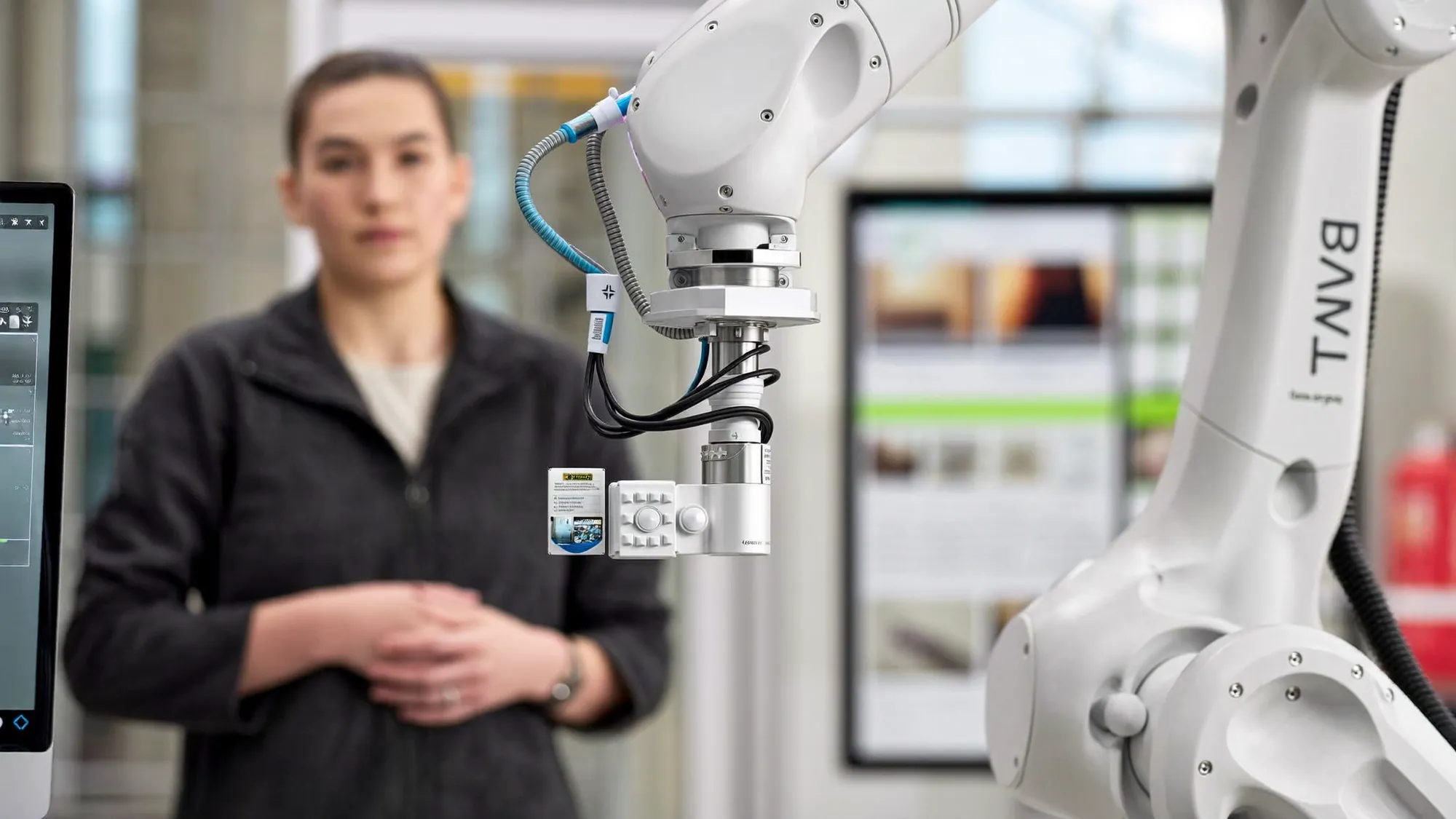
Most roundups skip this category because they're written for marketing teams. But if your automation touches the factory floor, sensors, or operational technology, the tooling is different.
- Node-RED — best for event-driven and IoT / OT flows: wiring sensors, devices, MQTT streams, and edge logic together with a visual node graph. It's open-source and lightweight enough to run at the edge. Watch out: it's built for signals and devices, not business-SaaS automation — don't reach for it to sync your CRM.
For industrial clients we often pair Node-RED at the edge with a cloud builder like Make handling the business-system side. Different layers, different tools.
iPaaS and integration
iPaaS (integration platform as a service) overlaps with no-code builders but leans toward durable, governed system-to-system integration — the plumbing between your core platforms rather than quick task automations. Make and n8n both stretch into this space, and the all-in-one platforms below bring their own native integration layers. The honest take: for most mid-market teams, a strong no-code builder covers what they'd otherwise buy a dedicated iPaaS for. Reach for heavier iPaaS when you have many systems, strict governance needs, and a team to run it.
All-in-one platform automation
If your business runs on a single system of record, the best automation tool is often the one already built into it.
- Salesforce — best for automating sales, service, and marketing flows when Salesforce is your CRM; its native automation and AI features act directly on your data without an external connector. Watch out: it's locked to the Salesforce ecosystem and tends to need specialist consultants.
- SAP — best for automating finance, supply-chain, and ERP processes inside an SAP landscape, where staying native avoids brittle integrations. Watch out: same trade-off, larger — deep ecosystem lock-in and heavy implementation effort.
These shine when the process lives inside the platform. The moment you need to reach across systems, you're back to a builder or an agent.
How to choose
Skip the feature-comparison spreadsheet and answer four questions:
- Who builds and maintains it? No engineers → start no-code (Zapier, Make). You have a dev team → n8n or code-first orchestration is on the table.
- Where does it run? Cloud SaaS is fine → any builder works. Data must stay in-house → favor self-hosted (n8n, Node-RED) or platform-native automation.
- Does it need judgment? Fixed, repeatable steps → RPA or a no-code flow. Reasoning between steps → an LLM / agent layer earns its keep.
- How standard is the process? Common and well-supported → buy a tool. A differentiator or sensitive → that's a build conversation.
Build vs buy
The cleanest framing we use with clients: buy the connectors, build the judgment. Buy (or rent via SaaS) when the process is common and a tool already does it well — most CRM, marketing, and notification flows. Build when the workflow is a competitive edge, touches sensitive data, or needs reasoning a packaged product can't deliver. The honest middle path is the most common one in practice: let a tool like n8n or Make handle integration while custom agent code handles the decisions. For the full decision tree, see our guide on how to automate a business process, and for hands-on builds, our AI automation work.
The bottom line
There is no single best AI automation tool in 2026 — there's a best tool per category, per job. Start no-code with Zapier or Make to ship fast, reach for n8n when you need self-hosted control, use UiPath or Power Automate for enterprise and legacy work, add an OpenAI-style LLM layer when the task needs reasoning, Node-RED for industrial and IoT, and Salesforce or SAP when automation should live inside your system of record. Match the tool to the work, keep the build-vs-buy line honest, and you'll spend on outcomes instead of licenses.