
















An AI agent is software that uses an AI model to decide what to do and then do it on its own to reach a goal — not just answer a question. It breaks a task into steps, uses tools like search, databases, and apps, checks its own work, and keeps going until the job is done. In simple terms: a chatbot talks, an agent acts.
That one word — acts — is the whole difference. A regular AI tool waits for your next prompt. An AI agent takes a goal and runs with it.
What is an AI agent, in simple terms?
Think of a smart intern. You don't tell an intern every keystroke — you give them an outcome ("reconcile last month's invoices") and they figure out the steps, look things up, ask when stuck, and hand you the result. An AI agent works the same way: you give it a goal, and it plans and executes.
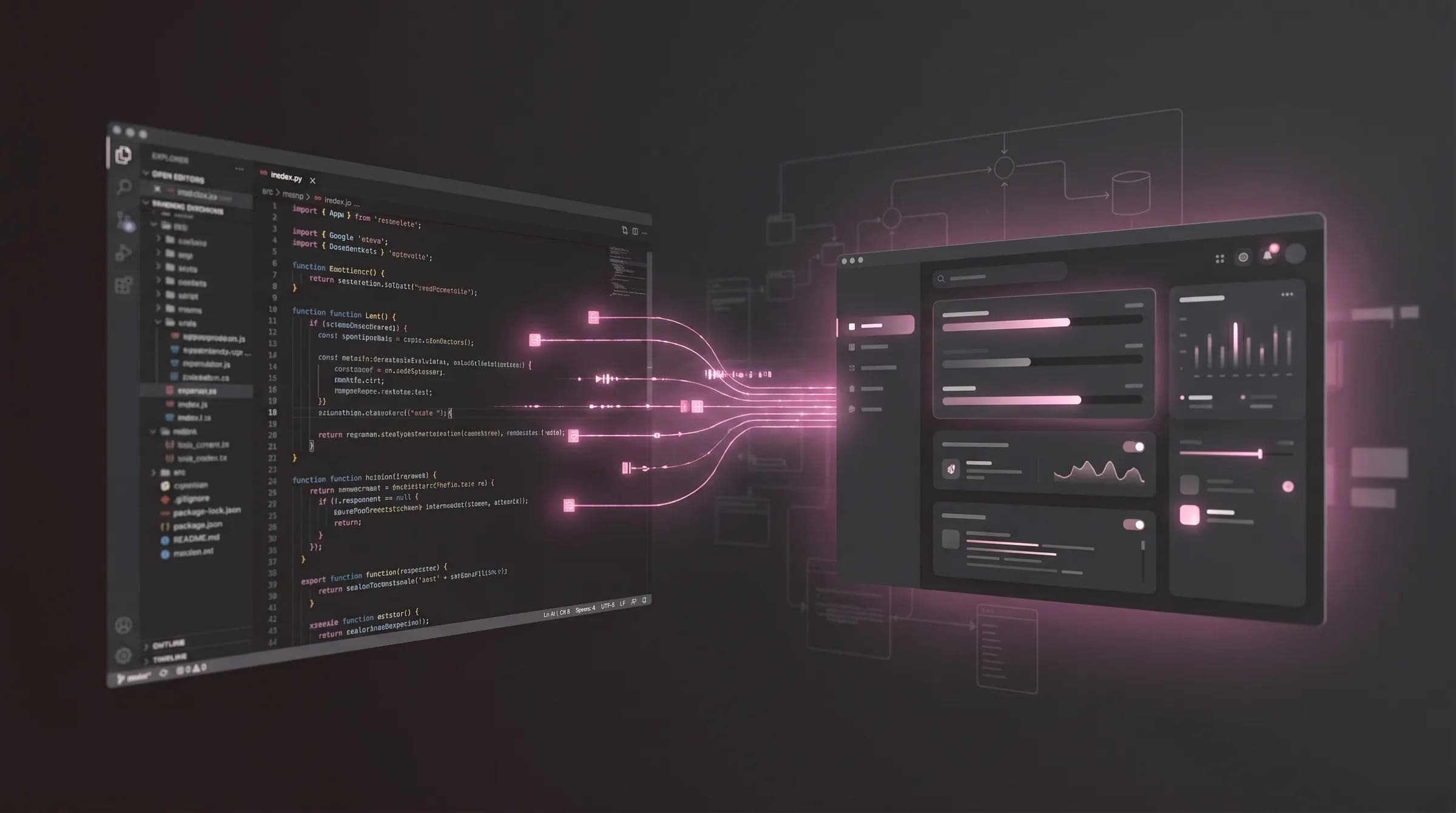
Under the hood, an agent pairs a language model (the "brain" that reasons and decides) with tools (the "hands" that take action — searching the web, querying a database, sending an email, calling another system). The model decides what to do; the tools let it actually do it.
How does an AI agent work?
Most agents run a simple loop until the goal is met:
- Goal. You give it an objective — "answer this support ticket."
- Plan. The model breaks the goal into steps.
- Act. It calls a tool — look up the customer, check the order.
- Observe. It reads the result of that action.
- Decide. It picks the next step, or recognizes the job is done.
The agent repeats act → observe → decide on its own, instead of waiting for a human to drive each turn. That self-directed loop is what makes it an "agent" rather than a chatbot.
AI agent vs chatbot vs automation
These three get blurred together, but they're not the same thing:
| Chatbot | Traditional automation | AI agent | |
|---|---|---|---|
| What it does | Answers messages | Runs fixed rules | Pursues a goal |
| Decides its own steps | No | No — pre-scripted | Yes |
| Uses tools / other apps | Rarely | Within fixed flows | Yes, dynamically |
| Handles the unexpected | No | Breaks on edge cases | Adapts and retries |
| Best for | Q&A, FAQs | Predictable workflows | Multi-step, judgment-heavy tasks |
A chatbot is reactive. Automation is rigid. An AI agent sits between them: it makes decisions like a person but executes like software.
What's an example of an AI agent?
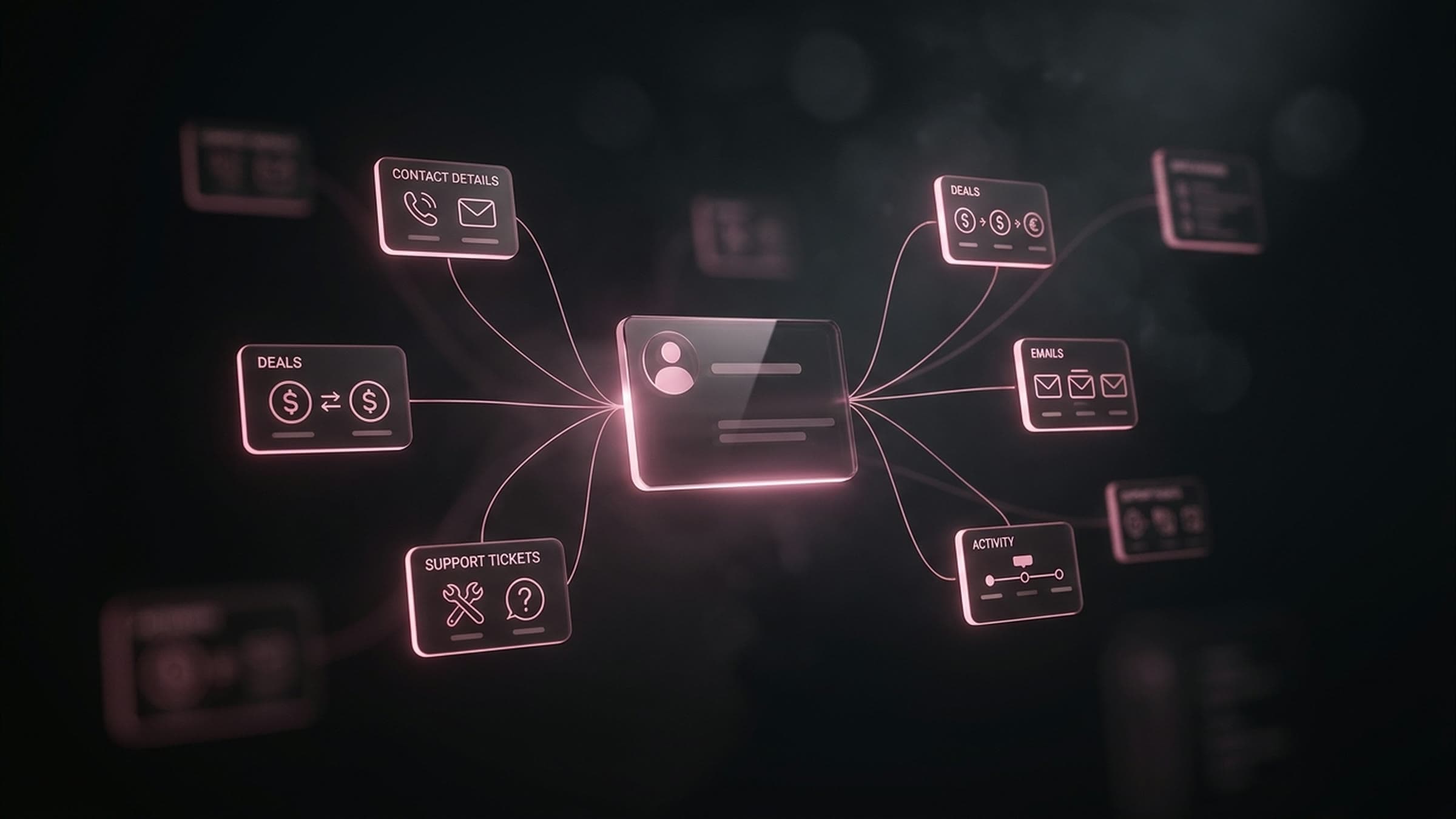
A customer-support agent makes it concrete. A ticket comes in. The agent reads it, looks up the customer in your CRM, checks their order status in a separate system, drafts a reply in your brand voice, and then either sends it or escalates to a human if the issue is sensitive. No one prompted each step — it was handed a goal ("resolve this ticket") and worked the chain itself.
Other everyday examples: agents that triage and route inbound email, reconcile invoices across systems, monitor data and raise alerts, or research a topic and compile a sourced report.
Do AI agents actually work?
For narrow, repeatable tasks with clear success criteria, yes — agents are reliable today. Where they struggle is the unglamorous part: integration. Most production failures aren't the AI being "dumb" — they're tool handoffs that break, authentication that fails between systems, and agents that need babysitting on open-ended goals.
That's also why agents can make mistakes. Because the brain is a language model, it can be confidently wrong — and an agent acting on a wrong answer can take a wrong action. The fix isn't magic; it's engineering: guardrails, validation steps, grounding answers in your real data, and human approval on anything high-stakes. Start narrow, add checkpoints, and expand scope as trust builds.
How much does it cost to build one?
Cost tracks complexity, not the buzzword. Small to mid-sized AI agent projects typically start around $25K, while complex enterprise agents — many systems, strict compliance, deep integrations — can exceed $500K. There are also ongoing model and infrastructure costs once it's live. The biggest line item is usually wiring the agent into your existing tools, not the AI itself.
This is the gap where most agent projects quietly succeed or fail, and it's the core of AI agent development done right: scoping the goal tightly, building the tool integrations that don't break, and putting humans in the loop where it matters. For US companies, doing that work nearshore — in your time zone, with real-time collaboration — keeps the feedback loop tight while the agent is being trained and hardened, instead of trading it offshore to a vendor in India or Dubai you can only reach overnight.
The bottom line
An AI agent is software that's given a goal and acts on its own to reach it, using an AI model to decide and tools to do. It's not a smarter chatbot — it's a different category: one that completes tasks instead of just answering questions. The technology works best when you start with a narrow, well-defined job, ground it in your real systems, and keep a human in the loop on the decisions that count.