

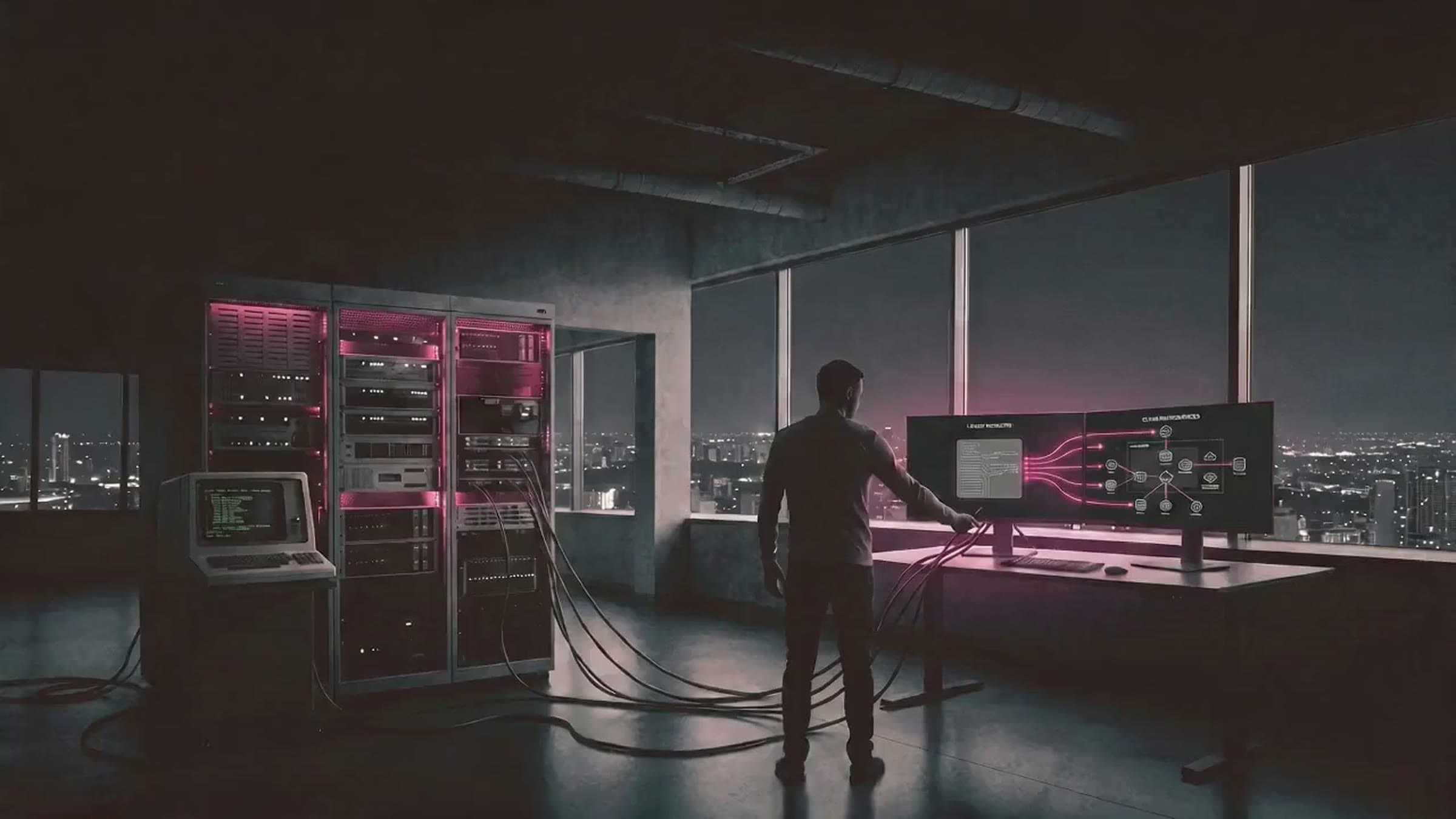



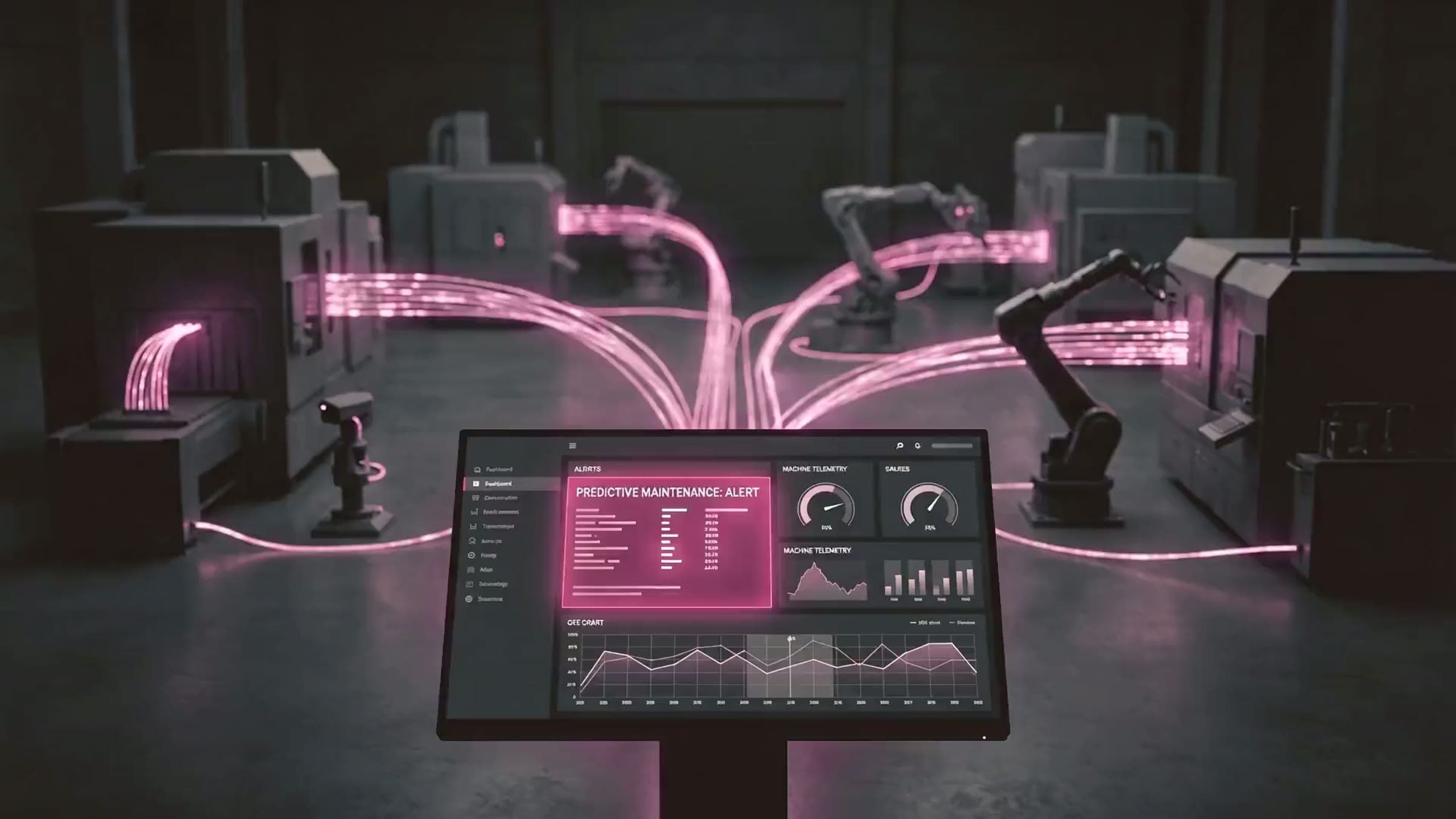

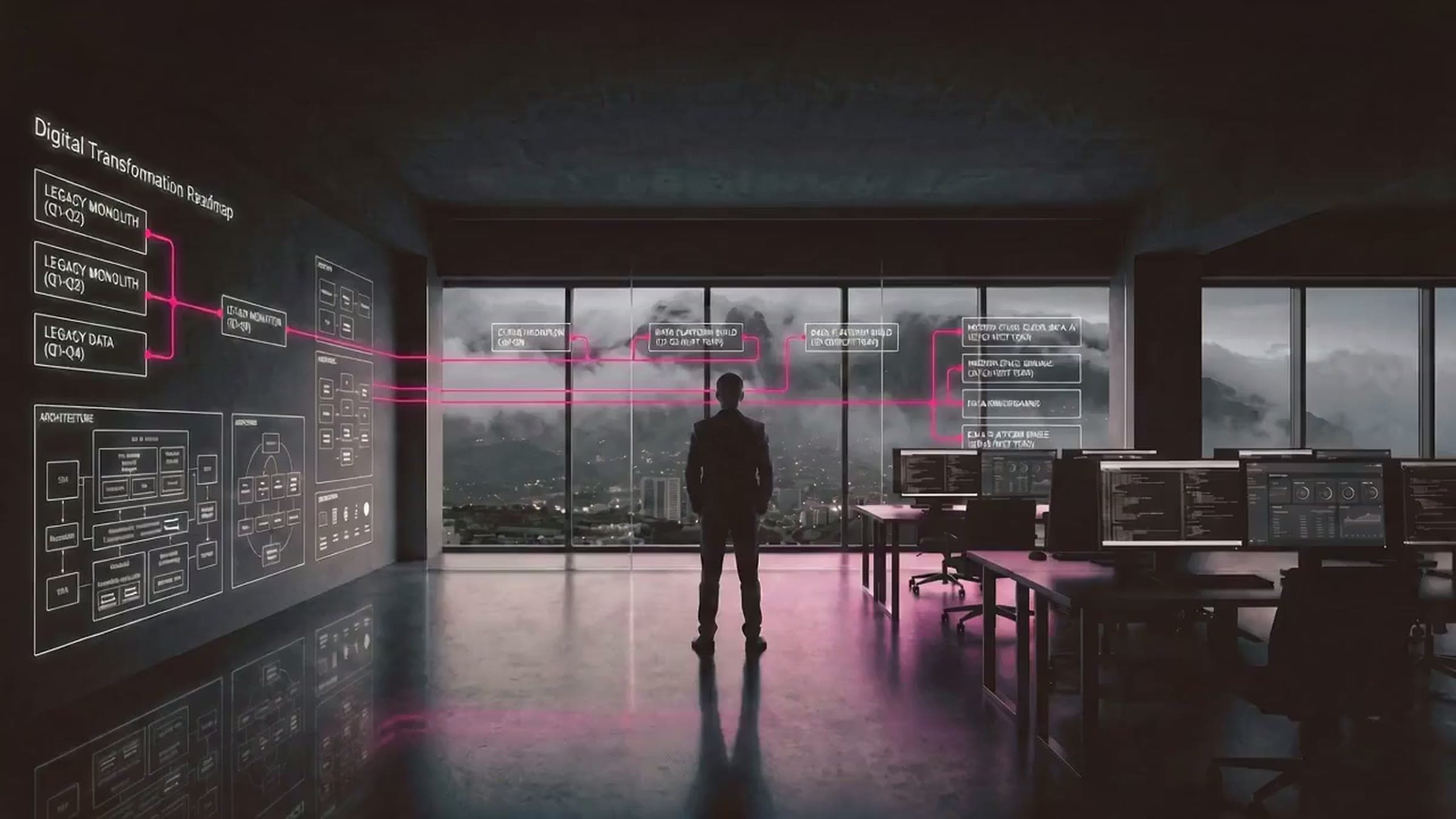






Legacy system modernization is the process of updating outdated software, platforms, or infrastructure — old code, mainframes, aging frameworks — so it runs on modern technology while preserving the business logic that still works. Done right, it cuts risk, cost, and technical debt without disrupting the operations that depend on the system every day.
The hard part isn't the new technology. It's replacing the old system without breaking the business that runs on it. That tension — keep operating while you modernize — is what separates a successful modernization from an expensive rewrite that stalls.
What is legacy system modernization?
A "legacy system" is software that still works but is built on outdated technology: an old mainframe, a COBOL application, a framework no one supports anymore, or a monolith that's expensive to change. Legacy system modernization is the work of bringing that software up to modern standards — on the cloud, with current frameworks, and with clean integration points — while keeping the business logic that took years to get right.
It's not the same as a rewrite. Modernization preserves what works and replaces only what holds you back.
Why modernize? The cost of legacy
Old systems don't fail loudly — they bleed slowly:
- Rising maintenance. Fewer engineers know the old stack, so every change costs more and takes longer.
- Security and compliance risk. Unsupported platforms stop getting patches.
- Integration walls. Modern apps, cloud, and AI can't easily talk to a closed legacy system.
- Slow delivery. A brittle monolith makes every new feature a gamble.
The biggest cost of legacy is usually the cost of doing nothing — it compounds every year you wait.
The main approaches: the 7 Rs
There's no single way to modernize. Practitioners group the options into the 7 Rs, ordered roughly from least to most effort:
| Approach | What it means | Effort / risk |
|---|---|---|
| Retain | Leave it as-is — it still does its job | None |
| Retire | Decommission what's no longer used | Low |
| Rehost | Lift-and-shift to the cloud, no code changes | Low |
| Replatform | Move to the cloud with minor optimizations | Low–Mid |
| Refactor | Restructure the code without changing behavior | Mid |
| Rearchitect | Redesign the architecture (e.g. to microservices) | High |
| Rebuild | Recreate the system from scratch | Highest |
Most real projects mix several Rs: rehost the stable parts, refactor the high-value core, and rebuild only the pieces that truly earn it. The art is choosing the cheapest R that solves the actual problem.
Modernize or rebuild from scratch?
Rebuilding feels clean, but it's the riskiest, most expensive path — and it throws away years of hard-won business logic. Modernize when the system still encodes valuable rules and mostly needs a newer foundation. Rebuild only when the architecture genuinely can't support what the business needs anymore.
The pragmatic answer for most teams: modernize the core, rebuild only the parts that earn it.
How to modernize legacy systems
When people say they want to modernize legacy systems, they usually mean one of the 7 Rs above — but the how matters more than the label. To modernize legacy systems safely, you sequence the work: assess what you have, wrap it in APIs, and replace functionality one slice at a time behind a stable boundary. Modernizing legacy systems this way means the old code keeps running the business while new components take over piece by piece. For a fuller plan, see our legacy modernization strategy and the 7 Rs of modernization approaches.
How to modernize without breaking the business
The failure mode of modernization is the big-bang rewrite — switch everything at once and hope it works. It rarely does. The safer pattern is incremental, often called the strangler fig:
- Assess — map the system and what's high-value versus dead weight.
- Wrap — expose the legacy system in APIs so new components can talk to it.
- Build — add new functionality behind that stable boundary.
- Migrate — move stage by stage, with the ability to roll back at each step.
The legacy system keeps running the whole time. New code replaces old code piece by piece, and the business never goes dark. This is the core of how our legacy system modernization service is structured — incremental, de-risked, and reversible.
Integrating legacy with modern platforms
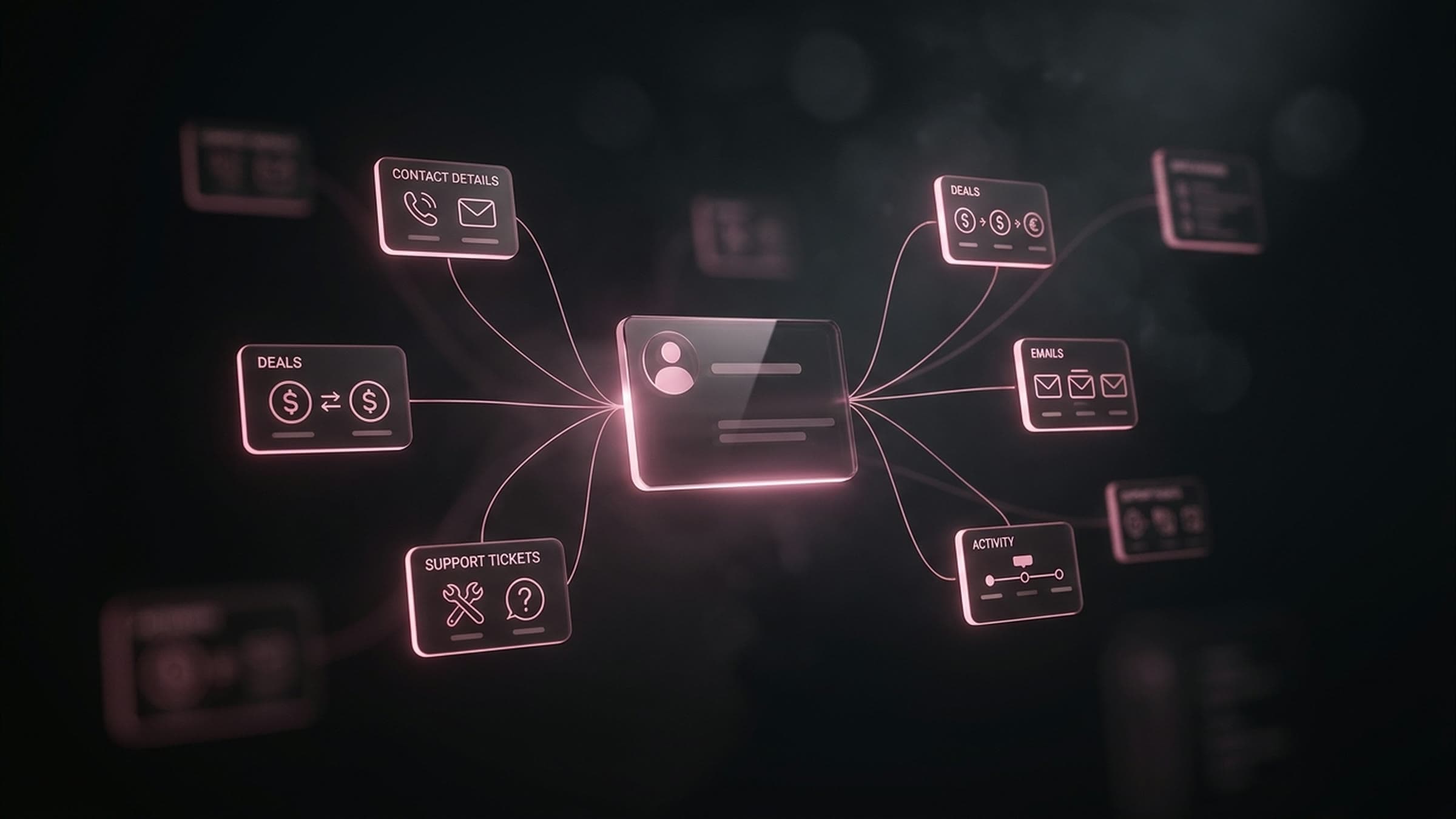
You don't have to choose between "old system" and "new system." Exposing the legacy system through APIs lets modern apps, cloud services, and even AI tools read and write to it today — without touching the fragile old code directly. The legacy system keeps working behind that boundary while it retires gradually. It's the lowest-risk way to get modern capabilities now and buy time to modernize fully.
Why a nearshore partner fits this work
Modernization needs engineers fluent in both worlds — the old stack (COBOL, mainframe, legacy frameworks) and the new one (cloud, modern APIs, microservices). That pairing is rare and expensive onshore. A senior nearshore team in Mexico shares US business hours for the constant back-and-forth this work demands, brings AI-assisted tooling to read and document legacy code faster, and stays leaner than a large enterprise SI. From Monterrey, that's a team in your time zone, not a vendor a day away.
The bottom line
Legacy system modernization is about updating outdated software without losing the business logic that runs on it. Pick the cheapest of the 7 Rs that solves your real problem, modernize incrementally behind a stable API boundary, and rebuild only what earns it. Do that, and you cut cost, risk, and technical debt while the business keeps running — which is the only kind of modernization that's actually worth doing.