








IIoT vs IoT comes down to stakes and environment. IoT is the broad world of connected devices, including consumer gadgets. IIoT — the Industrial Internet of Things — is the subset built for factories, energy, and logistics, where uptime, safety, and data accuracy are non-negotiable and a failure can stop production.
Both share the same DNA: connect physical things to networks and software, then act on the data. The difference is what happens when something breaks — and that difference shapes the hardware, the security, and the whole build.
What's the difference between IIoT and IoT?
- IoT (Internet of Things): the umbrella term for any connected device — smart speakers, thermostats, wearables, doorbells. Optimized for convenience and cost, tolerant of occasional downtime.
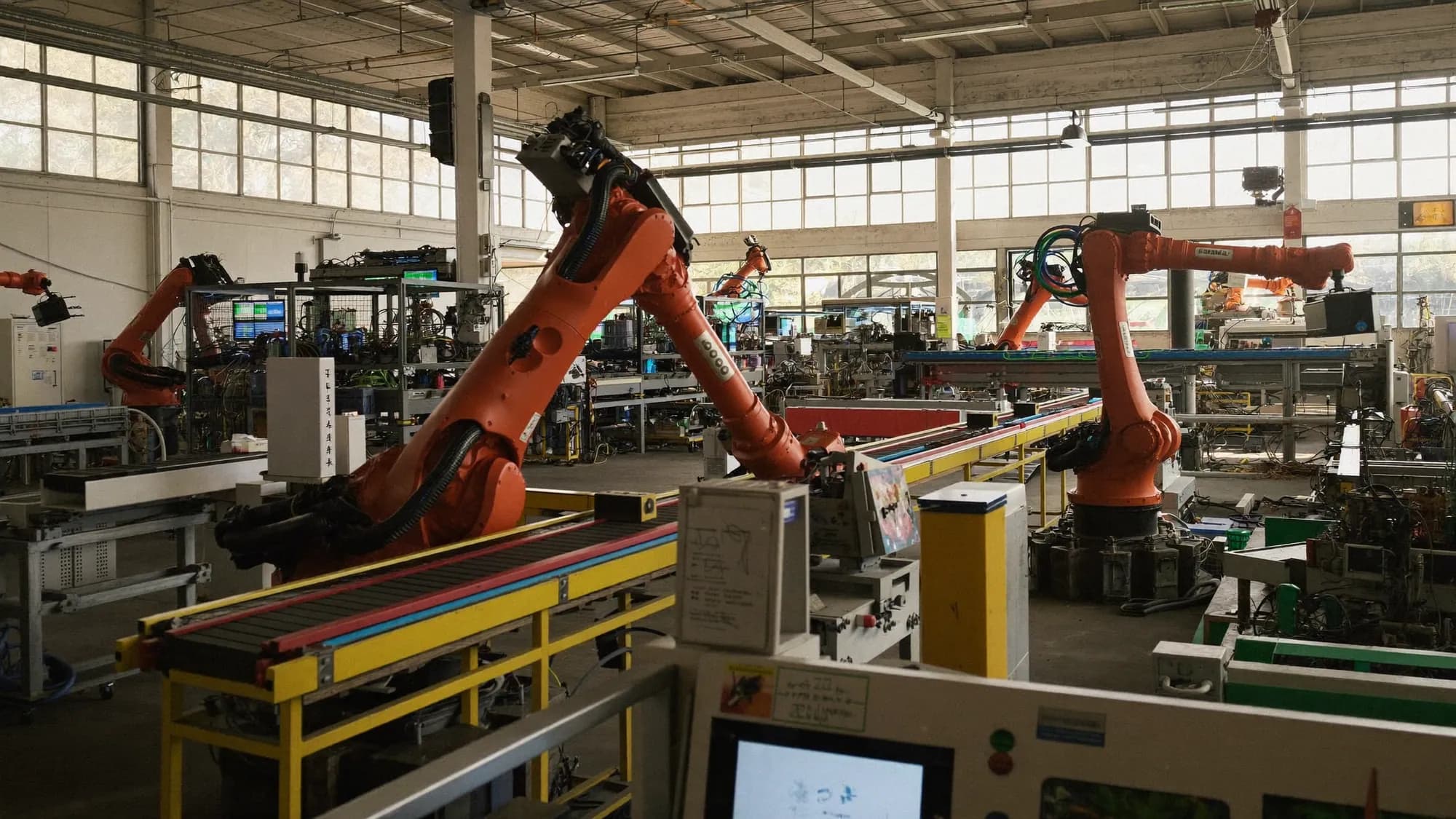
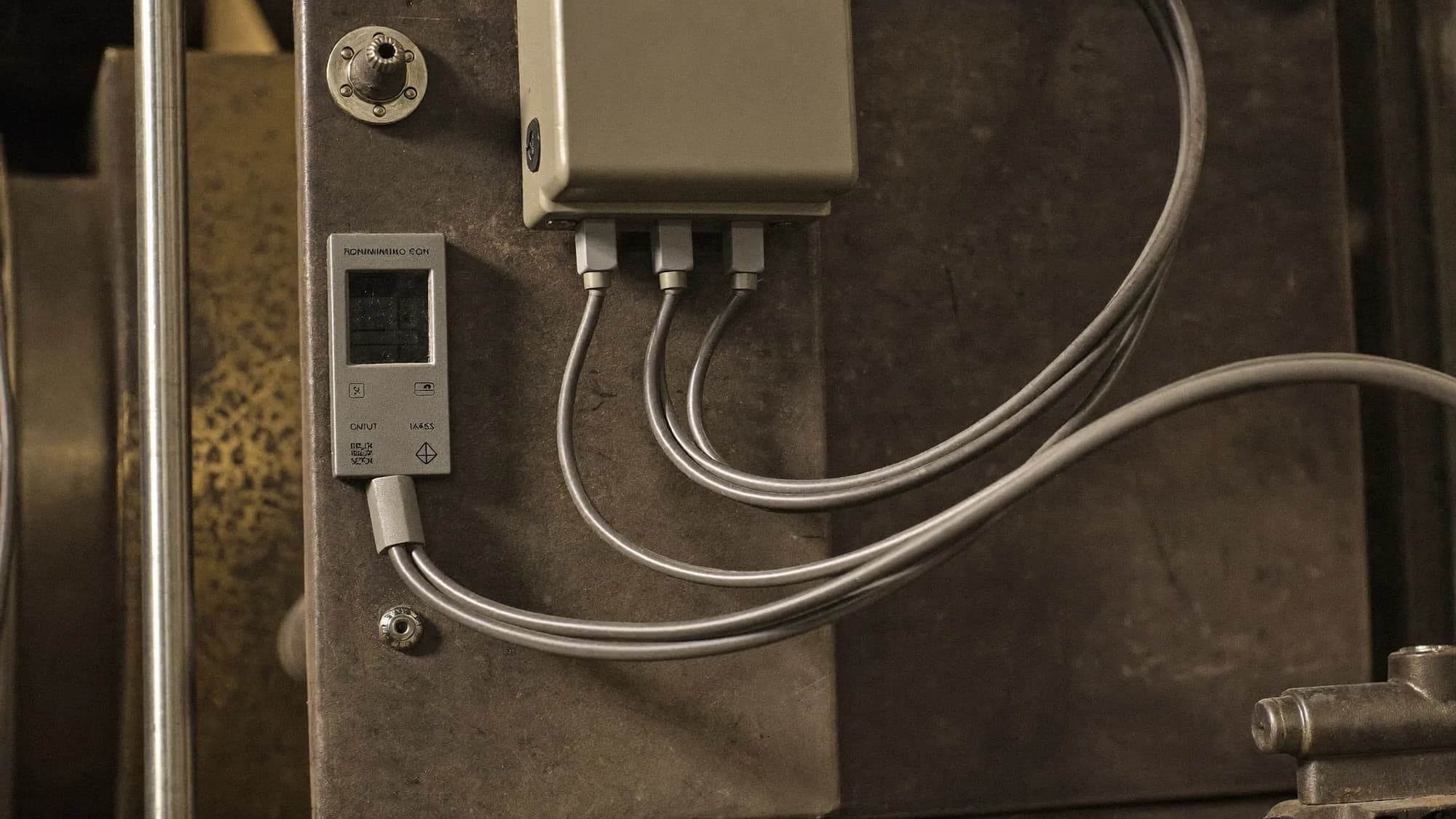
- IIoT (Industrial Internet of Things): the industrial subset — machines, sensors, PLCs, and infrastructure on a factory floor or in an energy grid. Optimized for reliability, safety, and integration with industrial systems.
Put simply: IIoT is IoT with the volume turned up on the consequences. If a consumer device drops offline, you reboot it. If an IIoT system drops offline, a line stops and money burns.
What the Industrial Internet of Things actually covers
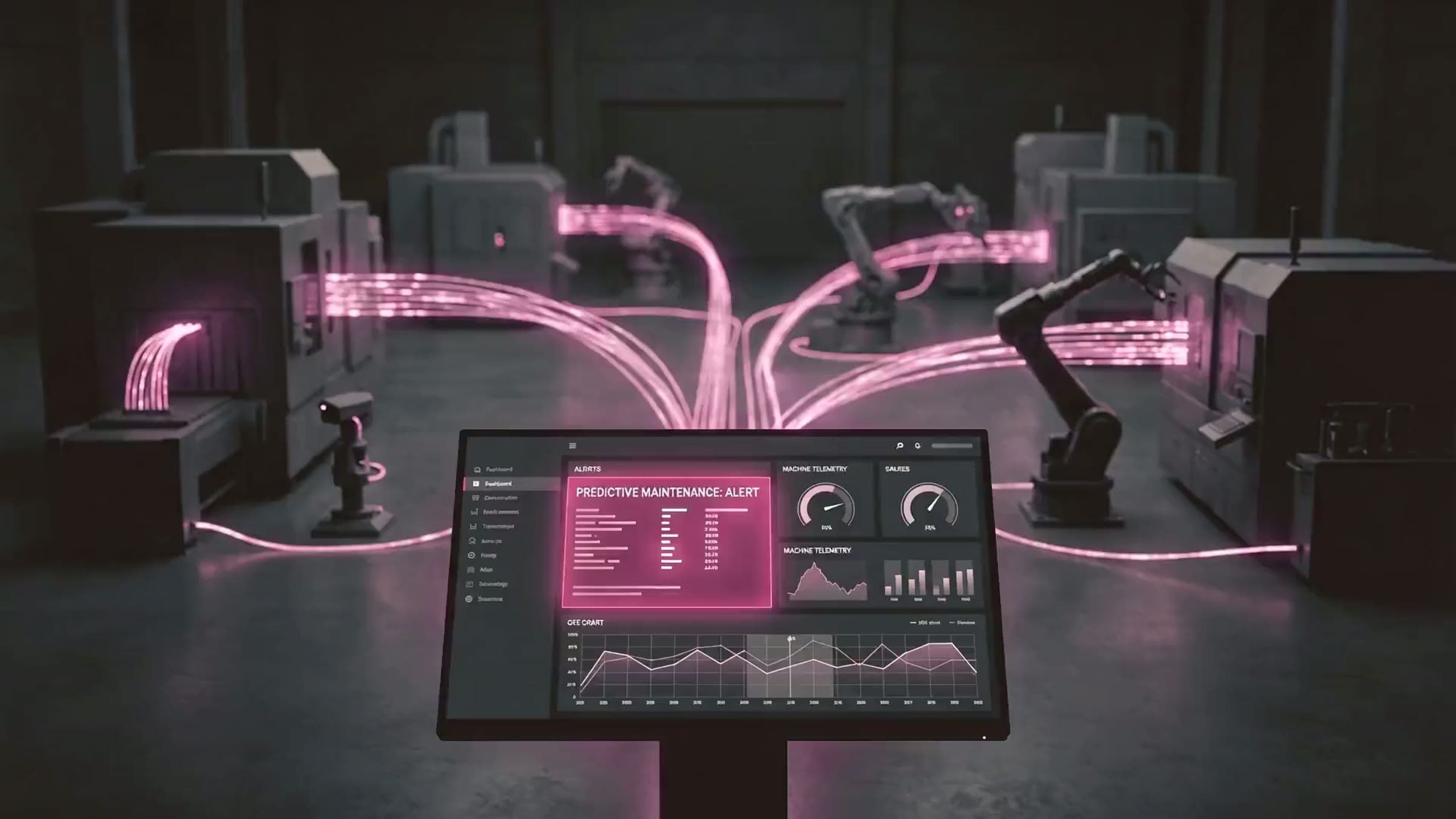
IIoT is short for the Industrial Internet of Things — the application of connected-device technology to manufacturing, energy, utilities, logistics, and facilities. It spans the full stack: industrial sensors and PLCs at the edge, gateways and connectivity that move the data, the platform that stores and visualizes it, and the AI layer that predicts failures. The Industrial Internet of Things isn't one product you buy; it's the software-and-integration layer that turns isolated machines into a connected system you can run on data. That's the part where the value — and most of the engineering — actually lives.
IIoT vs IoT, side by side
The technologies overlap, but the requirements diverge sharply. Here's the comparison that matters when you're scoping a project:
| Consumer IoT | Industrial IoT (IIoT) | |
|---|---|---|
| Environment | Homes, offices, personal | Factories, plants, grids, logistics |
| Stakes of failure | Inconvenience | Downtime, safety, lost production |
| Uptime requirement | Best-effort | Mission-critical / 24-7 |
| Devices | Phones, wearables, smart home | Sensors, PLCs, machines, gateways |
| Security | Lightweight | OT/IT segmentation, hardened edge |
| Integration | App / cloud | ERP, MES, SCADA, historians |
| Data use | Convenience, automation | Predictive maintenance, OEE, analytics |
| Lifecycle | 2-5 years | 10-20+ years |
The pattern: IIoT inherits IoT's plumbing but raises the bar on every dimension that touches production. That's why you can't just bolt consumer-grade components onto a plant floor and call it industrial.
Why the difference matters for your build
The gap between IIoT and IoT is where a lot of factory pilots quietly stall. Three things change once you move from consumer to industrial:
Reliability. IIoT hardware runs for years in heat, vibration, and dust, and it can't silently drop data. The system has to be observable and fault-tolerant by design.
Security. IIoT touches operational technology — SCADA, PLCs, historians — so a breach isn't just a data problem, it's a physical-safety problem. OT/IT segmentation and hardened edge devices are table stakes, not extras.
Integration. Consumer IoT lives in an app. IIoT data is only useful when it flows into the systems your business already runs on — your ERP, MES, or SCADA — so the floor talks to the office in real time.
The IIoT maturity ladder: connect, monitor, predict
Most teams don't fail at IIoT because the sensors don't work — they fail because data sits in a silo nobody uses. The way out is a maturity ladder:
- Connect — wire up existing machines, sensors, and PLCs at the edge.
- Monitor — stream that data into dashboards so the floor is visible in real time.
- Predict — run AI on the data for predictive maintenance, anomaly alerts, and OEE gains.
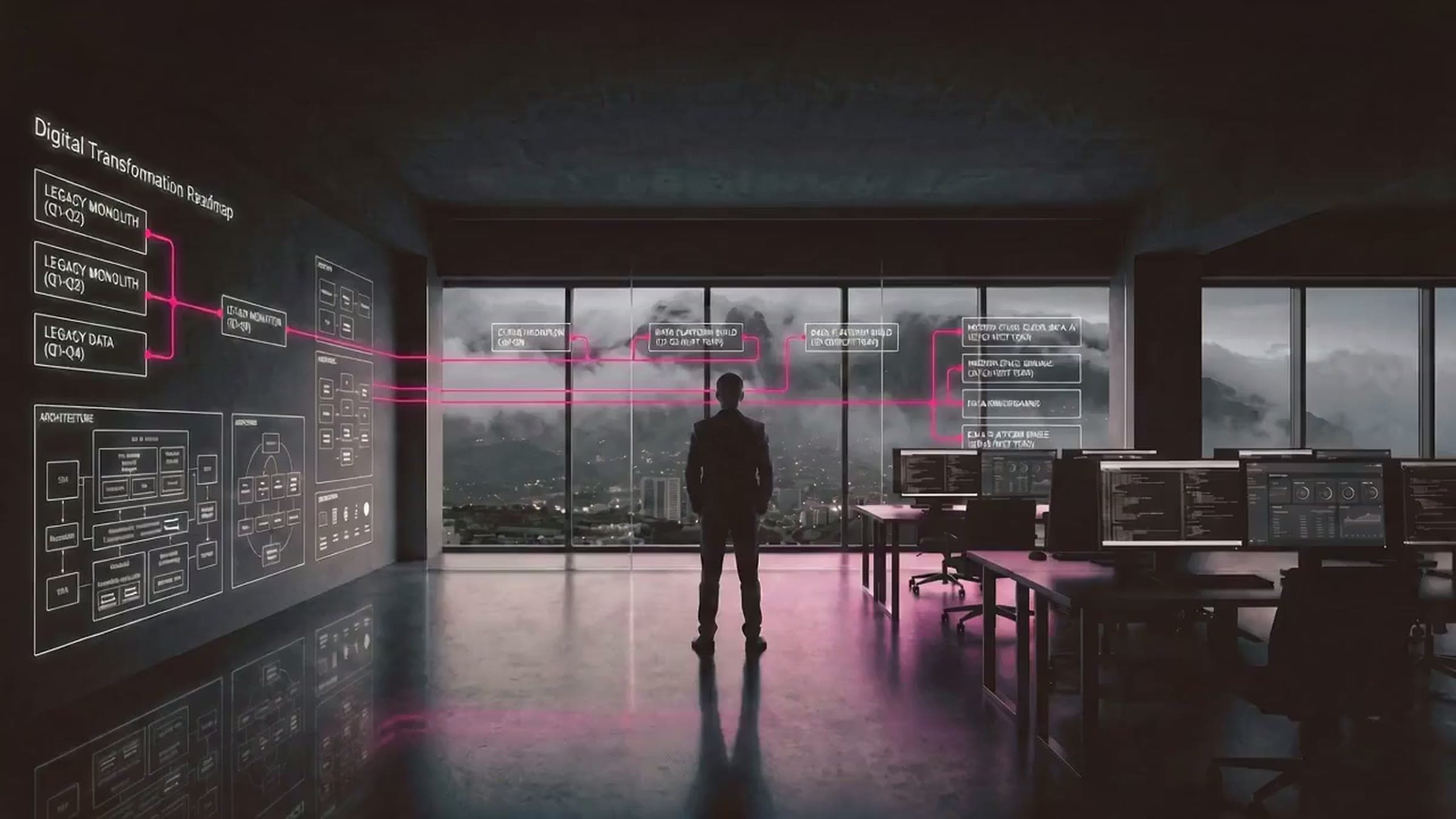
That ladder — connect, monitor, predict — is exactly how our industrial IoT practice scopes a build. It's vendor-neutral software and integration: we connect your existing equipment and clouds rather than selling you hardware, and you own the platform and the data at the end.
Why a nearshore partner fits IIoT work
IIoT projects are iterative and hands-on — you tune sensors, validate data, and refine models against a live plant floor. That back-and-forth needs a team in your time zone, not one twelve hours away. A nearshore partner in Monterrey — in the heart of Mexico's manufacturing belt and on US business hours — can collaborate live, visit the floor on a short flight, and bridge OT and IT without the lag that kills offshore IIoT pilots.
The bottom line
In the IIoT vs IoT question, IoT is the broad category and IIoT is the industrial subset built for environments where downtime, safety, and integration actually cost money. If you're connecting consumer devices, regular IoT is fine. If you're connecting machines, sensors, and PLCs on a factory floor, you need IIoT — engineered for uptime, secured for OT, and integrated with the systems you already run. Start by climbing the connect, monitor, predict ladder, and pick a partner who can build the whole thing with you in real time.