














An industrial IoT project typically costs from the low tens of thousands of dollars for a scoped pilot to six figures for a production platform that connects a full line or plant. The price is driven by how many machines you connect, how deep the analytics go, and whether a US, nearshore, or offshore team builds it.
Industrial IoT (IIoT) cost is rarely a single number — it's a stack of decisions. This guide breaks down what each layer actually costs in 2026, why projects go over budget, and how building nearshore in Mexico changes the math.
What drives industrial IoT cost?
The hourly rate on a proposal is the smallest part of the story. Four factors move the total cost of an IIoT project far more than the rate does:
- Assets connected. Wiring up 5 machines is a pilot; wiring up a 200-asset plant is a platform. Cost scales with sensors, gateways, and connectivity.
- State of your hardware. Modern PLCs with open protocols are cheap to read. Older machines need edge devices and protocol work — that's where budgets grow.
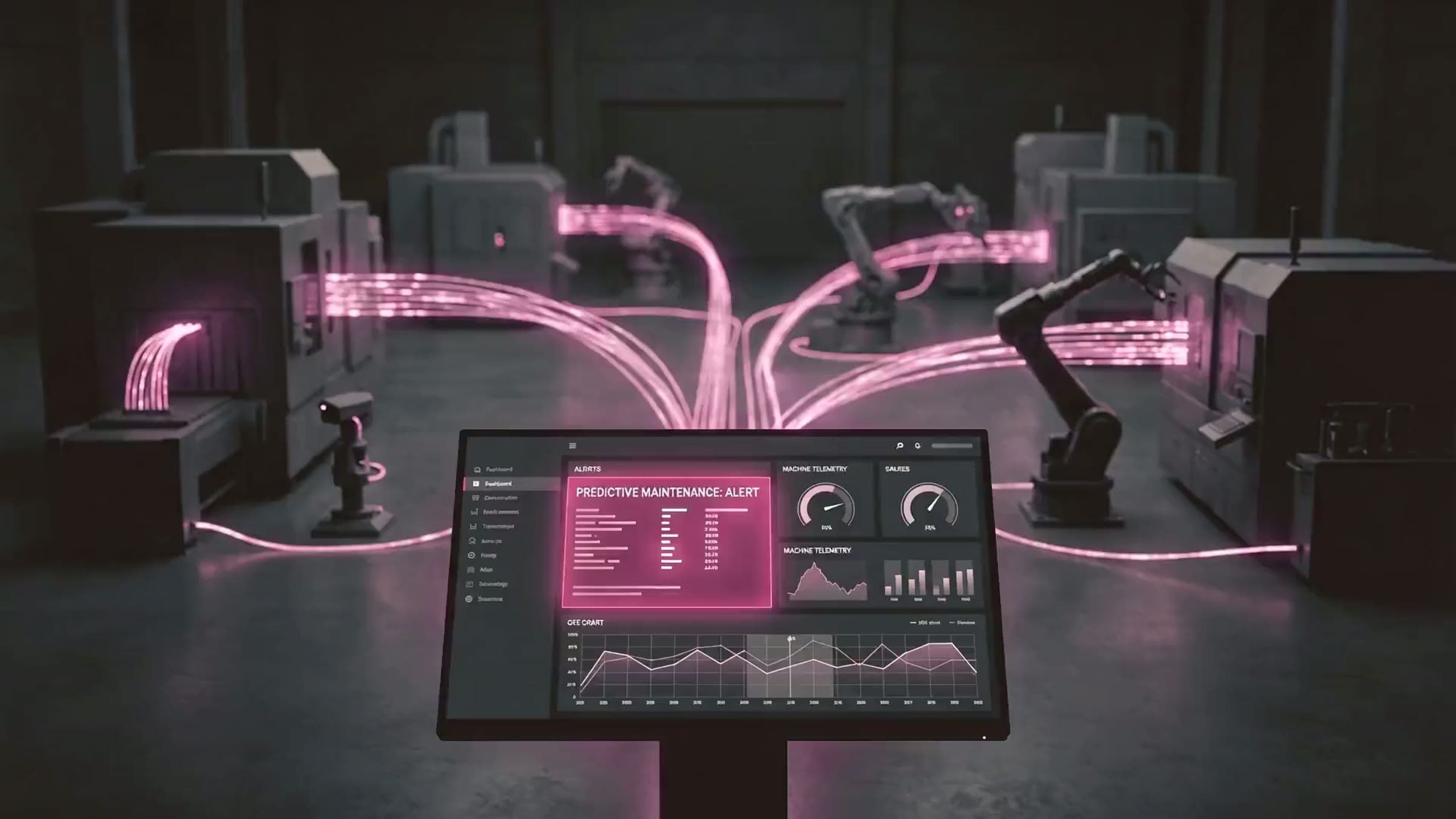
- Software depth. Live dashboards are one tier. AI predictive maintenance and anomaly detection on your factory data are another, more involved one.
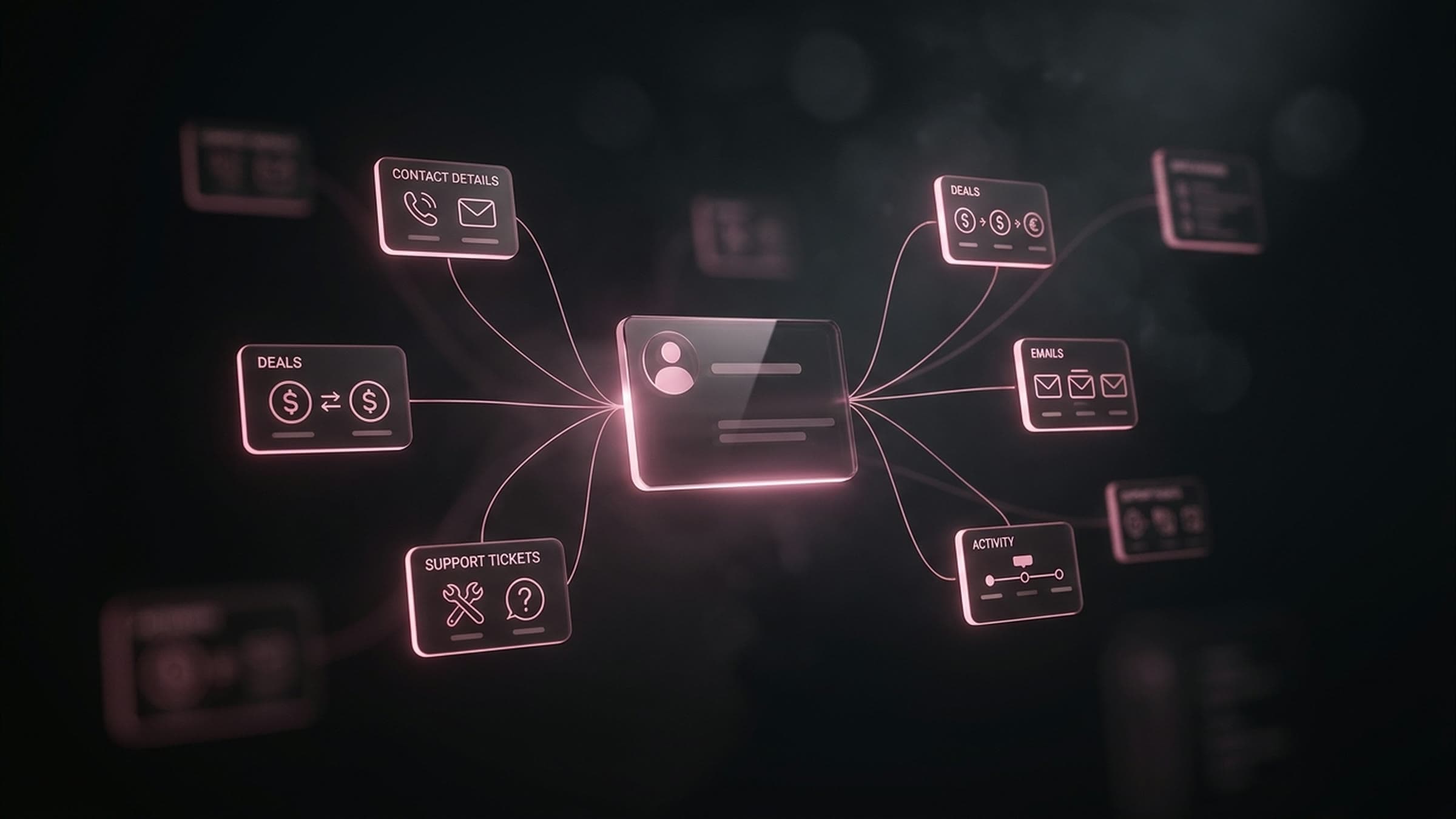
- Integration. Plugging into your ERP, MES, SCADA, or historian turns a data silo into a system the plant actually runs on — and it has to be scoped early.
Industrial IoT cost breakdown (2026)
Here's how the layers typically stack up. Figures are directional build cost for a US buyer working with a senior nearshore team — your hardware and scope will move them.
| IIoT layer | What it covers | Typical build cost | Cost driver |
|---|---|---|---|
| Pilot / proof-of-concept | A few machines, basic dashboards, one cloud | $20K–$60K | Number of assets |
| Connectivity & edge | Gateways, protocol work, getting data off the floor | $15K–$80K+ | Age of your hardware |
| IoT platform & cloud | Data pipeline, storage, dashboards at scale | $80K–$300K+ | Plant size, scale needs |
| Predictive maintenance / AI | ML models, anomaly alerts, agentic monitoring | $30K–$120K | How clean your data is |
| ERP/MES/SCADA integration | Wiring IIoT data into systems you run on | $25K–$150K+ | Number of systems |
| Cloud & support (ongoing) | Hosting, monitoring, iteration | $2K–$15K / month | Data volume, SLA |
The pattern: the pilot is the cheap part. The real cost — and the real value — is in scaling that pilot to the whole plant without a rebuild, then adding the analytics layer that turns data into fewer breakdowns.
Pilot / proof-of-concept
$20K–$60K
a few machines, basic dashboards, one cloud
Production platform
$80K–$300K+
data pipeline and dashboards at plant scale
Predictive maintenance / AI
$30K–$120K
ML models and anomaly alerts on your data
How much does predictive maintenance cost to add?
Predictive maintenance is a software and data layer that sits on top of an existing IIoT platform. If your machines already stream clean data, adding anomaly detection and ML models is a contained engineering effort. If you're starting from bare machines, most of the cost lives in the connectivity work underneath — not the AI. In other words: the model is rarely the expensive part; getting trustworthy data to feed it is.
Why industrial IoT projects go over budget
Most IIoT overruns come from the same place — a pilot that never scales. A proof-of-concept gets approved, then the architecture can't grow to the full plant without being rebuilt, and you pay twice. Two other budget-killers: integration with ERP/MES/SCADA scoped too late, and data that gets collected but never acted on. The fix is architectural, not financial: design for scale and integration on day one, and only build what someone on the floor will actually use.
How nearshore changes the math
Where you build an industrial IoT platform changes the all-in cost as much as what you build. The rate you pay an IoT development company or an IoT consulting services firm swings widely by region: a US onshore shop is the most expensive, an offshore team in India advertises the cheapest hourly rate, and nearshore Mexico sits in between on rate but usually wins on total cost. Senior nearshore engineering rates in Mexico sit well below US in-house or onshore-agency rates, while keeping full US time-zone overlap.
That total-cost gap is the part the hourly rate hides. An India-based build can look 30–40% cheaper per hour, but a 10–12-hour time-zone offset means questions about a plant's PLCs or a sensor anomaly wait a full day for an answer — and on a live factory floor that lag turns into rework, missed context, and a pilot that drifts. The nearshore-vs-India math comes out in Mexico's favor once you count the rework, not just the rate.
That overlap matters more for factory work than for almost anything else: IIoT builds need live collaboration with plant staff, maintenance teams, and your IT — questions that get answered the same morning, not the next day. From Monterrey, in the heart of Mexico's manufacturing belt, a team works your hours and can be on a plant floor without a long-haul flight. That's the positioning behind our industrial IoT service — vendor-neutral software and integration, built nearshore, where you own the platform and the data.
The bottom line
Budget industrial IoT cost in layers, not as one number: a pilot starts in the low tens of thousands, a production platform runs into six figures, and predictive maintenance is an add-on whose price depends on the data you already have. The biggest savings don't come from the cheapest hourly rate — they come from designing for scale and integration up front, and from building nearshore so the people who run the plant and the people who build the platform are awake at the same time.