






















IoT predictive maintenance uses sensors on your equipment and AI to predict when a machine is about to fail — and schedules the repair before it breaks. Instead of fixing things on a fixed calendar or after a breakdown, you act on the machine's real condition, which cuts unplanned downtime and wasted maintenance.
That shift — from reactive and calendar-based to condition-based and predicted — is the whole point. Downtime is the most expensive thing on a factory floor, and predictive maintenance is the clearest place where industrial IoT pays for itself.
How does IoT predictive maintenance work?
It runs as a four-step loop on top of your existing machines:
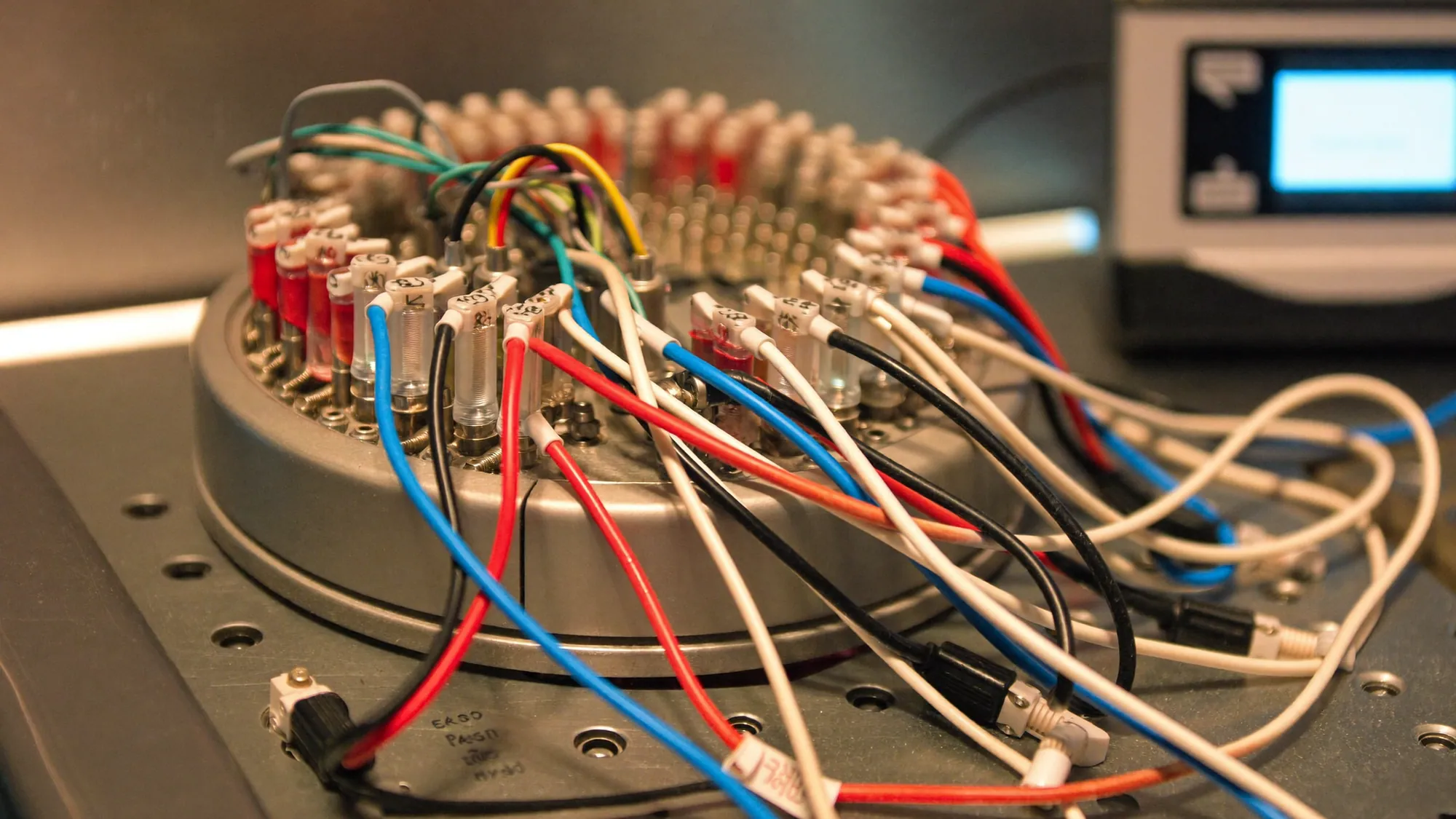
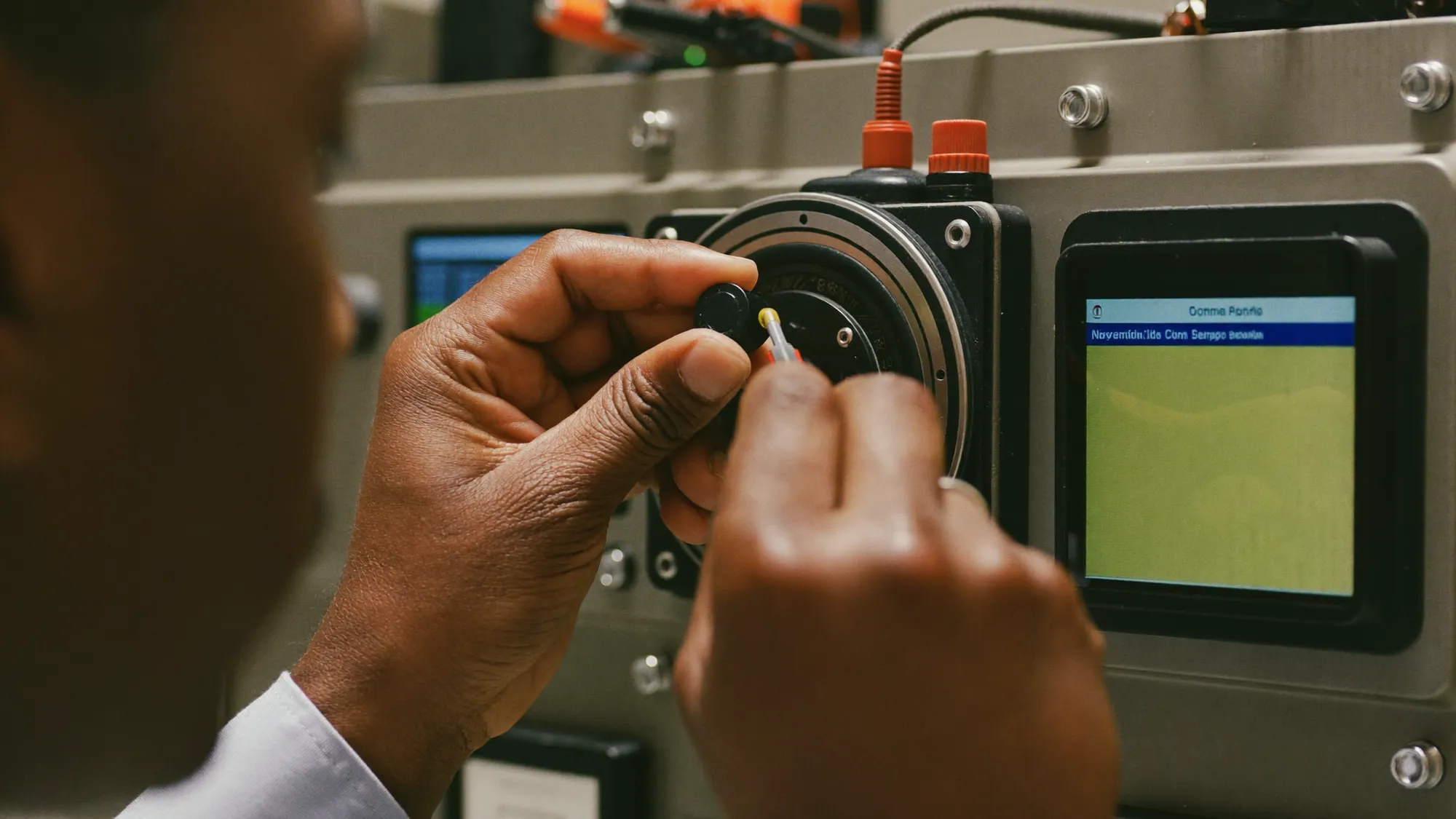
- Sense — Sensors capture vibration, temperature, current, pressure, or acoustics, often retrofitted or pulled from your PLCs and SCADA.
- Connect — An IoT gateway streams that data to a platform in real time via MQTT, edge processing, and cloud ingest.
- Learn — AI models build a baseline of each machine's normal behavior, then detect anomalies and estimate remaining useful life.
- Act — When a model predicts a failure, it raises an alert and feeds a work order into your maintenance system before the part breaks the line.
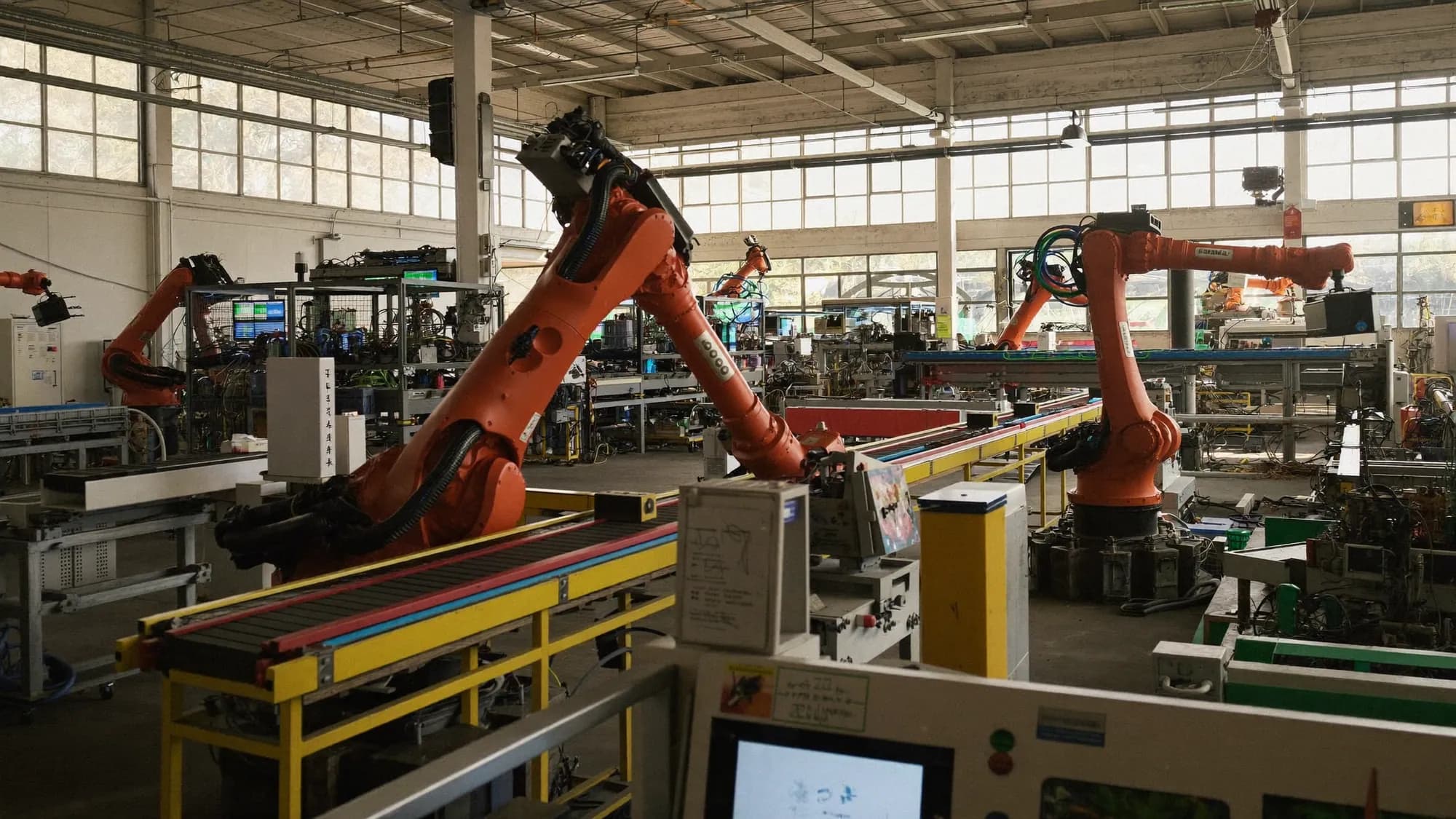
The machines don't change. The intelligence sits on top of them.
Predictive vs preventive vs reactive maintenance
Most plants run a mix of all three. The difference is when you act and what triggers it:
| Reactive | Preventive | Predictive (IoT + AI) | |
|---|---|---|---|
| Trigger | After it breaks | Fixed schedule | Real condition + AI prediction |
| Unplanned downtime | Highest | Medium | Lowest |
| Wasted parts/labor | Low | High — healthy parts swapped early | Low |
| Data needed | None | Maintenance calendar | Live sensor data + models |
| Best for | Non-critical assets | Stable, well-understood gear | Critical, high-downtime assets |
Reactive is cheapest to set up and most expensive when the line stops. Preventive avoids surprises but wastes parts and labor on equipment that was fine. Predictive targets the failures that actually matter — and only those.
What it takes to cut downtime
You don't need a full smart-factory program to start. A focused IoT predictive maintenance build needs:
- The right assets first. Start with the equipment whose failure costs the most per hour — not every machine on the floor.
- Good sensor data. Either retrofit sensors or use what your PLCs/SCADA already produce. Garbage in, garbage out applies to AI doubly.
- A platform you own. Connectivity, edge, storage, and dashboards on your cloud — not a black-box product you rent.
- AI tuned to your data. Anomaly detection and failure-time models trained on your machines and your confirmed failures, not a generic template.
- Integration. Alerts that flow into your ERP, MES, or CMMS so a prediction becomes a scheduled work order, not a dashboard nobody watches.
That last point is where most pilots stall — they monitor, but never close the loop into action.
Predictive maintenance ROI: what it saves
The reason predictive maintenance is the flagship industrial IoT use case is simple — the return is measurable and it shows up fast. Here's where the savings come from when condition monitoring and anomaly detection replace fixed-calendar servicing:
- Less unplanned downtime. Catching a failing bearing or motor days early turns a midnight line-stop into a planned 20-minute swap. Unplanned downtime is the single most expensive event on most floors, so this is usually the biggest line item.
- Longer asset life. Acting on real condition instead of a fixed schedule means healthy parts stay in service and worn ones come out before they damage the equipment around them.
- Lower maintenance labor and parts. You stop swapping good components "just in case," which preventive schedules force you to do.
- Higher OEE and throughput. Fewer surprise stoppages means more available, productive runtime from the same machines.
- Better safety and fewer secondary failures. Anomaly detection flags the small fault before it cascades into a catastrophic one.
The honest version: results scale with data quality and how critical the asset is. Predictive maintenance on a non-critical, well-understood machine may barely beat preventive; on a high-downtime bottleneck asset, the payback can land in the first prevented breakdown. That's why you start with your most expensive-to-lose equipment, not the whole floor.
Why nearshore predictive maintenance projects move faster
IoT predictive maintenance is iterative: models improve as engineers and your maintenance crew compare predictions against what actually broke. That feedback loop only works when both teams are awake at the same time. A nearshore team in Monterrey — in the heart of Mexico's manufacturing belt and on US business hours — can join a live troubleshooting call, review last night's anomalies, and adjust a model the same day. Monterrey sits a short flight (and ~140 miles) from the US border, so on-site sensor work and plant kickoffs are practical, not a two-day trip.
WeEvolveIT builds this layer vendor-neutral: we connect your existing machines, sensors, and clouds, run AI on your factory data, and hand you a platform you own outright — no lock-in to a proprietary IIoT product.
The bottom line
IoT predictive maintenance is the fastest-paying industrial IoT use case because it attacks your single biggest cost: unplanned downtime. Start with your most expensive-to-lose assets, get clean sensor data flowing, train AI on your own machines, and close the loop into your maintenance system. Done with a nearshore team on your hours and in a manufacturing hub, you get condition-based, AI-predicted uptime — and a platform that stays yours.