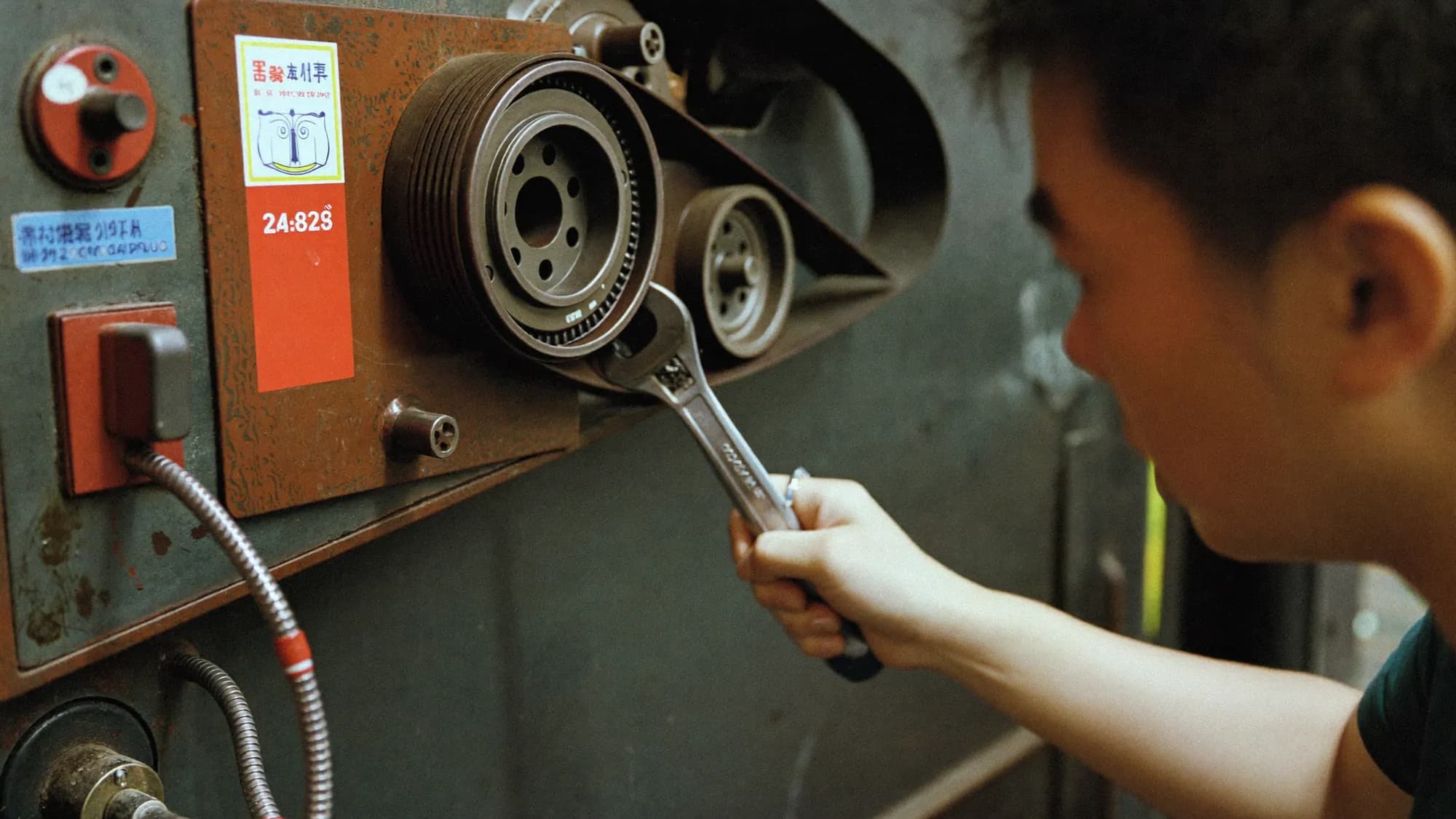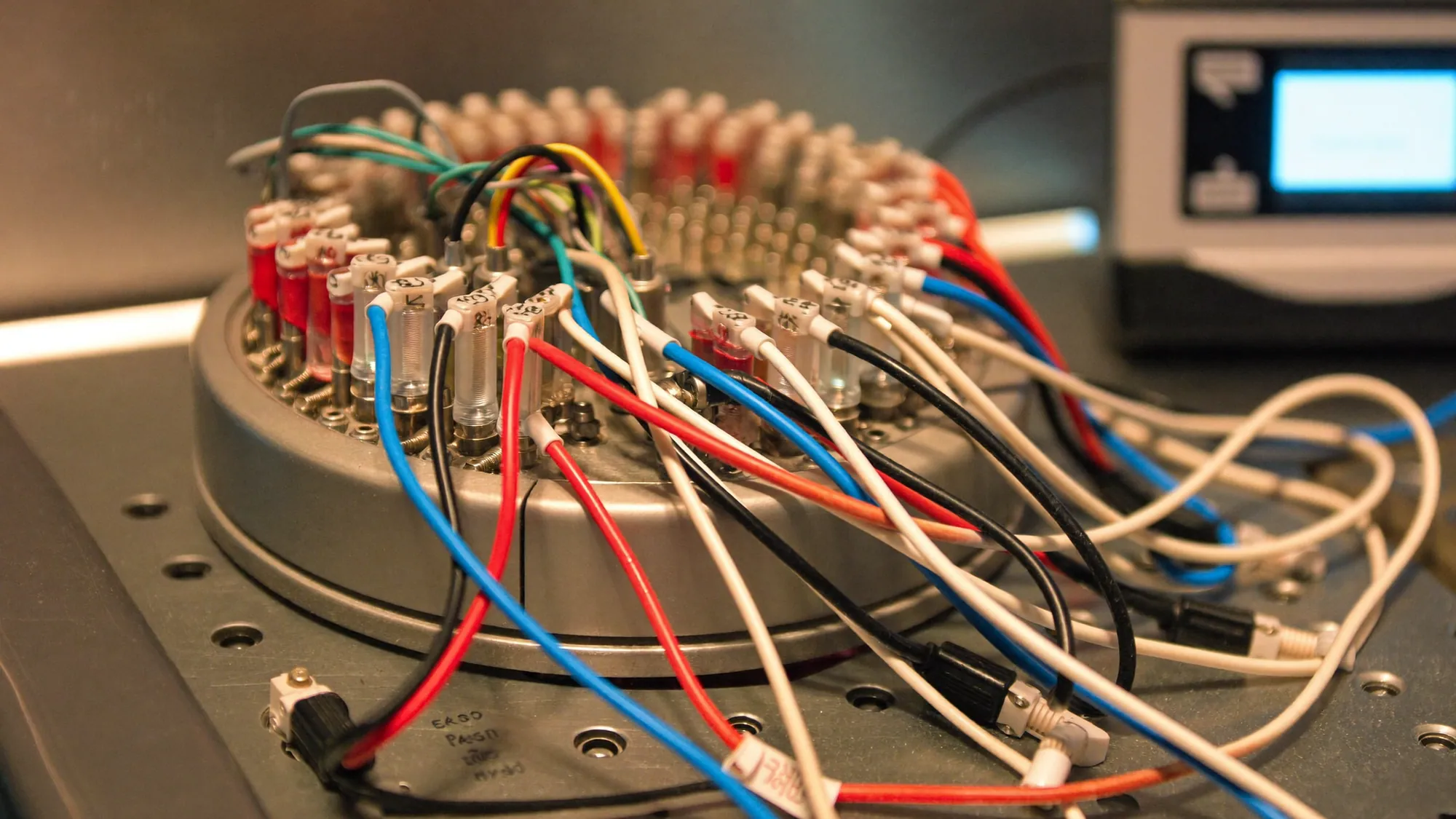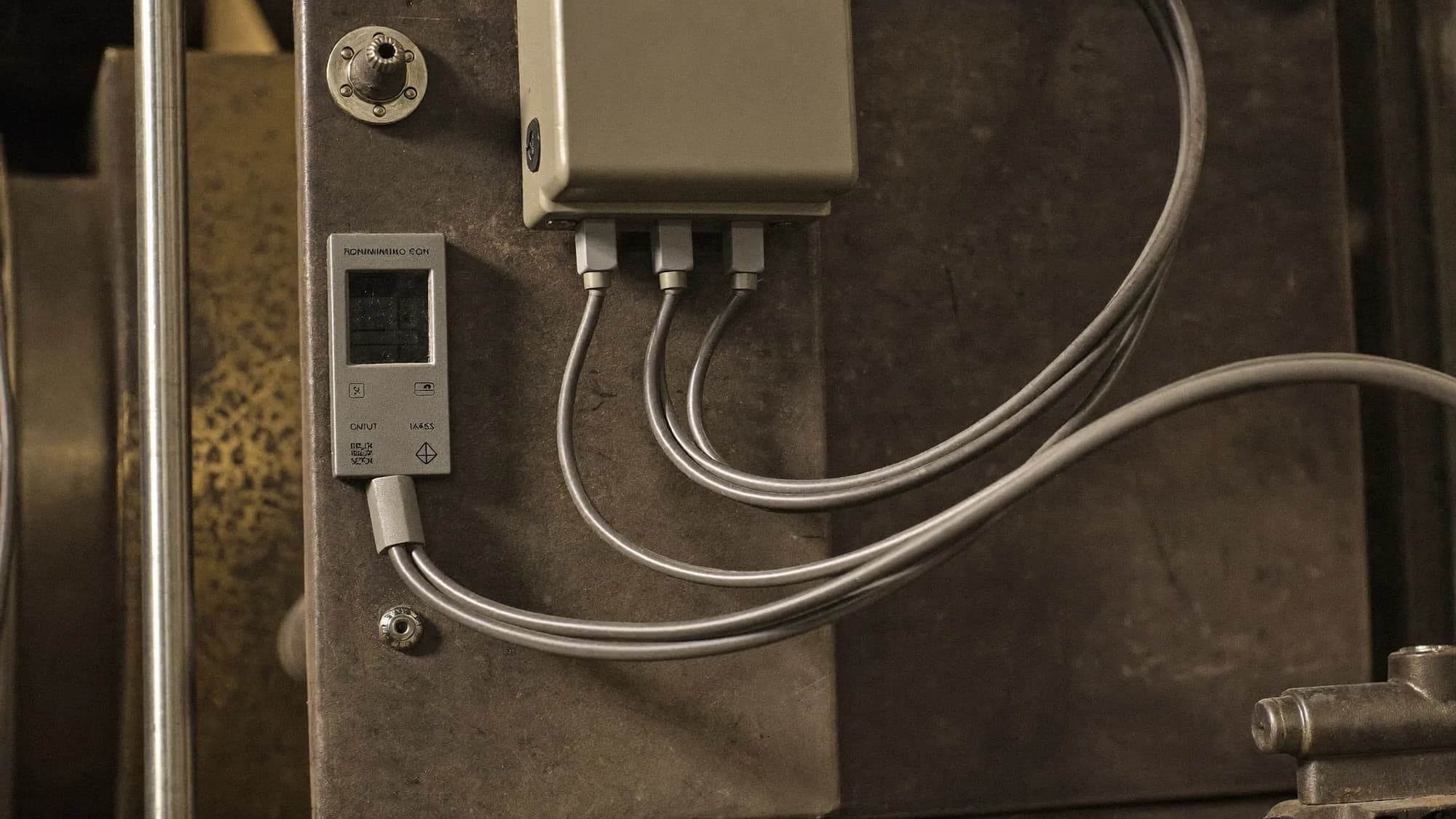

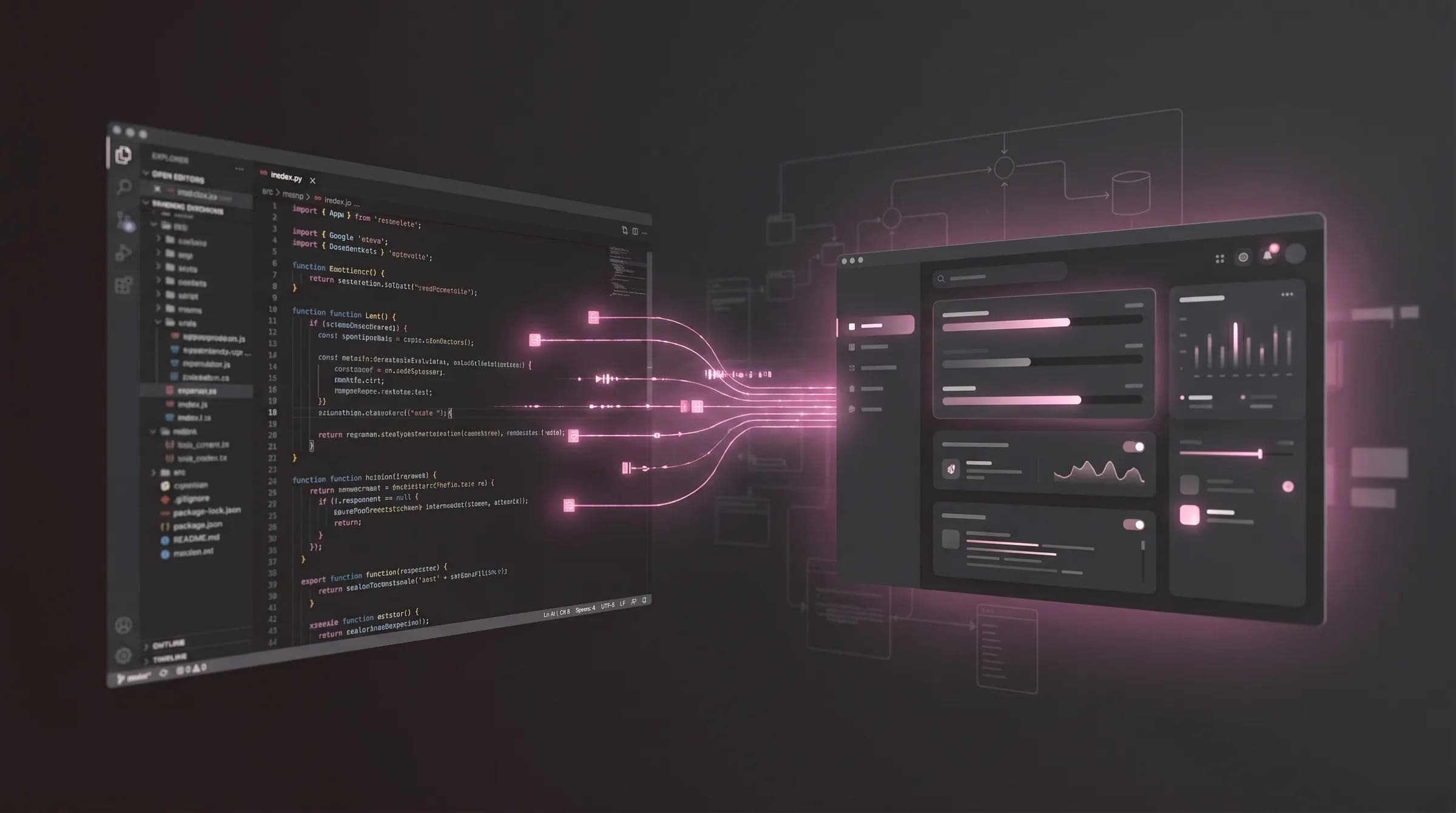














An Industry 4.0 smart factory connects your machines, sensors, and systems so production data flows in real time and software can act on it — monitoring the floor, flagging anomalies, and predicting failures before they cause downtime. Industry 4.0 is the broader shift; the smart factory is what it looks like on your floor.
The good news for most manufacturers: you don't get there with a rip-and-replace. You get there one connected line at a time. This roadmap lays out the phases in the order that actually works — and the order that keeps your first investment small.
What "Industry 4.0" actually means on the floor
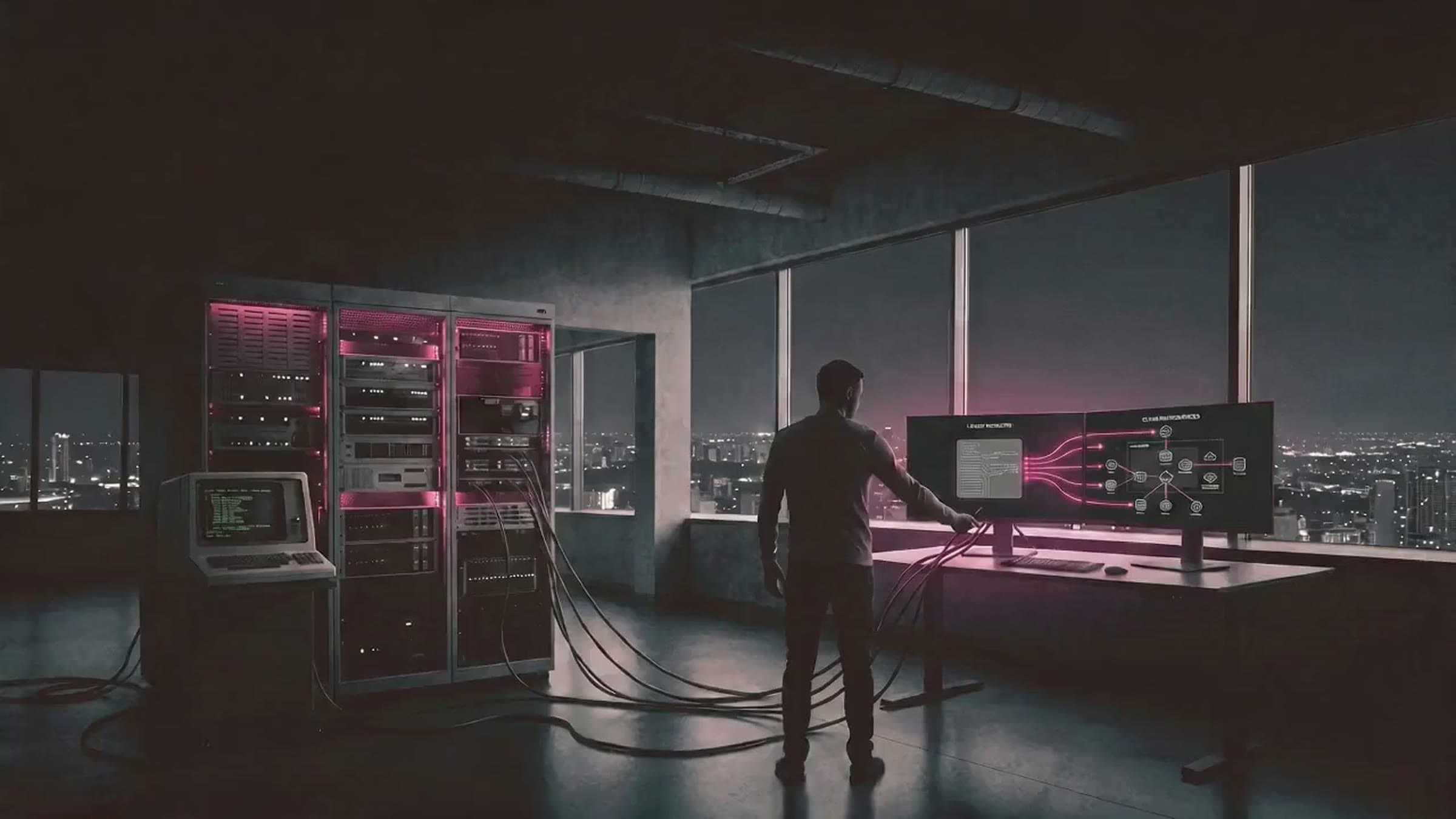
Strip away the buzzwords and Industry 4.0 is a maturity ladder: connect → monitor → predict. First you connect machines so data leaves the floor. Then you monitor that data in dashboards so people can see what's happening. Then you layer AI on top to predict failures and automate decisions.
A smart factory is simply a plant that has climbed that ladder far enough that it watches and improves itself. You don't need to reach the top to get value — most of the ROI shows up the moment you can see your line in real time.
Industry 4.0 technologies and examples
The term covers a stack of technologies, but you don't adopt them all at once. The ones that drive a smart factory rollout, in the order most plants reach them:
- Industrial IoT (IIoT) — sensors, gateways, and connectivity that get machine data off the floor. This is the foundation every other technology sits on.
- Big data and cloud analytics — storing and making sense of that machine data at scale, in your own cloud.
- AI and predictive maintenance — models that detect anomalies and forecast failures before they stop the line.
- Digital twins and simulation — a live virtual model of a line or process to test changes before touching the real floor.
- Autonomous robots and AR — cobots on the line and augmented-reality guidance for maintenance and assembly.
A concrete example: an auto-parts supplier retrofits vibration sensors on its stamping presses (IIoT), streams the data to a cloud dashboard (analytics), and trains a model that flags a failing press two days out (AI). That single line is a working smart factory in miniature — and the template you repeat across the plant.
What a smart factory looks like once it's running
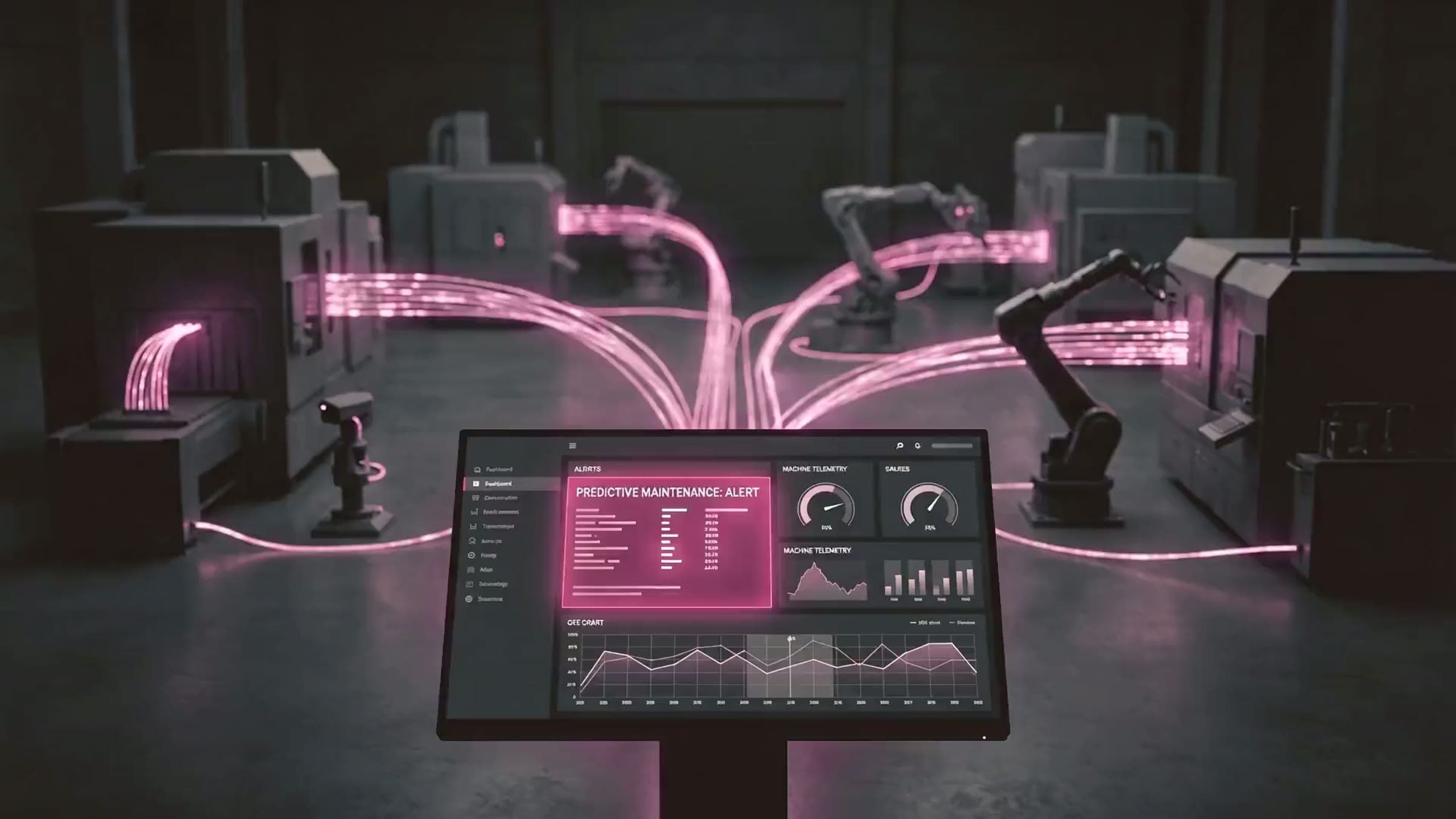
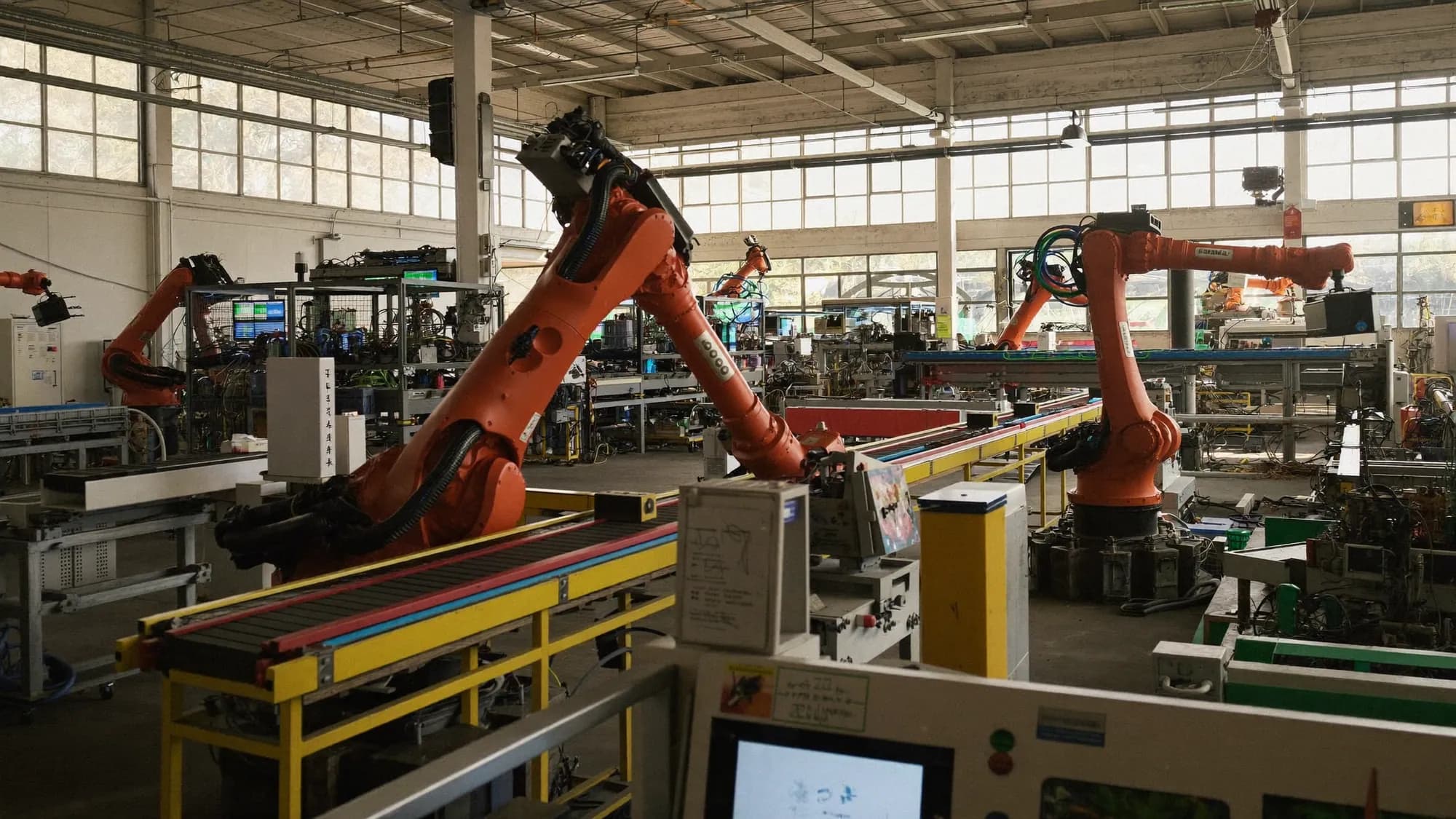
A mature smart factory doesn't just collect data — it acts on it. Operators see live OEE on the line, maintenance gets a work order before a machine fails, and the floor's data flows straight into the ERP and MES the business already runs on. The plant effectively watches and corrects itself, with people focused on the decisions software can't make.
Why most smart factory projects stall
The pattern is familiar: a pilot connects a few machines, builds an impressive dashboard, gets a round of applause — and then never scales. Three things kill it:
- No business metric. The pilot proves a technical idea but isn't tied to downtime, scrap, or OEE, so there's no case to fund phase two.
- Data nobody uses. Sensors stream numbers into a database that no operator or manager ever opens.
- Platform lock-in. The factory gets trapped inside a black-box vendor platform it doesn't own and can't extend.
A good roadmap is really a plan to avoid all three. Start with a measured problem, put the data in front of the people who own that problem, and keep the platform in your own cloud.
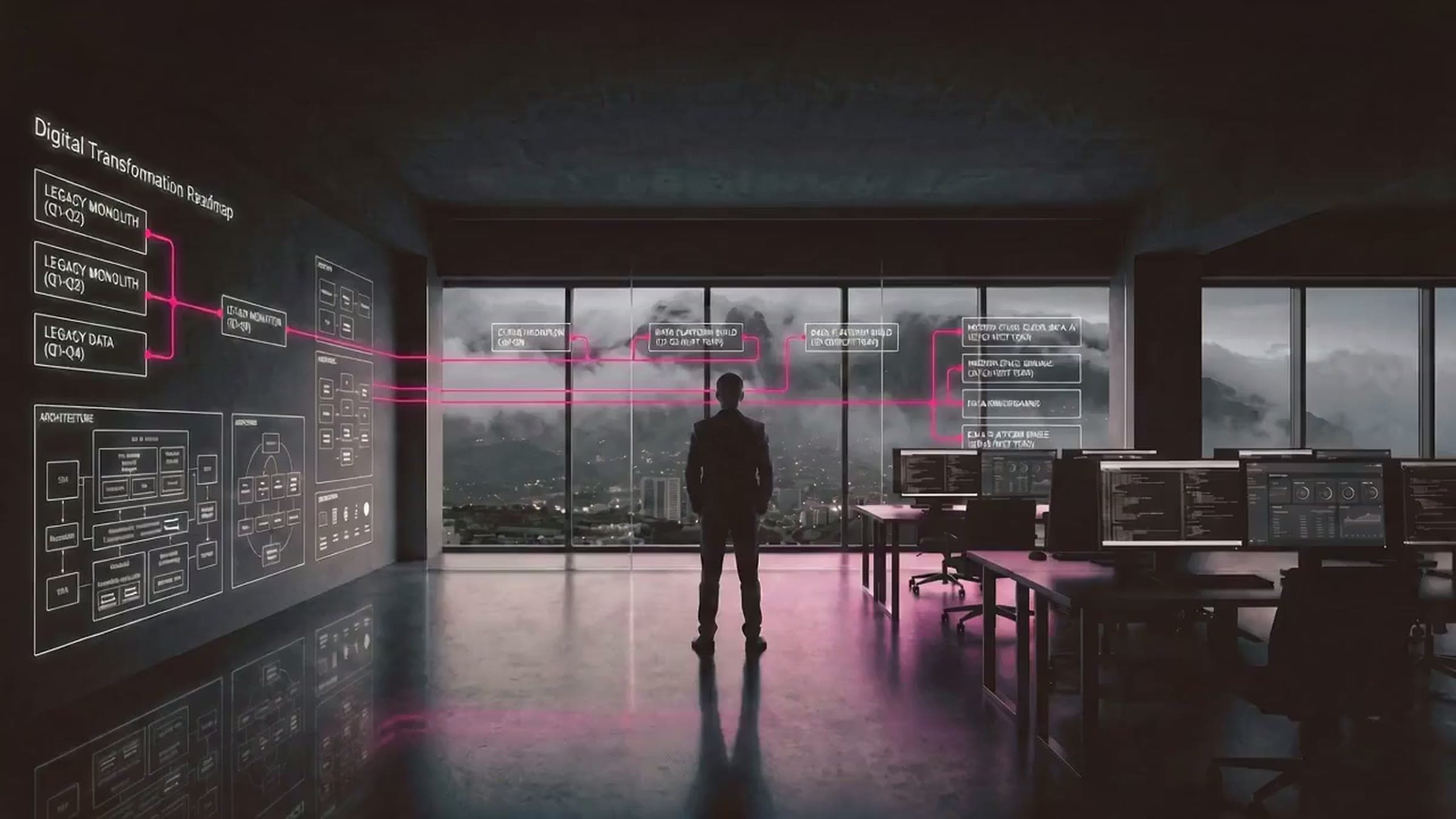
The roadmap: 4 phases from disconnected to smart
- Connect — Retrofit edge gateways onto existing PLCs so machine data leaves the floor.
- Monitor — Stream the data into one dashboard and track OEE, uptime, and scrap.
- Predict — Apply AI to detect anomalies and forecast failures before the line stops.
- Integrate & scale — Wire data into ERP/MES/SCADA and roll out line by line.
| Phase | What you do | What you get | Typical timeline |
|---|---|---|---|
| 1 · Connect | Retrofit edge gateways onto existing PLCs and add sensors where needed | Machine data leaving the floor | Weeks |
| 2 · Monitor | Stream data into one dashboard; track OEE, uptime, scrap | Real-time visibility, first quick wins | Weeks–months |
| 3 · Predict | Apply AI to detect anomalies and forecast failures | Predictive maintenance, less downtime | Months |
| 4 · Integrate & scale | Wire data into ERP/MES/SCADA; roll out line by line | A self-monitoring smart factory | Ongoing |
Phase 1 — Connect one line, not the whole plant
Pick a single line — ideally one with a costly, recurring source of downtime or scrap. Retrofit edge gateways onto the machines you already own. You almost never need to replace equipment; you connect what's there. This phase is small on purpose: it de-risks everything that follows.
Phase 2 — Make the data visible (and prove ROI)
Get the data into one dashboard the line's operators and managers will actually open. Track OEE, uptime, and scrap. This is where the first dollars show up — visibility alone catches problems people used to miss. Critically, this is also where you prove the ROI that funds the rest of the roadmap.
Phase 3 — Add AI predictive maintenance
Once you have clean, historical machine data, layer AI on top to spot anomalies and predict failures before they stop the line. This is the payoff Industry 4.0 is famous for — turning unplanned downtime into scheduled maintenance.
Phase 4 — Integrate and scale across the plant
Wire the data into your ERP, MES, and SCADA so the smart factory isn't a silo, then repeat the connect-monitor-predict pattern line by line until the whole plant is covered.
Why nearshore fits Industry 4.0 work
A smart factory rollout needs tight, ongoing collaboration with people who can be on your floor — not a vendor 10–12 time zones away answering tickets on a delay. That's the case for a nearshore partner. From Monterrey, the heart of Mexico's manufacturing belt, senior engineers work US business hours and can be on a US plant floor by lunchtime. Our Industrial IoT team handles the whole ladder — connectivity and edge, the IoT platform and dashboards, and AI predictive maintenance — as one vendor-neutral team. You own your platform, your code, and your data; nothing gets locked inside a black box.
The bottom line
Treat the Industry 4.0 smart factory as a roadmap, not a single purchase. Connect one line, make its data visible, prove the ROI, then add AI and scale. Most projects fail by going too big too soon; the ones that win start small, tie every phase to a real metric, and keep the platform in their own hands. Start where it hurts most on your floor — and build out from there.