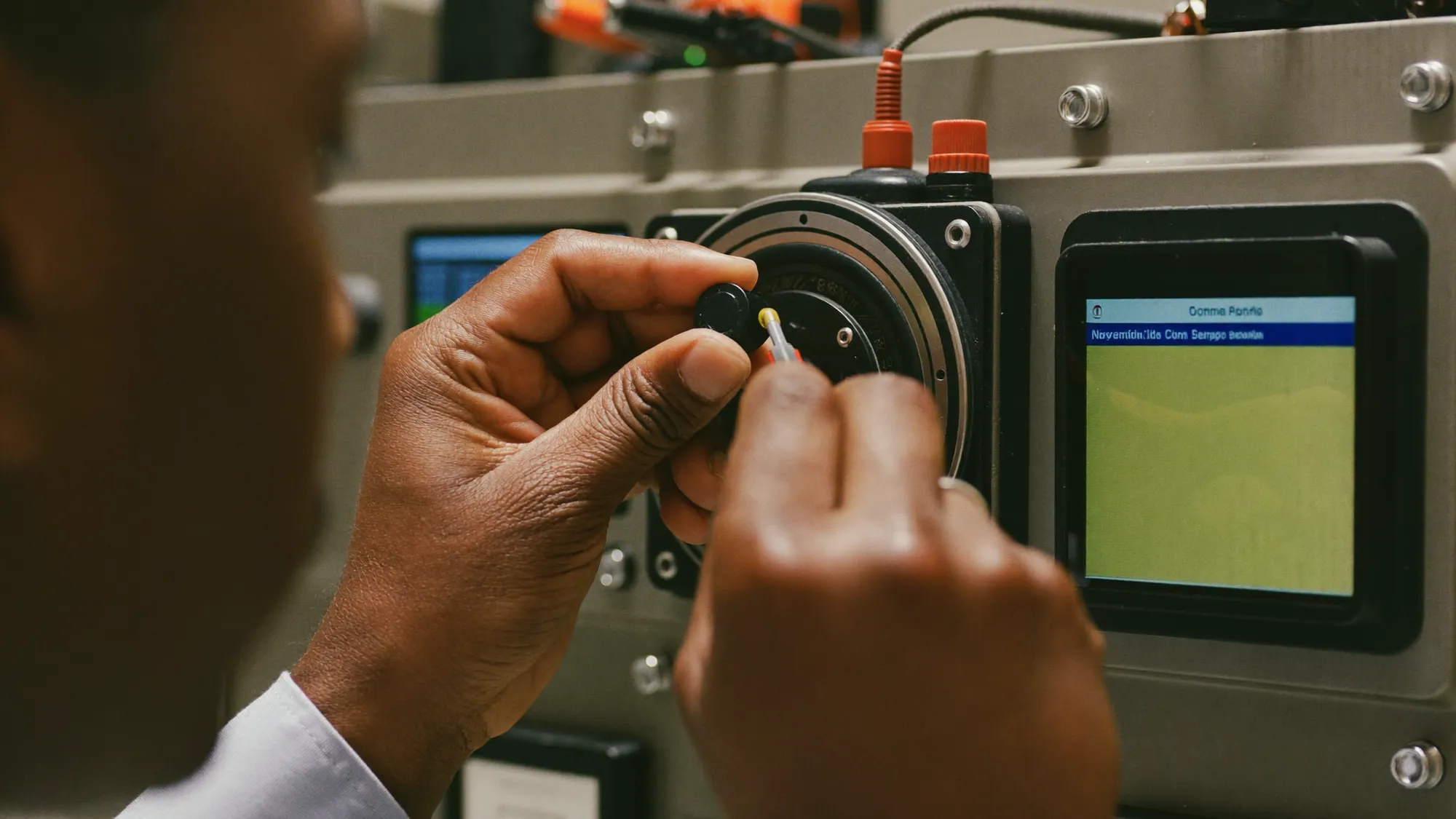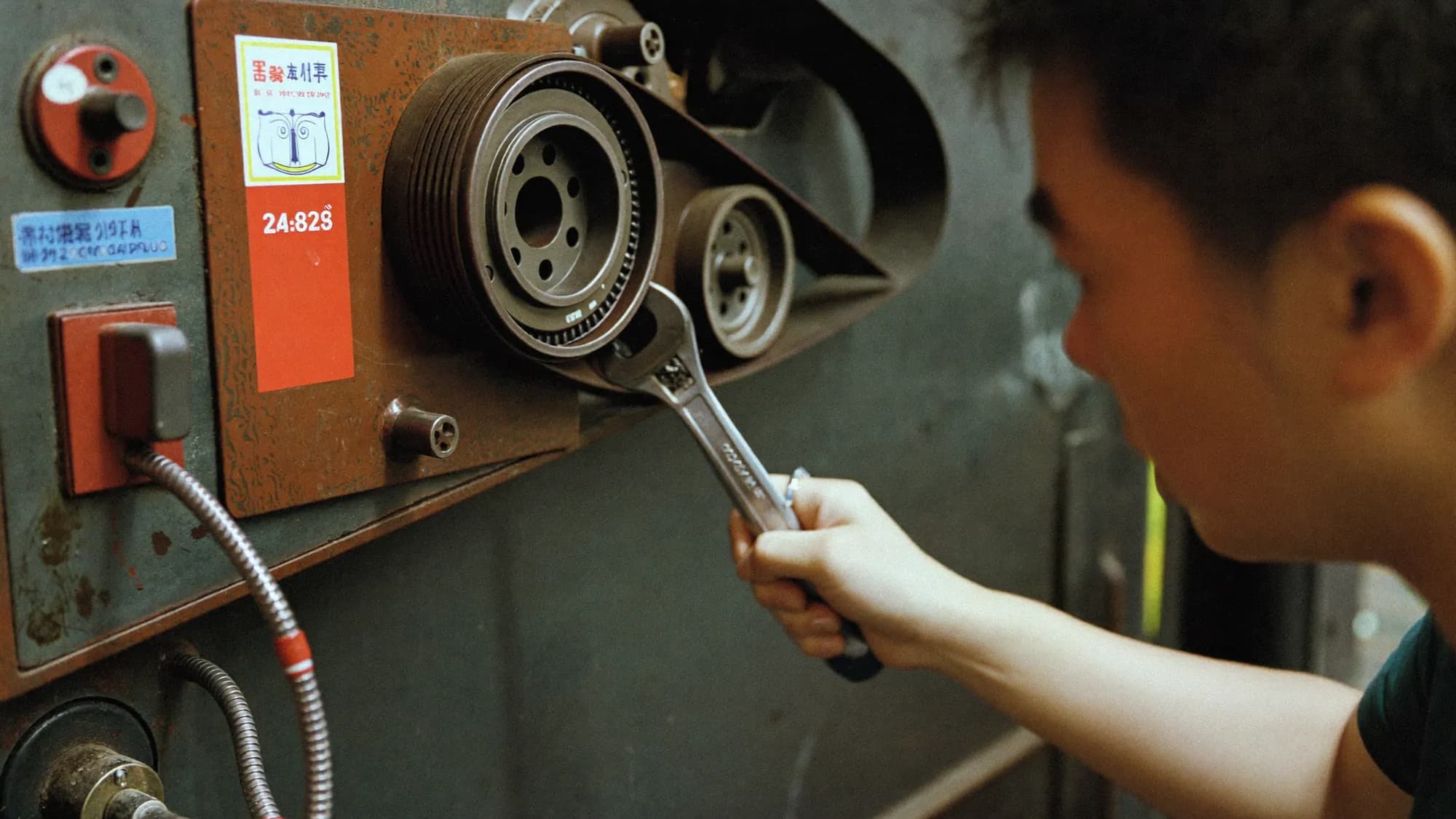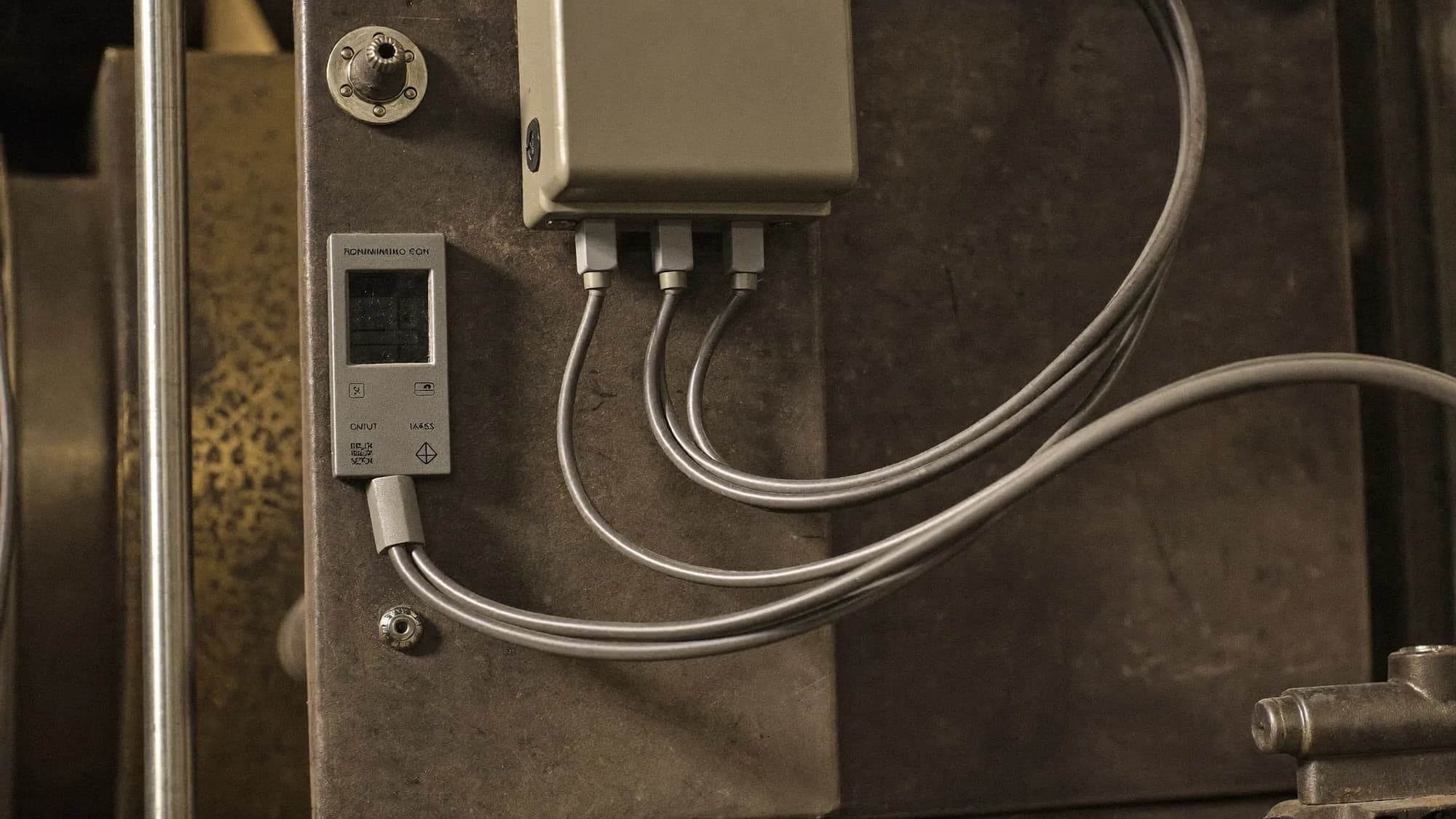

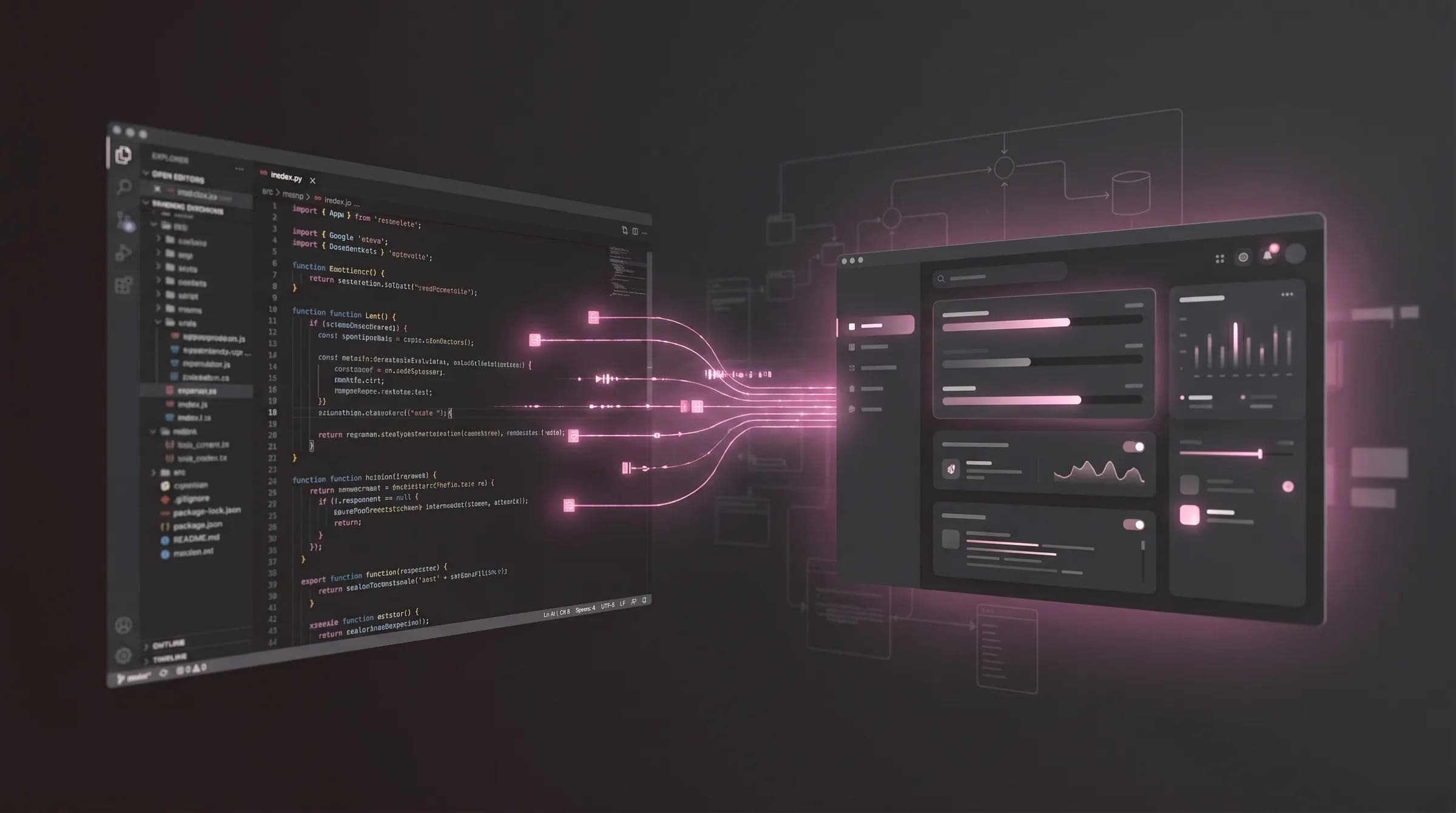



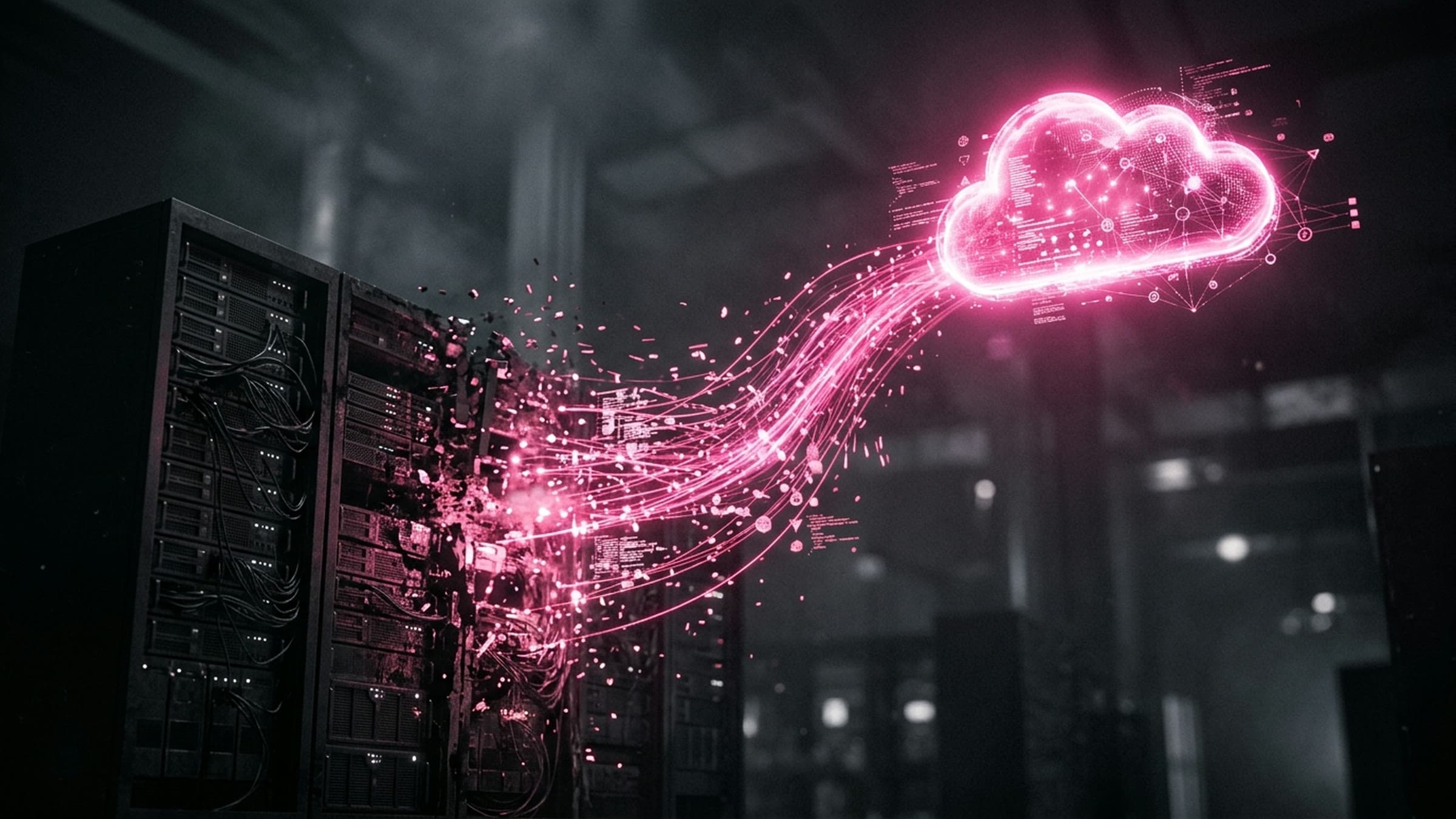
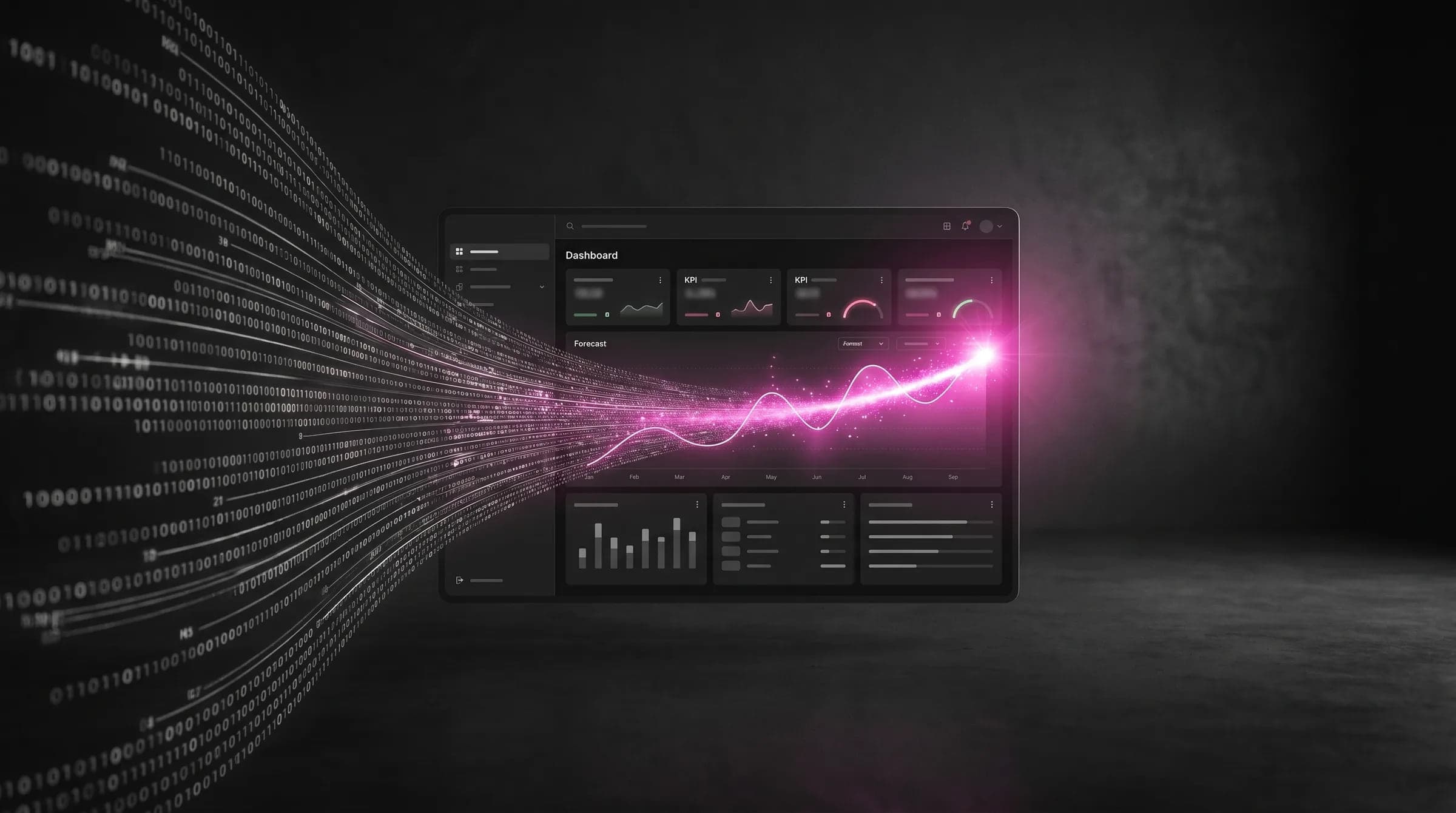
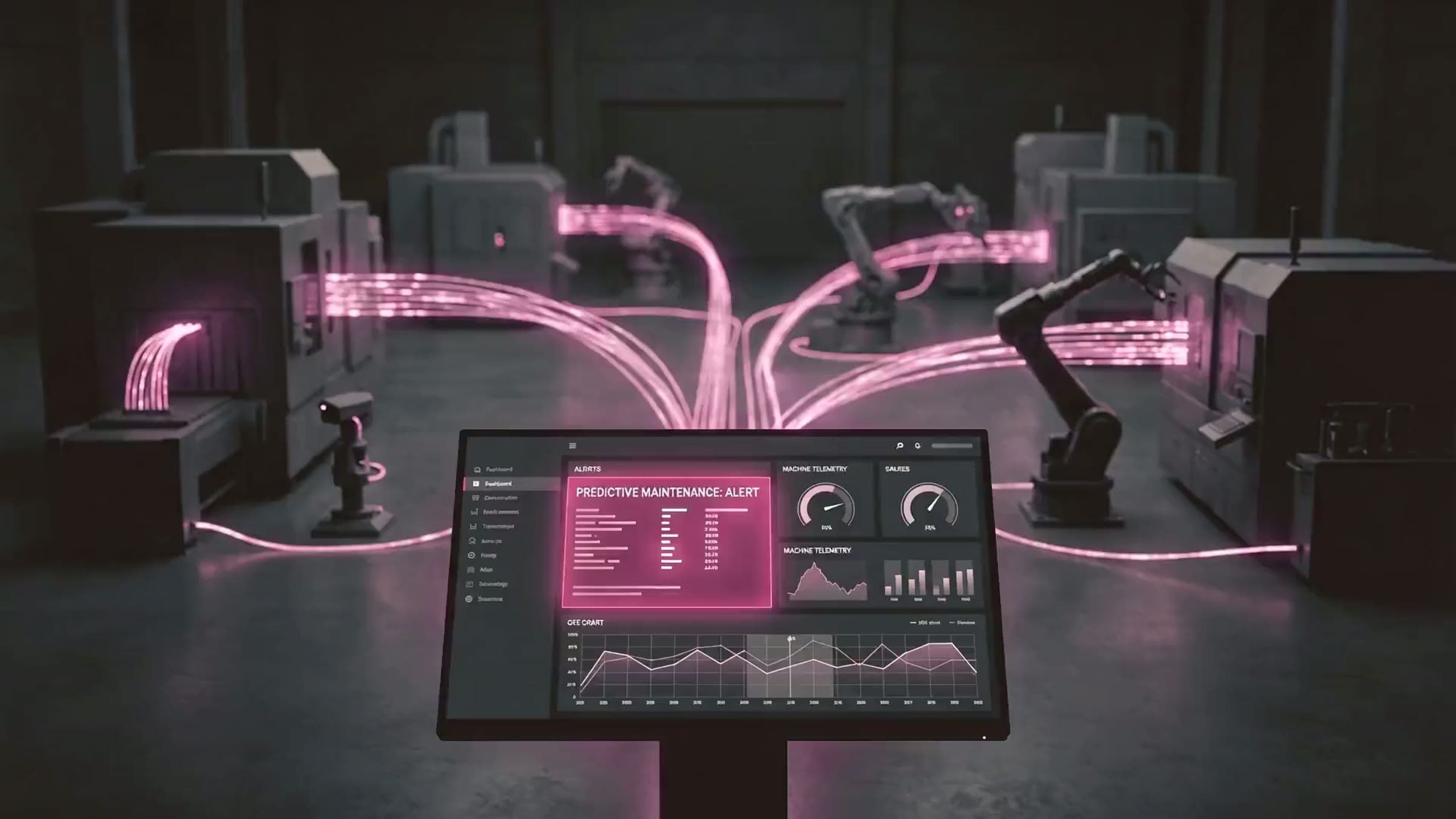



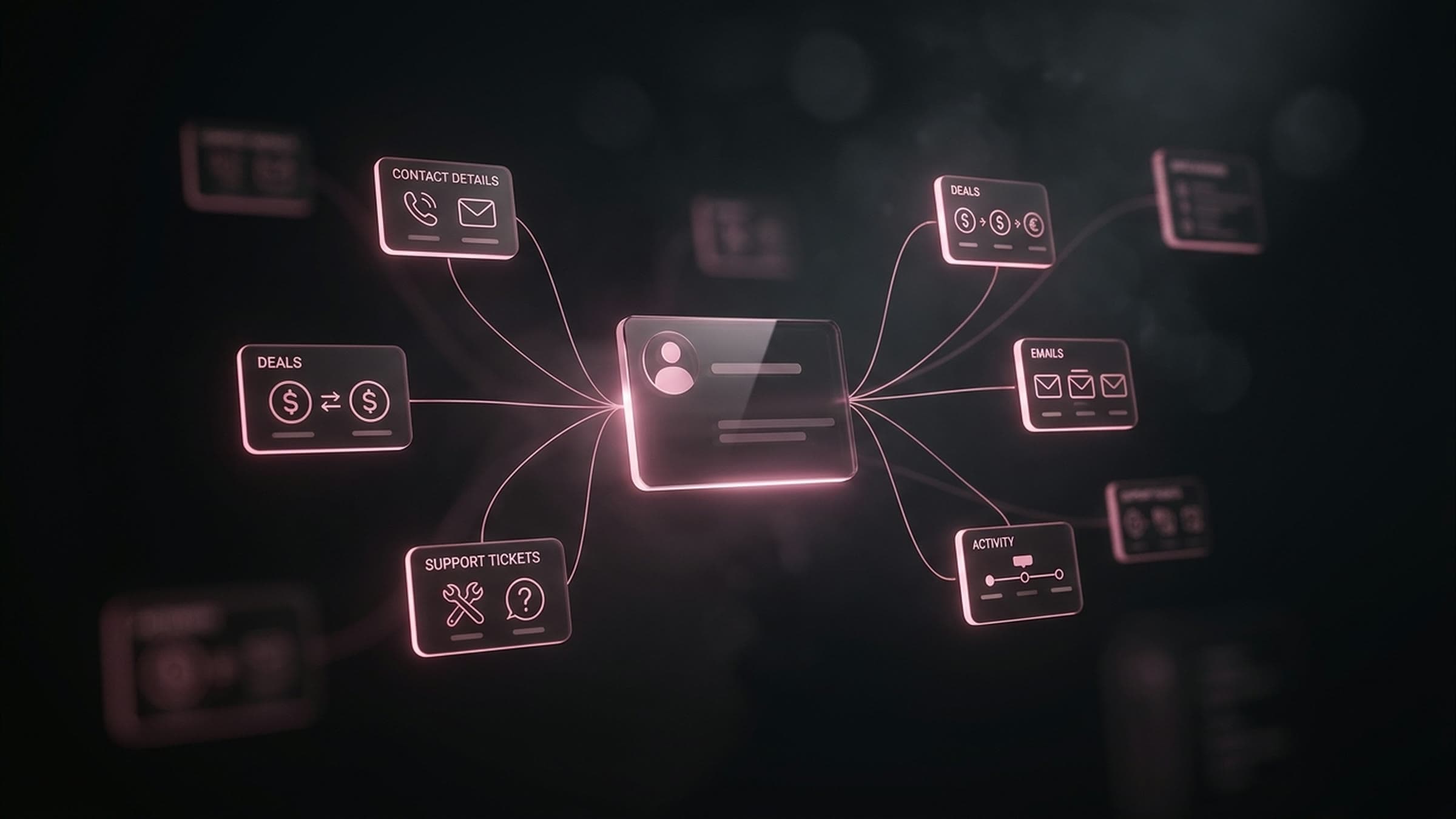




Industrial IoT (IIoT) connects your machines, sensors, PLCs, and historians to software that collects their data, monitors operations in real time, and predicts failures before they cause downtime. Unlike consumer IoT — smart speakers and wearables — IIoT runs the factory floor, energy grids, and logistics fleets, where an hour of downtime is measured in real money.
The shorthand is connect → monitor → predict: wire up your equipment, see what it's doing, then use that data to act before something breaks. That ladder — not the hardware — is where the value lives.
What is Industrial IoT?
IIoT is the application of Internet-of-Things technology to industrial operations: manufacturing, energy, utilities, logistics, and facilities. It's the software and integration layer that turns isolated machines into a connected, observable system you can run on data instead of gut feel.
Importantly, IIoT is not about buying more hardware. Most plants already have the sensors, PLCs, and controllers they need. The work is connecting that existing equipment, moving its data somewhere useful, and building the dashboards and AI on top — which is exactly what our industrial IoT service is built to do.
IIoT vs consumer IoT
The two share a name and almost nothing else. Consumer IoT optimizes for convenience and tolerates the occasional dropout. IIoT optimizes for uptime, safety, and reliability — because the cost of failure is operational, not just annoying.
Industrial IoT (IIoT)
- Environment: factory floor, grid, fleet
- Downtime is high-cost — lost production
- Mission-critical, deterministic, edge-first
- Data lands in ERP / MES / SCADA / historian
- Stakes are operational and safety
Consumer IoT
- Environment: home, pocket, wrist
- Downtime is a minor inconvenience
- Best-effort over Wi-Fi / Bluetooth
- Data lands in a phone app
- Stakes are personal privacy
The takeaway: IIoT borrows the idea of connected devices but rebuilds it for an environment where "it'll reconnect eventually" isn't acceptable.
The main industrial IoT applications
Most of the demand around IIoT, Industry 4.0, and the smart factory comes down to a handful of proven use cases:
- Predictive maintenance. Sensor data plus AI flags a bearing, motor, or pump that's trending toward failure — so you fix it on a planned stop, not a midnight breakdown.
- Smart-factory & OEE monitoring. Real-time visibility into availability, performance, and quality across every line.
- Asset & inventory tracking. Know where equipment, tools, and material are without manual counts.
- Energy & condition monitoring. Track consumption and machine health to cut waste and catch anomalies early.
- Quality analytics. Correlate process data with defects to find root causes faster.
Teams almost always start with one application on one line, prove the return, then scale. The projects that fail are the ones that try to boil the ocean — pilots that never scale and dashboards nobody opens.
Industrial IoT devices, platforms, and security
Three building blocks turn a connected line into a working IIoT system:
- Industrial IoT devices. Sensors, edge gateways, and PLCs are the eyes and ears of the floor. Most plants already own enough of them — the work is reading the right signals, not buying more boxes. Ruggedized hardware and an industrial IoT gateway bridge old protocols (Modbus, OPC-UA) to modern software.
- Industrial IoT platform. This is where device data lands, gets stored, and becomes dashboards and AI. A good industrial IoT platform is vendor-neutral and runs in your cloud (AWS IoT, Azure IoT, MQTT, Grafana, InfluxDB) so you're not renting a black box per device, forever.
- Industrial IoT security. Because IIoT touches operational technology — SCADA, PLCs, historians — a breach is a physical-safety problem, not just a data one. Industrial IoT security means OT/IT network segmentation, hardened edge devices, and least-privilege access from day one, not bolted on later.
Get these three right and the rest of the IIoT stack — monitoring, predictive maintenance, integration — has a solid foundation to stand on.
How much does an industrial IoT project cost?
There's no single sticker price, but the cost drivers are predictable. A scoped pilot on a single line or asset class typically lands in the low tens of thousands. A plant-wide platform with predictive maintenance and full ERP/MES/SCADA integration runs higher and is usually delivered in phases.
| Cost driver | What moves the number |
|---|---|
| Sensor / device count | More assets = more connectivity and data plumbing |
| Legacy connectivity | Old PLCs and proprietary protocols take more integration work |
| Analytics & AI layer | Dashboards are cheap; predictive ML models cost more |
| Integration | Wiring data into ERP, MES, SCADA, or a historian |
| Scope (pilot vs plant-wide) | One line is a fraction of a full rollout |
| Build location | US onshore vs nearshore changes the rate materially |
The single best way to control cost is to start small, ship a working pilot, and let measured ROI fund the next phase — rather than buying a giant platform upfront.
Why build IIoT with a nearshore team in Mexico
The IIoT market is crowded with hardware and platform vendors — Cisco, Honeywell, PTC, AWS. They sell you boxes and licenses. The harder, more valuable work is the software, integration, and analytics layer that ties it all together, vendor-neutral, with you owning the result.
That's the WeEvolveIT wedge. From our Monterrey HQ — in the heart of Mexico's manufacturing belt and on US business hours — senior engineers connect your existing machines, build the platform and dashboards you own, and layer AI predictive maintenance on your factory data. You get real-time collaboration, no black-box lock-in, and rates well below US onshore.
The bottom line
Industrial IoT is the software-and-integration layer that turns your existing machines into a connected system you can monitor and predict from — connect → monitor → predict. It's distinct from consumer IoT because the stakes are operational, not convenient. Start with one high-value application like predictive maintenance, prove the ROI, and scale. Build it vendor-neutral so you own your platform and data — and with a nearshore team in Mexico, you get all of that at a fraction of the onshore cost.